Features / Politics

Energy As Leverage: Sanctions, Russia, And the Reordering of Global Oil Markets

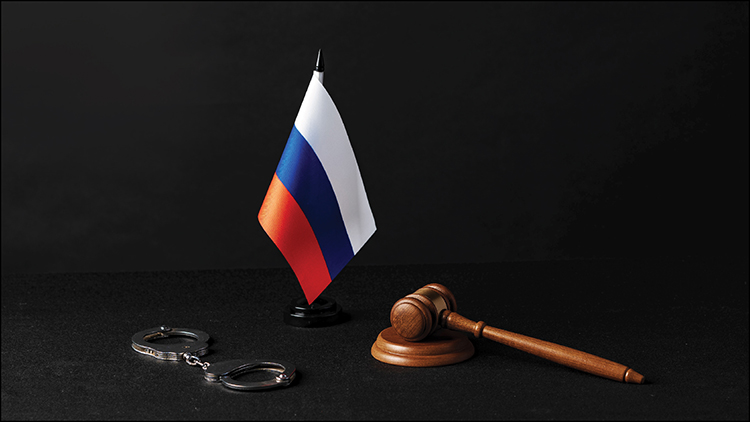
Today, global energy markets are shaped as much by politics as by geology. Russia, long established as one of the world’s largest suppliers of oil and gas, wields significant geopolitical leverage through its energy exports. Yet this influence is increasingly challenged by political instability and the mounting pressure of Western sanctions. Companies such as Lukoil and Rosneft, central to Russia’s energy sector, find themselves at the heart of this confrontation—caught between domestic ambitions and international restrictions.
Venezuela’s Oil Future: From Geopolitical Flashpoint to Market Transformation

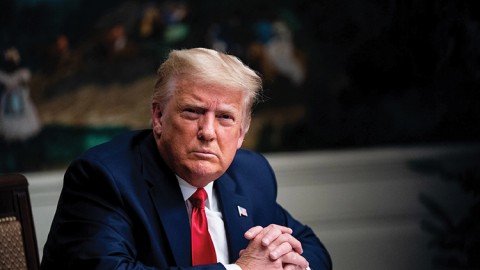
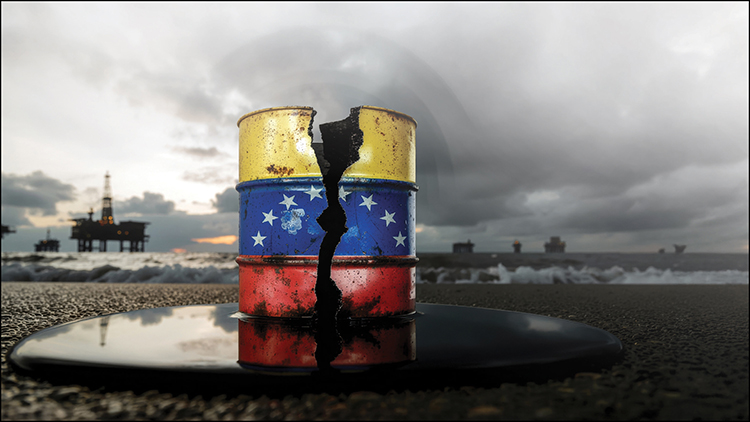
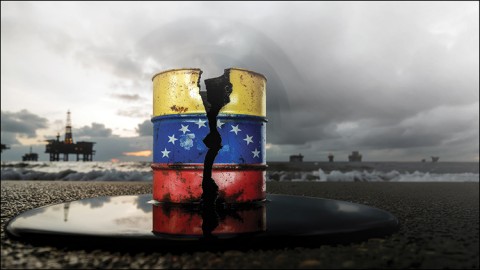
The dramatic capture of President Nicolás Maduro by U.S. forces on January 3, 2026, followed by the rapid seizure of national oil infrastructure, has ignited a fresh geopolitical flashpoint with profound implications for global energy. In the immediate aftermath, President Donald Trump announced plans via social media to acquire and sell between 30 and 50 million barrels of Venezuelan oil. This bold move directly targets the world’s largest proven reserves—totaling 303 billion barrels, or roughly 17% of the global supply.

Cronos and Zohr: The Political Economics of Eastern Mediterranean Gas

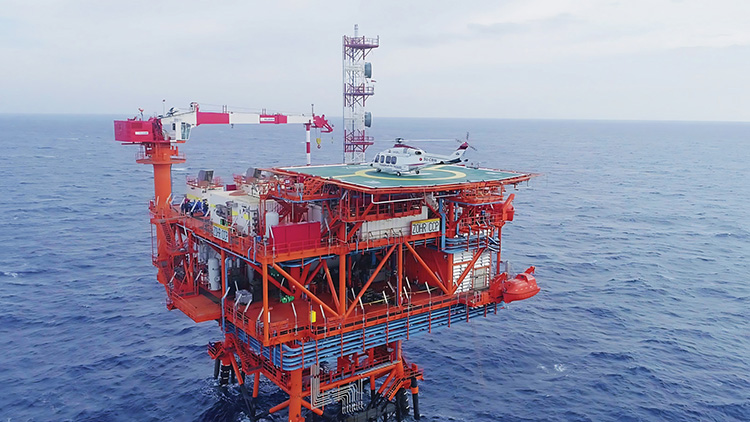
Two Mediterranean neighbors: Egypt and Cyprus are each holding very different cards in the energy game. Cyprus promises offshore gas discoveries, but finds a major hurdle in the way: how to bring that gas to the market without building an entire export system from scratch. Egypt, with a massive liquefied natural gas (LNG) infrastructure that once thrived on domestic output and still has capacity to spare, seems to be the answer.

Doha Strike Shakes Global Energy Assumptions

Israel’s September 9 military strike on Hamas leaders in Doha marked a shocking escalation of Middle East geopolitical conflict, threatening Qatar’s role as a diplomatic mediator and backbone of global energy security. The strike challenged Qatari sovereignty and the delicate balance of power in the region, especially following Israeli attacks on Iran. While immediate economic repercussions were contained, the strike introduces geopolitical risk that forces regional players, including Egypt, to critically re-evaluate their long-term energy strategies and security alliances.

Between Reform and Resilience: Egypt’s Petrochemical Gamble

Since 2016, and as a part of the IMF-backed reform program, Egypt opted to reducing fuel subsidies, driving up energy prices and reshaping not only household spending but also the costs incurred by key industries—most notably petrochemicals, one of the country’s most strategic and fastest-growing sectors.

Gas at a Crossroads: Politics and Transition Shape the East Med’s Future

The European Union’s efforts to decouple from Russian gas in response to the war in Ukraine initially positioned the Eastern Mediterranean as a key alternative supplier. Before the war, Russia supplied over 40% of the EU’s natural gas, primarily through pipelines via Ukraine and Nord Stream. After the war began in 2022, Russian pipeline imports plummeted—falling to around 11% by 2024—due to sanctions and escalating geopolitical tensions.

Critical Minerals: A Political Race for Supply Chain Dominance

In a geopolitical landscape increasingly shaped not by oil rigs but by lithium pits and cobalt mines, the 2025 U.S–Ukraine minerals agreement signals more than just a bilateral investment deal—it marks a deliberate challenge to China’s monopolistic grip on the world’s critical mineral supply chain. As the world transitions toward clean energy, digital infrastructure, and electric mobility, the control of these minerals—lithium, cobalt, rare earths, graphite, and titanium—has become a defining lever of global power.

Oil, Power, and Strategy: Analysing the Motives and Impact of OPEC+’s Output Hike

In a move with far-reaching implications, OPEC+ has announced a major boost in oil production—an action that extends well beyond the realm of commodity markets. This article explores how the decision is not merely a matter of output volumes, but a strategic play involving power, politics, and influence in a world marked by growing geopolitical fragmentation.

Trump’s Tariffs: A Terrifying Roller Coaster Ride with Oil, Gas Markets Remaining Strong

Playing politics with oil and gas is nothing new in the global arena, but the recently inaugurated US President Donald Trump has taken this to a new level, signing a slew of earthshaking executive orders that have turned America upside down, stimulating everything landsliding government opposition to widespread federal layoffs.

Beyond The Regime Change: Syria’s Political and Economic Crossroads

The fall of Bashar al-Assad’s regime in Syria has ushered in a new era fraught with political, economic, and social challenges. The transition has reshaped the regional power dynamics and brought to the forefront critical questions surrounding governance, security, and the country’s reconstruction.

Page 1 of 9

Login

Welcome! Login in to your account

Remember me Lost your password?

Lost Password