Features / Overview

Building on COP27 Success: COP28 Continues Global Efforts to Curb Methane Emissions

The UN Climate Summit (COP27) has paved the way for the hydrocarbon industries to be part of the climate action talks in COP 28. The COP 27 Decarbonization Day was focused on implementing the Global Methane Pledge, a voluntary agreement to reduce global methane emissions by at least 30% from 2020 levels by 2030.

Egypt’s Energy Infrastructure: A Cornerstone for Regional Energy Trading Dominance

Egypt's robust oil and gas infrastructure aligns with its ambition to establish itself as a regional energy trading hub. The country's strategic location and substantial resources position it as a promising candidate for this role. This well-developed infrastructure facilitates the export and import of oil and gas, enabling Egypt to participate actively in hydrocarbon trade while serving as a crucial energy transit nation.

Energy Security and Sustainability: Egypt’s Quest for Diversification

The Egyptian energy sector has been dominated by fossil fuels, with goals to increase the share of new and renewable energy over the coming decades. Egypt has initiated a strategy to increase the use of renewable energy while decarbonizing its hydrocarbon sources as it is an indispensable energy source. This comes as oil and gas are expected to be among the main players in the Egyptian energy mix for decades. Achieving energy security also depends on diversifying the energy mix, especially since Egypt has great potential from different energy sources, as mentioned by Minister of Petroleum and Mineral Resources, Tarek El Molla, in October.

Egypt: A Land of Opportunity for Energy Investors

Egypt is a hub for energy trading and investments, with potential and opportunities in different energy sectors. The Egyptian government is cognizant of the need for a sustainable energy mix to both address increasing demand and to move to a more environmentally-sustainable and diverse electricity sector. Not only in terms of its rich oil and gas resources, but the country also has an abundance of land, sunny weather, and high wind speeds, making it a prime location for renewable energy projects. Egypt is further working on developing several hydrogen projects to secure a sustainable energy mix.

Changing The Game: EMGF Spearheading Decarbonization Efforts in The East Mediterranean Region

The EMGF will continue to play a critical role in leading the future sustainability efforts for the East Mediterranean market and the only way anything significant can be accomplished is through combining the efforts and resources many countries have together.

A Modernized Refining, Petrochemical Approach

Energy management and sustainability should be present in every feature of the downstream sector in order to have a healthy economy and environmental-friendly downstream business. The Egyptian oil and gas sector has already placed decarbonization at the heart of its operations, including the downstream operation. This is reflected in refineries, transportation, and warehouses.

Green Hydrogen Strategy: Boosting Private Sector Contribution to Green Energy

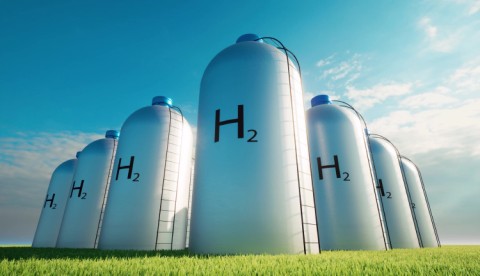
The world is currently focused on reducing carbon emissions in generating energy and using it to face climate change. Accordingly, Egypt is keen to expand the production and usage of green hydrogen as a clean energy source. The country has been signing contracts and adapting several initiatives to promote Green Hydrogen and prepare for its Green Hydrogen Strategy.

Egypt’s Mining Sector: Towards Strategic Transformation

Egypt has a promising mining potential with several mineral ores, including phosphate, limestone, coal, ornamental stones, dolomite, white sands, and quartz. The Egyptian mining territory consists of phanerozoic sediments formed during Cambrian Period and crystalline basement rocks formed since the Precambrian period. Around 89% of the country’s Precambrian Arabian-Nubian Shield area has not been tendered for at least the last 20 years. Accordingly, the Ministry of Petroleum and Mineral Resources (MoPMR) has adopted a strategic plan to enhance the sector's contribution to the Egyptian economy.

World Natural Gas: The Convenient, Timely Fossil Fuel

As Egypt moves towards a greener future, the country looks at natural gas as a convenient green energy source at the time being. Natural gas is not only a cheaper source of energy, but it is also one of the main types of fossil fuels with less carbon emissions. Therefore, the Egyptian government is working on encouraging the use of natural gas, while rationalizing energy consumption to provide the European Union (EU) with natural gas as well.

Human Capital Development Leads Oil, Gas Sector to Astonishing Milestones

The Egyptian Ministry of Petroleum and Mineral Resources (MoPMR) has been keen to develop the capabilities of its human resources. Through the Modernization program’s 3rd pillar, the Ministry has been working on developing talents and preparing them to be the future leaders. Whether through its Middle Management program, or the Young Professional program, the Ministry has trained human cadres to lead a promising oil and gas future.

Page 4 of 14

Login

Welcome! Login in to your account

Remember me Lost your password?

Lost Password