Features / Overview

Transforming Egypt’s Energy Landscape: El Molla’s Legacy

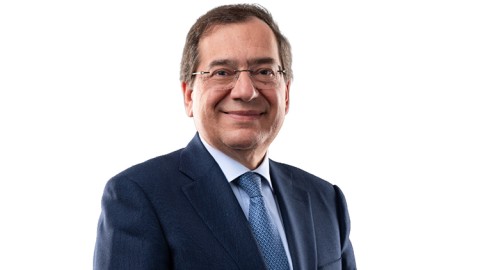
Tarek El Molla, a seasoned leader in the Egyptian oil and gas industry, has served as the country's Minister of Petroleum and Mineral Resources for nearly a decade. During his tenure, El Molla has overseen significant achievements in the oil, gas, and mineral resources sectors, positioning Egypt for a bright future in energy development.

Egypt’s Downstream Industry: Powering Progress

Egypt's downstream industry, encompassing refining, and petrochemical plants, plays a critical role in the nation's economic development. This sector has the potential for increased refining capacity and product diversification. By understanding the current landscape and future aspirations, we can gain valuable insights into the role this vital industry will play in shaping Egypt's economic future.

Harnessing Hydrogen: Egypt’s Journey Towards a Sustainable Energy Future

The world is on a quest for cleaner energy solutions, and hydrogen is emerging as a frontrunner.  Egypt, with its abundant sunshine and wind resources, is poised to become a major player in the hydrogen economy. However, integrating hydrogen into the energy system presents challenges, particularly when it comes to cost.  By understanding these opportunities and hurdles, Egypt can gain a clear picture of the potential role hydrogen can play in shaping a more sustainable future for Egypt.

Bridging The Gap: How MoPMR Is Upskilling for The Future

For years, the Egyptian oil and gas industry has grappled with a significant challenge: the skills gap. This arises when the expertise of the current workforce fails to align with the evolving demands of the industry, often due to factors such as an aging workforce and rapid technological advancements. Nevertheless, Egypt's oil and gas sector has made significant strides, actively engaging in ongoing training and development initiatives while also exploring strategies to attract and retain the next generation of talent.

Strategic Location, Advanced Infrastructure: Positioning Egypt as Energy Hub

Egypt is strategically positioning itself as a regional energy hub by focusing on various initiatives in the energy sector, including liquified natural gas (LNG) exports, Suez Canal expansion, and investments in renewable energy. Accordingly, Egypt is addressing several paths that underscore its commitment to sustainable energy practices, energy security, and its aspiration to become a pivotal player in the regional and global energy landscape.

Women Empowerment in Egypt’s Energy Transition: Progress and Challenges

Globally, women account for only 16% of the global energy sector workforce, while men make up the remaining 84%. In the renewable energy sector, women's representation is slightly higher, at around 32% of the workforce, according to the International Renewable Energy Agency (IRENA). In Egypt, women's representation in the energy sector is a focus of attention, particularly in the context of the country's transition to a green economy. However, women represent only 22% of work force in the oil and gas sector, and 32% of workforce in the renewable energy sector, according to AlMarsad AlMasry.

Egypt Walks the Path towards Sustainable Energy

The current energy landscape in Egypt is undergoing a significant transformation, with a growing focus on driving energy transition, ensuring energy security, and decarbonization. The Egypt Energy Show (EGYPES 2024) is a key event that highlights these priorities. Egypt is positioning itself as a regional energy hub, with a focus on climate-conscious strategies, including decarbonization and methane reduction. This comes as the Ministry of Petroleum and Mineral Resources (MoPMR) is working on diversifying energy sources and achieving sustainable development.

Building on COP27 Success: COP28 Continues Global Efforts to Curb Methane Emissions

The UN Climate Summit (COP27) has paved the way for the hydrocarbon industries to be part of the climate action talks in COP 28. The COP 27 Decarbonization Day was focused on implementing the Global Methane Pledge, a voluntary agreement to reduce global methane emissions by at least 30% from 2020 levels by 2030.

Egypt’s Energy Infrastructure: A Cornerstone for Regional Energy Trading Dominance

Egypt's robust oil and gas infrastructure aligns with its ambition to establish itself as a regional energy trading hub. The country's strategic location and substantial resources position it as a promising candidate for this role. This well-developed infrastructure facilitates the export and import of oil and gas, enabling Egypt to participate actively in hydrocarbon trade while serving as a crucial energy transit nation.

Energy Security and Sustainability: Egypt’s Quest for Diversification

The Egyptian energy sector has been dominated by fossil fuels, with goals to increase the share of new and renewable energy over the coming decades. Egypt has initiated a strategy to increase the use of renewable energy while decarbonizing its hydrocarbon sources as it is an indispensable energy source. This comes as oil and gas are expected to be among the main players in the Egyptian energy mix for decades. Achieving energy security also depends on diversifying the energy mix, especially since Egypt has great potential from different energy sources, as mentioned by Minister of Petroleum and Mineral Resources, Tarek El Molla, in October.

Page 3 of 14

Login

Welcome! Login in to your account

Remember me Lost your password?

Lost Password