

Features / Overview

The Fueling Effect of Natural Gas in Egypt’s Electricity Sector

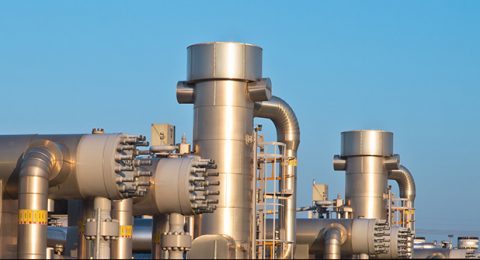
Natural gas was the most recently discovered source of fossil fuel in Egypt, and it was left up to the discretion of the government to direct it towards the channels that would best serve the country. Due to the almost non-existent conversion costs, the government chose to use natural gas in power stations.

Egypt’s Refineries: A COMPLETE PICTURE

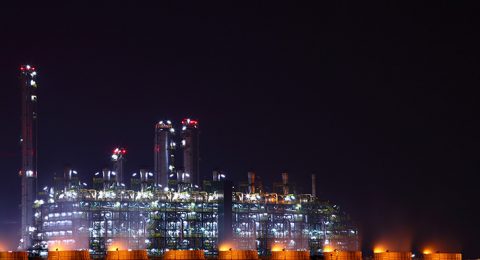
In Egypt, nine out of ten oil refineries are run by the state. This setup meant that investments in oil refineries never measured up to crude oil extraction investments, which had always relied on international firms such as Apache and BP.

The Dilemma of Implementing Fuel Smart Cards

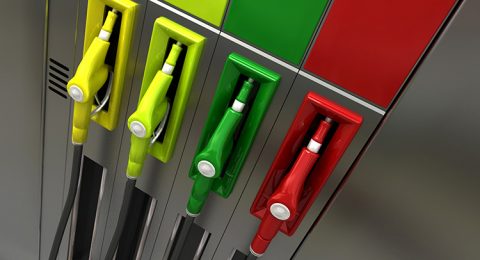
The signalization of fuel smart cards has been ongoing in Egypt since 2013. Although the project raised an important flag of combat against fuel smuggling and corruption in the system, it has remained on papers without significant progress.

GCC’s Oil Giants’ Struggle between CRUDE SLUMP AND RENEWABLE PATH

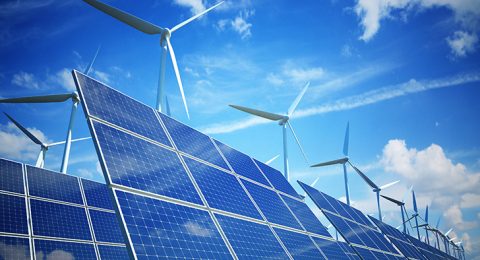
In the last decades, generating energy from renewable resources might have been seen as a luxury, however, within the volatility in oil prices, increasing energy consumption, and climate change, shifting to a more sustainable source of energy has become a matter of global survival.

Understanding Bahrain’s Oil Dilemma

With the fluctuations of global oil prices; the kingdom of Bahrain is trying to make its way out of an economic drop. Although the Bahraini kingdom is working on diversifying its economy from oil and gas since 1990, the kingdom’s deficit is still affected by the changes in the global oil and gas markets. Hence, with the stumbling oil prices, the kingdom had to take a number of measures including the increase of its fuel prices, in 2016.

FARM-OUTS: A New Business MODEL?

The last tumultuous years in the global oil industry have unleashed the power of creativity performed through smaller and mid-size independents. This wave of alternative approaches is likely to continue.

UNCONVENTIONAL OILS A New Frontier for Energy Security

Global population has grown to an estimated 7.4 billion, with the majority of people scattered across Asia, followed in the distance by Africa. Accordingly, the world consumes millions of barrels of oil to fuel our daily lives and drive economic growth needed to sustain ever growing societies. In 2016, the International Energy Agency’s Oil Market Report estimated that worldwide demand of oil would reach an average of nearly 96mb/d. It was only natural that economies would look beyond the conventional for additional sources of hydrocarbons.

RATIONALE BEHIND OIL&GAS SECTOR IMPROVEMENTS

By Nataša Kubíková Setting a clear strategy and a realistic direction for future modernization of the Egyptian oil and gas industry.

BRIDGING THE GAP: Oil & Gas Industry Tackles Skills Shortage

By Shaden Esam Al-Dine Human capital is a vital component in determining socio-economic development in any country. Enhancing human capacities within any business is, therefore, crucial. This is particularly true of the energy sectors in the Middle East where oil and gas are the key to sustaining economic growth and bettering the general standard of living.

BETTER TOGETHER: Joint Ventures in Oil and Gas

When the first joint venture was formed in Egypt in 1911, the oil and gas industry was in its infancy. Anglo-Egyptian Oilfields Company was a marriage of two private companies: Royal Dutch Shell and British Petroleum (BP). The company went on to be the major player in the industry for over fifty years, until it was nationalized in 1964 as the Egyptian General Petroleum Corporation (EGPC). As the oil and gas industry has expanded and shifted in the years since, joint ventures have played a significant role.

Page 12 of 14

Login

Welcome! Login in to your account

Remember me Lost your password?

Lost Password