

Features / Overview

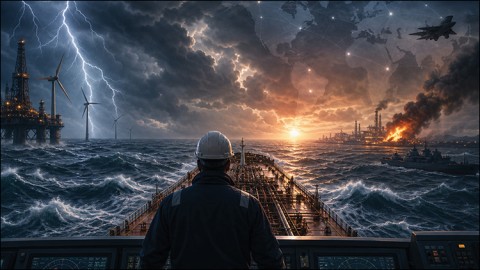
Navigating Energy Storms Amid Geopolitical Unrest

In an age of rising global uncertainties, energy security has become a critical challenge for governments and economies alike. As one of the largest energy importers in the Middle East, Egypt is also an emerging hub for regional gas exports. Recent shocks, from the COVID‑19 pandemic and Russia’s invasion of Ukraine to the ongoing US-Iran war and the closure of the Strait of Hormuz, have underscored the fragility of global supply chains. Against this backdrop, Egypt has adopted a layered strategy: contingency planning and petroleum stockpiling to hedge against crises. This pragmatic balancing act positions Egypt to weather immediate disruptions while laying the foundation for a resilient energy future.

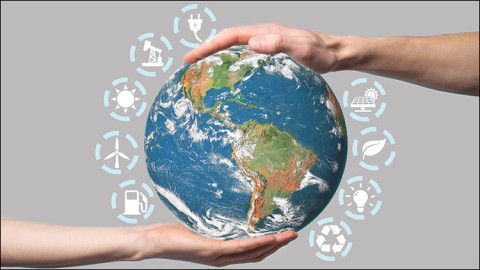
Energy Realism in A Divided World: Addition, Not Substitution

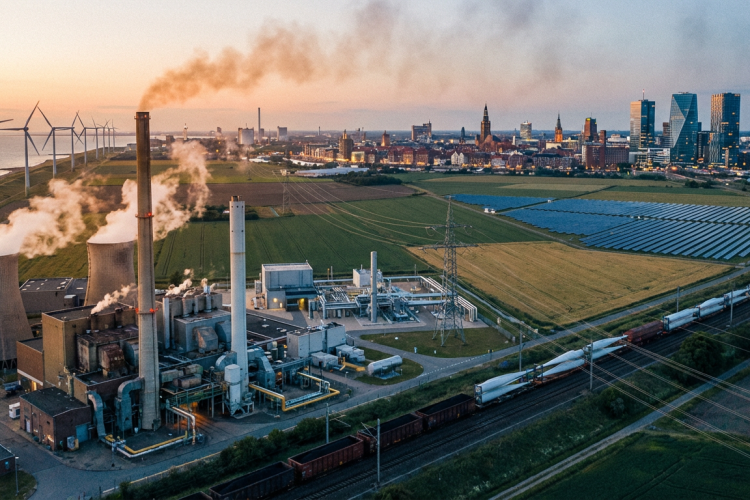
The global energy landscape is changing because of electrification, industrial growth, and the urgent need to deal with climate change. But this change isn’t happening in the same way everywhere. While demand for all types of fuels is still rising in emerging markets, it is contracting in advanced economies. Mature economies have shifted from heavy industry to services, which consume far less energy, while efficiency gains in buildings, transport, and manufacturing have steadily reduced consumption intensity. Slower population growth and aging demographics limit household demand, and strong commitments to decarbonization have accelerated the move away from fossil fuels.

Energy Realism: From Transition to Addition

The idea of transition, as a simple linear shift from fossil fuels to renewables, dominated the global energy debate for many years. However, reality has turned out to be more complicated. Egypt and other nations serve as examples of how energy transformation is a balancing act between economic necessity and climate ambition rather than a straight line.

Egypt’s Energy Realism: Balancing Transition and Stability

For more than a decade, the global energy conversation, as well as Egypt’s, was framed around a single powerful word: transition. The idea was straightforward; fossil fuels would be replaced by renewables in a linear march toward decarbonization. Oil, gas, and coal would gradually fade as wind, solar, hydrogen, and batteries scaled up. Today, that narrative is evolving. Many developing countries including Egypt are scaling renewables while maintaining or expanding gas infrastructure. Energy realism recognizes that climate goals must be balanced with development needs.

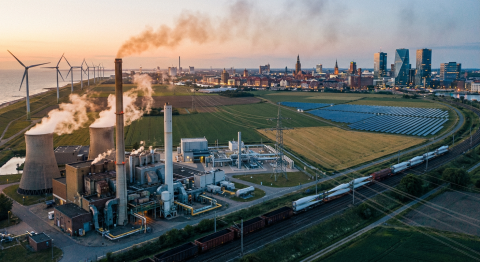
Egypt’s Gas Security in 2025: A Year of Strategic Rebalancing

Egypt’s natural gas sector spent 2025 performing a delicate balancing act between mounting domestic pressures and regional opportunity. Through a mix of emergency import strategies and long-term agreements, the government managed to stabilize supply during the critical summer months while reshaping Egypt’s future role as an Eastern Mediterranean gas hub, according to the U.S. Energy Information Administration (eia). In 2025, the focus shifted from managing emergencies to actively transforming energy security under tight constraints.

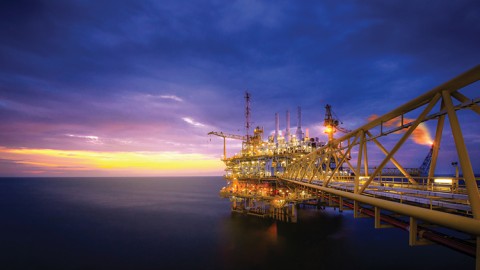
Egypt’s Energy Pivot: Upstream Growth in the Mediterranean and Nile Delta

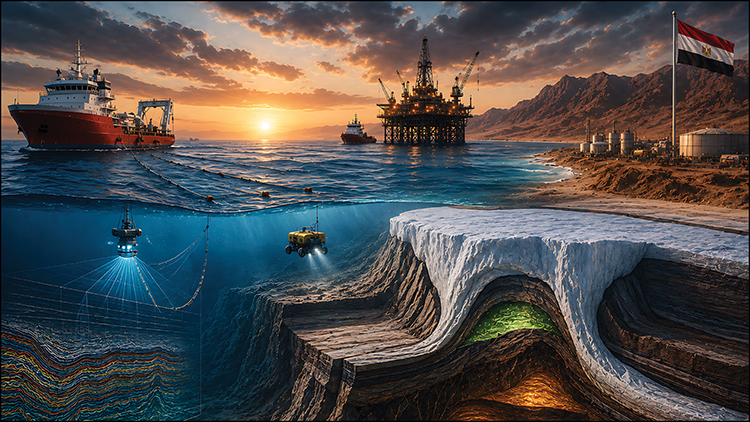
Egypt is embarking on a defining new chapter in its energy sector, placing the vast, gas-rich potential of the Mediterranean Sea and Nile Delta at the forefront of a national upstream revitalization. The government's recently unveiled five-year exploration master plan will channel $5.7 billion in investments to drill 480 new wells by 2030, a strategic pivot designed to reverse production declines and cement Egypt's status as a premier regional energy hub. While the plan spans Egypt’s key hydrocarbon provinces, its center of gravity lies in the deep waters and complex geologies of the Mediterranean and Delta, regions that hold the key to the country's next wave of energy security and export growth.

From Resources to Resilience: Egypt’s Energy Transformation Story

At the crossroads of continents, where trade routes meet and civilizations have risen for thousands of years, Egypt stands at the heart of a global transformation, a powerhouse shaping the future of energy. This is the story of a sector rising with purpose, a nation transforming its resources into momentum, and a region finding in Egypt not just a partner but a gateway.

Western Desert’s Next ACT: Oil-Rich, Gas-Driven, Tech-Powered

Spanning nearly two-thirds of Egypt’s landmass, the Western Desert remains one of the country’s most productive and technically challenging hydrocarbon provinces. Once defined mainly by oil production, the region has steadily evolved into a key source of natural gas and a testing ground for advanced exploration and recovery technologies. In 2025, a new wave of discoveries, reinvestment, and contract renewals is reaffirming the basin’s strategic importance to Egypt’s energy future.

Egypt’s Petrochemical Push: A New Era of Industrial Growth

Egypt is actively reshaping its petrochemical industry into a high-value, globally competitive manufacturing hub. This transformation is guided by the National Petrochemical Plan, a strategic blueprint designed to localize production, diversify the economy, reduce dependence on imports, and significantly boost exports. At its core, the plan is driven by the goal to utilize  Egypt’s abundant natural gas and oil reserves, turning it to  value-added products.

Gas Supply Challenges: Egypt’s Path to Energy Stability

Egypt, once a net exporter of natural gas, is now grappling with a significant energy challenge caused by natural gas shortage. This situation has put immense pressure on the nation's electricity grid, particularly during the peak summer months when demand for air conditioning soars. To address this critical issue and ensure a stable power supply for its citizens and industrial sector, the Egyptian government is pursuing a multi-faceted strategy.

Page 1 of 15

Login

Welcome! Login in to your account

Remember me Lost your password?

Lost Password