



Radical Collaboration: AI and Open Source Powers Egypt’s Energy Shift
AI-powered, open-source systems pave the way to radically eliminate global emissions, writes Nayef Bou Chaaya, VP, Middle East & Africa at AVEVA

AI-powered, open-source systems pave the way to radically eliminate global emissions, writes Nayef Bou Chaaya, VP, Middle East & Africa at AVEVA
Nuclear energy is one of the most powerful forms of energy available today. It is derived from nuclear reactions primarily fission, where the nucleus of an atom splits into two or more smaller nuclei, releasing a significant amount of energy. This energy can be harnessed for various applications, most notably electricity generation, but also in medicine and scientific research fields. As global demand for energy grows hand in hand with the urgent need to combat climate change nuclear energy gains renewed attention as a reliable alternative to fossil fuels.

In recent decades, the global push to combat climate change has led governments, corporations, and international bodies to implement stringent carbon emission laws. These regulations, designed to reduce greenhouse gas emissions and mitigate global warming, have had profound ripple effects across industries, none more so than the global energy markets. As nations strive to meet ambitious targets, such as those outlined in The Paris Agreement, the interplay between carbon laws and energy production, pricing, and innovation has reshaped the economic landscape. This article examines how carbon emission laws influence energy markets worldwide, exploring their impact on fossil fuels, renewable energy adoption, market dynamics, and geopolitical relationships.

The Middle East, with its vast oil reserves, is an economic powerhouse with a significant influence on global energy markets. The legal frameworks governing the oil sector in the region are both complex and crucial in shaping the future of oil extraction and distribution. From state control of resources to territorial disputes, environmental regulations, and international law, the legal landscape of oil in the Middle East has far-reaching implications, not only for the region but for the world.

Current political events are greatly impacting the oil industry with the escalation of the conflict in Gaza led to a rise in oil prices, notable the price of Brent crude increasing by approximately 10%. Fears of supply disruption due to regional tensions, especially if Iran intervenes, are worrying markets. The continuation of the Russian-Ukrainian war further complicates the situation and will have widespread legislative implications, requiring major countries to take measures to deal with the supply shortage. These dynamics are putting pressure on prices and affecting global economic stability.

As a senior professional in Egypt’s petroleum sector, particularly within the exploration and agreements domain, I give much attention to how global and regional dynamics as well as legal policies shape our industry. Today, as we approach 2025, Egypt's energy sector stands at a critical juncture, shaped by fluctuating markets, shifting geopolitics, and evolving policies. These influences ripple through every side of the industry, from investment decisions to energy pricing, creating both opportunities and challenges for a huge country like Egypt, which aspires to meet its energy needs and solidify its position as a regional energy hub.
The world is embarking on a massive revolution to transform petroleum into final products that people need in their daily lives instead of burning it as fuel for cars. Plastic is one of the popular petroleum industries that is growing at lightning speed. The only obstacle to its growth is plastic waste, which threatens the existence of wildlife in the oceans. Therefore, recycling plastic and finding a technology to get rid of its waste (by making it biodegradable) are necessary to solve the waste problem. Then the giant genie (plastic) will emerge from its bottle and enter as a material in the manufacture of various final products, invading the markets, streets, and homes of consumers all over the globe.

On August 15th 2024, Egypt embarked on a transformative journey by launching its National Low Carbon Hydrogen Strategy, a comprehensive blueprint aimed at positioning the country as a leader in the global hydrogen economy. This strategy, targeting up to 8% of the tradable hydrogen market by 2040, is not merely a technical or industrial initiative but a policy-driven endeavor. It is deeply rooted in establishing robust legal frameworks, progressive policies, and attractive incentives—elements crucial for fostering investment, driving innovation, and ensuring successful implementation.
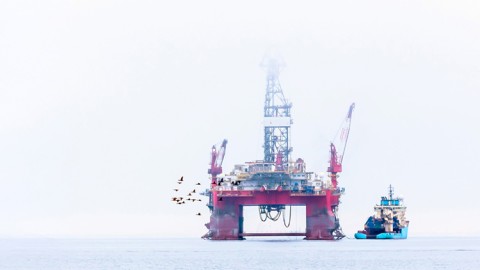
Egypt’s gas output has fallen steeply since 2022. Declining production at its key Zohr field and legacy Nile Delta fields, compounded by a challenging macro-economic climate and limited exploration success, has turned the country to a net gas importer again. LNG exports, a great source of US dollars as recently as 2022, have become scarce. To meet domestic demand, Egypt has increased gas imports – both piped imports from Israel and LNG imports on the spot market.

Coal, once a dominant energy source, is making a surprising resurgence. Despite its well-documented environmental and health hazards, the global energy crisis has led to a renewed interest in this polluting fossil fuel. As countries grapple with rising energy costs and supply chain disruptions, coal is being seen as a short-term solution to meet immediate energy demands. However, this reliance on coal threatens to undermine efforts to combat climate change and transition to a sustainable future. While coal may offer a temporary reprieve, its long-term consequences for the planet and public health are far too severe to ignore.