Egypt Exports 350 mmscf/d of Natural Gas to Jordan
Egyptian natural gas exports to Jordan reached 350 mmscf/d compared to 100 mmscf/d in January 2019.

Egyptian natural gas exports to Jordan reached 350 mmscf/d compared to 100 mmscf/d in January 2019.
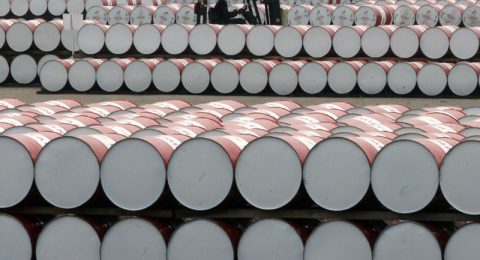
The company exports its product to Middle Eastern and North African countries, as well as some countries in Asia and South America.

Egypt exported petroleum products for $3.1 billion within a year, of which $0.5 billion came from fueling ships and planes.
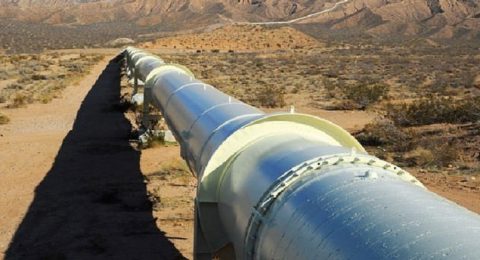
Egypt has started exporting around 165 million standard cubic feet per day (mmscf/d) of natural gas to Jordan in order to cover gas supply in electricity generation.
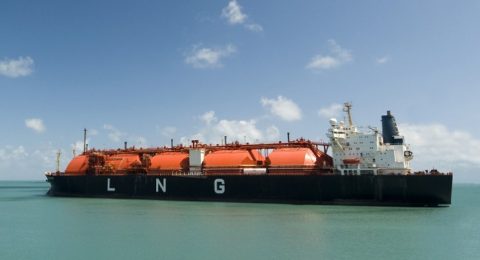
The country's exports did not have any amounts sent through pipelines in fiscal year (FY) 2017/18.

Egypt started increasing exported natural gas to Jordan to around 100 million standard cubic feet per day (mmscf/d) to secure the needs of the Jordanian electricity generating plants.

Egypt's petroleum trade deficit dropped by 29% year-on-year (YOY) in Q1 of fiscal year (FY) 2018/19, recording -$688.1 million, compared to -$970.4 million in same period of 2017/18.
Egypt’s liquefied natural gas (LNG) exports via the Idku liquefaction plant have increased by 73.3% since November to reach 520 million standard cubic feet per day (mmscf/d).
Egypt's trade deficit decreased by 10.1% year-on-year (YOY) in September 2018 to reach $3 billion, compared to $3.35 billion in September 2017.
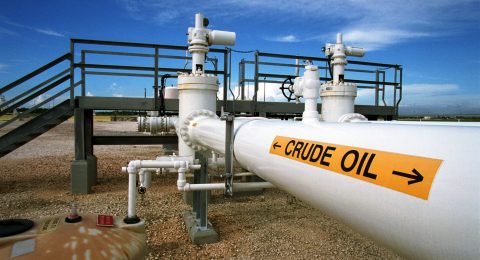
Crude oil and condensates production in Oman have exceeded more than 30 million barrels with a daily average of 1.14 million barrels in November 2018.