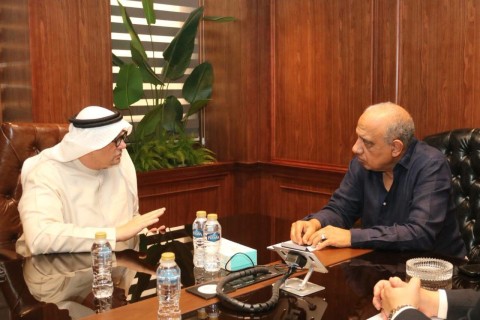
The Solar Energy Transition in Industries (SETI) initiative, backed by the United Nations Development Program (UNDP), was the focus of a meeting between Khaled Hashem, Minister of Industry, and Chitose Noguchi, UNDP Resident Representative in Egypt.
The program seeks to deploy 200 megawatts of rooftop solar capacity across 20 state‑owned industrial facilities through the Independent Power Producer (IPP) model, supported by a $150 million credit facility, according to a Cabinet statement which didnt clarify whether the facility was provided by the UNDP or another source.
The initiative aims to demonstrate the potential of self‑consumption solar systems in advancing Egypt’s renewable energy targets while promoting sustainable industrial development. SETI is being implemented by the UNDP in coordination with the ministries of Industry, Electricity and Renewable Energy, Foreign Affairs, International Cooperation and Migration, Environment, and Finance.
Through the initiative, the Industrial Modernization Centre will conduct technical assessments of the selected state-owned factories and prepare the designs for the proposed solar power plants and systems
The ministry is also cooperating with UNDP to implement the Shams El-Sinaa (Sun of the Industry) initiative, noted Hashem, adding that the ministries of Finance and Electricity and Renewable Energy are currently finalizing the initiative’s technical and financial requirements.
Sun of the Industry initiative aims to install rooftop solar panels to generate power with a total capacity of 1,000 MW on the rooftops of around 7,000 factories over two years to reduce pressure on the national electricity grid.
Accelerating the implementation of these initiatives will contribute to localising the industries that supply requirements for solar power plants, which is considered an important industry for Egypt, as Hashem pointed out.
For her part, Noguchi said the SETI initiative represents an important opportunity to accelerate the adoption of renewable energy solutions in Egypt’s industrial sector and contribute to achieving Egypt’s development and climate goals.
The United Nations Development Programme (UNDP) has supported Egypt’s development since 1966, when its country office was established in Cairo. The agency works with the Egyptian government to reduce poverty, advance sustainable development, and strengthen national institutions.