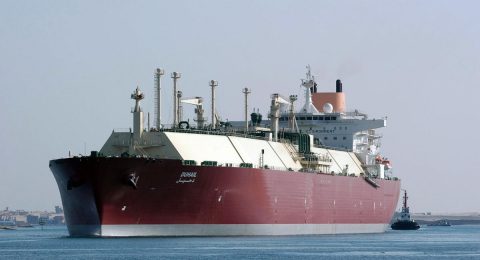
OPEC+ has reached a preliminary agreement to raise its oil production targets for June, according to sources familiar with the group’s deliberations, cited by Reuters. However, the planned increase is expected to have a limited impact in practice as the ongoing US -Iran conflict continues to disrupt crude flows from the Gulf.
Seven key OPEC+ producers are set to lift their combined output targets by approximately 188,000 barrels per day (bbl/d) next month, marking the third consecutive monthly increase. The move signals the group’s commitment to its gradual supply restoration strategy despite heightened geopolitical tensions and structural shifts within the alliance.
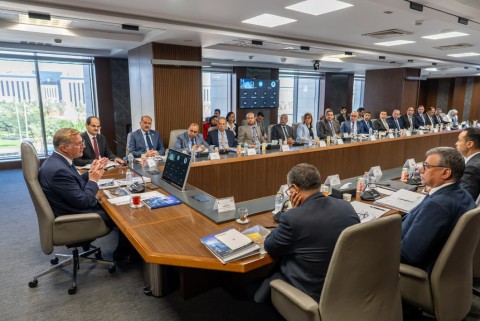
The countries participating in Sunday’s policy discussions include Saudi Arabia, Iraq, Kuwait, Algeria, Kazakhstan, Russia, and Oman. These producers, alongside the UAE, which formally exited the group on May 1, have led recent monthly production decisions, even as the broader OPEC+ coalition now comprises 21 members, including Iran.
Since the outbreak of the conflict on February 28 and the subsequent closure of the Strait of Hormuz, exports from major Gulf producers, particularly Saudi Arabia, Iraq, Kuwait, and the UAE, have been significantly constrained. Before the crisis, these countries represented the bulk of OPEC+’s available spare capacity.
Meanwhile, Iran, which is not part of the core decision-making group, has also seen its exports decline following the imposition of a US blockade in April.
Sources indicated that the June increase will be broadly in line with May’s adjustment of 206,000 bbl/d, after accounting for the UAE’s departure from the agreement.
Notably, the UAE announced on April 28 that it is withdrawing from both OPEC and OPEC+ effective from May 1.