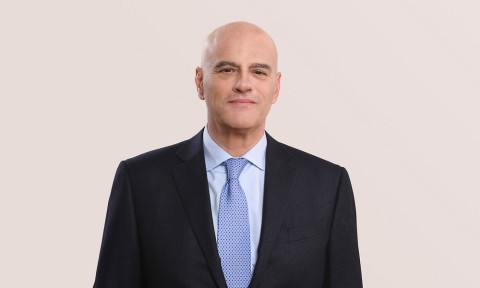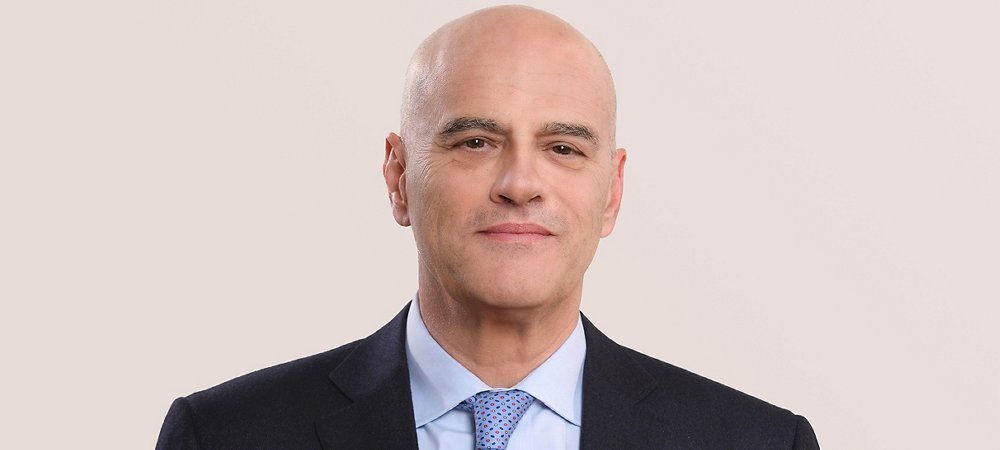
Claudio Descalzi, CEO of Italy’s state‑controlled energy group Eni, warned that if the Middle East conflict drags on, the global oil market will break out of its current $80–$100 band by early 2027, fueling inflation and curbing energy demand, according to Reuters, citing Descalzi’s interview with Il Sole 24 Ore newspaper.
The release of strategic stockpiles has so far helped keep crude prices largely within that band, he said, cautioning that this strategy entails mounting risks, given the finite nature of global reserves.
“The long-term solution is greater energy security through diversification of supply sources and routes,” he said.
Descalzi said global oil inventories have declined by an average of 3.8 million barrels per day (mmbbl/d), accelerating to 4.6 mmbbl/d in May, due to disruptions stemming from the Iran war that erupted at the end of February.
He urged countries to strengthen ties with producers in North and sub‑Saharan Africa, Latin America and Southeast Asia, while easing reliance on tightly controlled maritime routes.
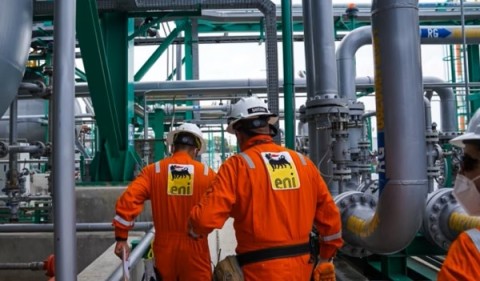
Eni’s exposure to the Middle East is limited, with the bulk of its upstream output concentrated in Africa and Latin America.
Surging power demand from artificial intelligence technologies and the rapid build‑out of data centers has heightened the urgency of safeguarding energy supply security.
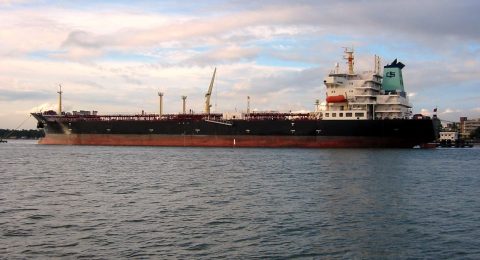
The conflict disrupted major shipping routes through the Bab el-Mandeb and Strait of Hormuz, forcing crude shipments to detour around the Cape of Good Hope. This increased freight costs, extended transit times by 10–14 days, and delayed millions of barrels of oil in transit. Despite these disruptions, Brent crude prices remained below $100 per barrel, supported by the coordinated release of Strategic Petroleum Reserves (SPRs) by the International Energy Agency (IEA) and its member countries during the 2026 crisis, which helped stabilize global oil markets.