The heads of the International Monetary Fund (IMF), World Bank Group (WBG), World Trade Organization (WTO), and International Energy Agency (IEA) have warned that the US-Israeli war on Iran is generating substantial and highly asymmetric impacts on energy supplies, food security, and economic activity across countries and regions.
Following the institutions’ meeting on May 28, they released a joint statement stating: “While the global economy continues to show resilience, the effects of the conflict are disproportionately affecting the most vulnerable countries through higher fuel and fertilizer prices, increased uncertainty, and risks to jobs and livelihoods. Higher fertilizer prices are of particular concern as many countries enter the planting season.”
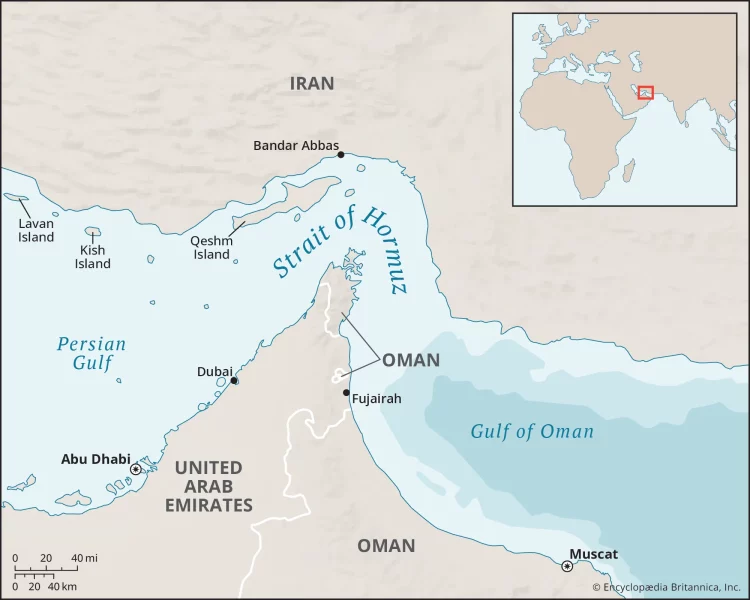
They also highlighted the rapid drawdown of global oil inventories due to supply disruptions through the Strait of Hormuz, a critical route for global oil and gas shipments.
“If shipping flows do not return to normal, continued rapid depletion of global oil inventories ahead of peak summer oil demand in the Northern Hemisphere would present increasing risks for fuel security, market conditions, and broader economic resilience,” the statement said.
The institutional alert aligns with global banking assessments from earlier in the month. Global oil stocks are shrinking at a pace not seen in nearly eight years, with Goldman Sachs warning on May 4 that stocks could fall from 101 days of demand to 98 days by the end of May. The Days of Demand metric represents the number of days the world could continue to consume oil at current rates using only existing inventories if all production were to stop.
More than 20 vessels passed the Strait of Hormuz on May 30, the highest number of ships crossing the waterway since March 1, according to Reuters. The shipments included crude oil, refined petroleum products, liquefied petroleum gas (LPG), fertilizers, and petrochemical feedstocks destined for markets across Asia, mostly Africa, Europe, and the Middle East.
The meeting was held as part of a coordination group established in April to strengthen the institutions’ response to the energy, trade, and economic consequences of the conflict.
The organizations said they reviewed conditions in the most affected countries and regions, discussed means to coordinate support, and explored additional multilateral and bilateral measures to assist impacted economies.
The four institutions pledged to remain in close contact and continue coordinating efforts to support affected countries and safeguard global economic stability as the situation evolves.