Global oil stocks are shrinking at a pace not seen in nearly eight years, with Goldman Sachs warning on May 4 that stocks could fall from 101 days of demand to 98 days by the end of May. The Days of Demand metric represents the number of days the world could continue to consume oil at current rates using only existing inventories if all production were to stop.
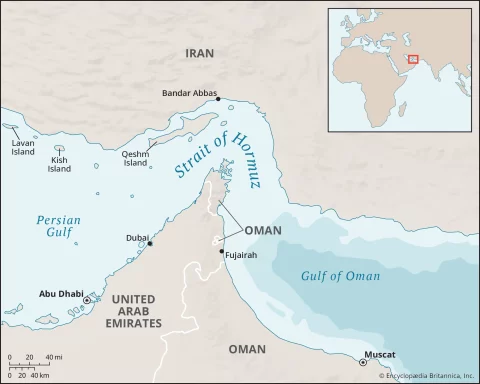
Oil prices rose by around 6% on Monday after Iran reportedly targeted several vessels in the Strait of Hormuz and a fire broke out at a UAE oil port, according to Reuters.
The bank noted that while total global stock levels are not expected to fall to critical operational thresholds in the near term, the rapid pace of declines, combined with supply disruptions affecting certain regions and products, poses increasing risks.
Meanwhile, the bank stated that easily available buffers of refined products are approaching relatively low levels.
It estimated that global commercial refined product stocks have dropped from roughly 50 days of demand before the US-Israeli war on Iran to about 45 days currently.
According to the International Energy Agency (IEA), countries must maintain oil stocks equivalent to at least 90 days of net imports. This includes both crude oil and refined products, held either domestically or abroad under bilateral agreements. IEA’s 90-day rule requires member countries to maintain strategic reserves, but these are not intended for daily commercial use.
IEA Head Fatih Birol said on April 13 that he hopes another oil stockpile release is not needed, but added the agency was ready to act if the energy shock from the US-Israeli war with Iran requires it.
The 32-member IEA agreed in March to release 400 million barrels (mmbbl) of oil from reserves, the largest-ever coordinated release, in a bid to calm oil markets.
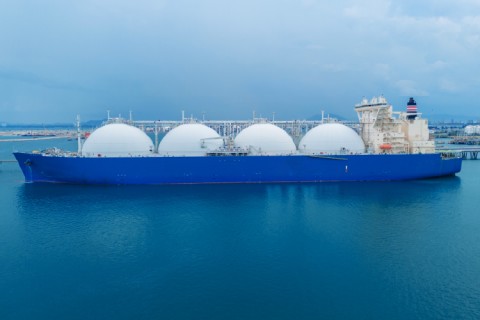
Since the Strait of Hormuz reportedly closed on February 28, 2026, seaborne exports of crude oil, liquified natural gas (LNG), and fertilizers have nearly stopped. Crude flows dropped by 95%, LNG by 99%, and fertilizer shipments by 87%, according to the World Trade Organization.
Even brief openings in April did not restore trade. Most limited shipments were crude tankers heading to Asia, including India, China, Japan, and South Korea, but volumes remained far below normal levels. Some countries have turned to Russian crude as an alternative, although this supply route also faces uncertainty due to rising tensions linked to the Russia–Ukraine conflict.