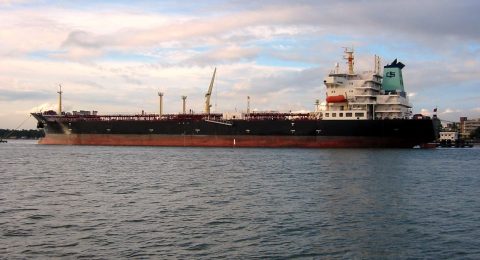
The International Energy Agency (IEA) is warning that escalating Middle East tensions are increasing uncertainty in global oil and gas markets. Hostilities threaten the Strait of Hormuz and regional energy infrastructure.
IEA Executive Director Fatih Birol said the agency is closely monitoring developments and their impact on global energy security. Disruptions near the Strait of Hormuz, a key oil transit chokepoint, have heightened concerns over supply and market stability. Threats to the Bab el-Mandeb Strait, now a critical alternative for energy shipments, have further intensified worries.
Despite the tensions, Birol noted that several factors are cushioning supply disruptions. Gulf producers, especially Saudi Arabia and the United Arab Emirates, have maintained exports via alternative routes, with some volumes still moving through the Strait of Hormuz. Gulf exports are below their late-June peak but remain well above early March to mid-June levels.
Rising exports from the United States, Brazil, Venezuela, and Kazakhstan have also helped offset supply losses.
On the demand side, China has stabilized markets by reducing crude oil imports by nearly 50% from pre-war levels, easing pressure on global supplies.
The agency highlighted emergency oil stock releases by IEA member countries. Since March, about 290 million barrels out of a planned 400 million have been released. Member nations still hold over one billion barrels in emergency reserves, providing a buffer against further disruptions.
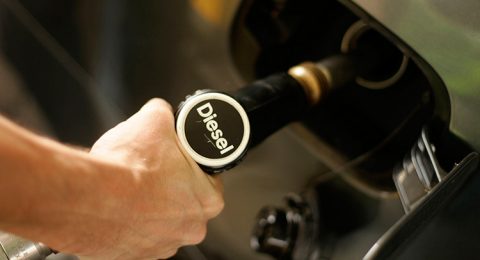
However, Birol cautioned against complacency. While crude supplies are stable, refined fuel markets remain tight. Refinery output has lagged, increasing pressure on diesel and gasoline supplies.
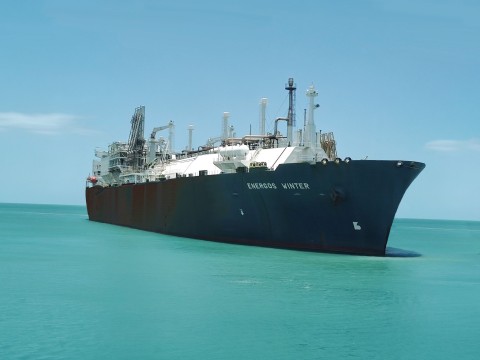
Natural gas markets face similar challenges. Increased LNG exports from the United States and Canada have offset about 70% of lost supply that would normally transit the Strait of Hormuz. Still, the IEA warned that prolonged Gulf disruptions could keep LNG markets tight and hinder Europe and others from rebuilding gas inventories ahead of winter. The agency stressed that fully reopening the Strait of Hormuz is essential to restoring global energy security and market stability.