Global energy demand is expected to grow at its slowest pace in two decades as renewable power expands rapidly and fossil fuel consumption peaks before 2030, the International Energy Agency (IEA) said in its recently released World Energy Outlook 2025.
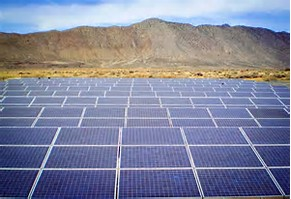
The Paris-based watchdog projected that renewables, led by solar photovoltaics, will meet nearly all new electricity demand growth through 2035, signaling a structural shift in global energy markets despite ongoing geopolitical tensions and record oil use in some regions.
The IEA said that investment in clean energy technologies would reach $3 trillion by 2030, up from $2 trillion today, driven by cost declines and policy support in major economies. However, it warned that the momentum remains uneven, with slower progress in emerging markets outside China, India and the Middle East.
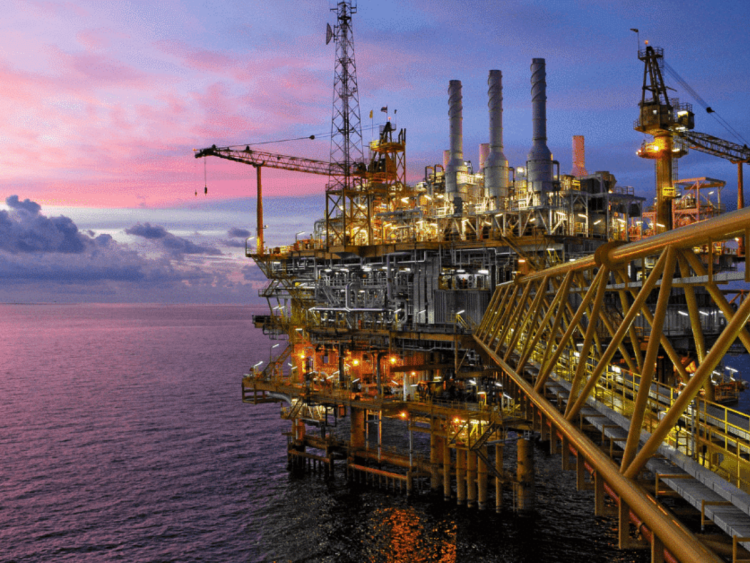
Fossil fuel consumption is set to plateau this decade, according to the agency’s central “Stated Policies Scenario.” Oil demand is forecast to peak at around 103 million barrels per day (bbl/d) before falling gradually, while global natural gas use stabilizes. Coal demand continues to decline in most regions as renewables and nuclear power expand.
In Africa, the IEA highlighted accelerating energy investment and grid expansion after years of underdevelopment. The continent is expected to add an average of 24 gigawatts of new electricity capacity annually to 2035, double the rate of the past decade, with more than 70% coming from renewables. Solar power alone will account for half of the new capacity, overtaking hydropower as Africa’s second-largest electricity source.
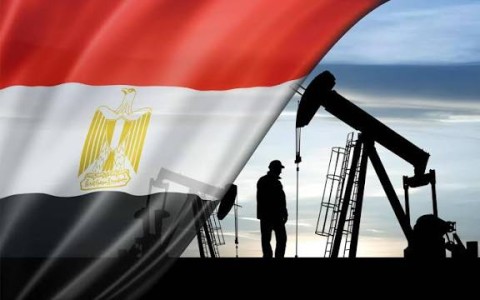
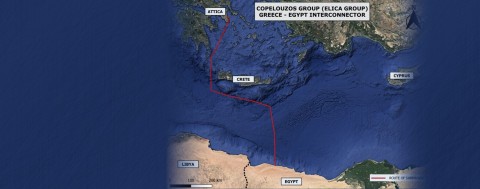
Egypt features prominently in the report, with the IEA noting that its El Dabaa nuclear power plant, North Africa’s first, is due to reach full capacity by 2030, marking a milestone in the region’s diversification of energy sources. The project underscores the push to strengthen Egypt’s role as a regional energy hub and reduce reliance on fossil fuels. The IEA also said Egypt’s natural gas production is projected to remain stable through 2035, even as other producers like Mozambique nearly double output.
Across the Middle East, rising cooling demand is reshaping power systems. The report said electricity use for air conditioning almost doubled between 2010 and 2024 and could surge another 40% by 2035, driving up the need for grid investment and storage. Yet the IEA pointed to new opportunities to align daytime cooling demand with solar generation, noting that renewables could supply more than 20% of regional electricity within a decade.
The agency warned that fossil fuels still attract nearly two-thirds of Middle Eastern energy investment and called for faster diversification to meet climate goals.
Global oil trade, meanwhile, is expected to shift further east, boosting the strategic importance of maritime chokepoints such as the Straits of Malacca and Hormuz, the IEA said.
Despite record renewable installations, the agency cautioned that global emissions remain too high to keep warming below 1.5°C. “The energy transition is moving fast, but not fast enough,” the report concluded.