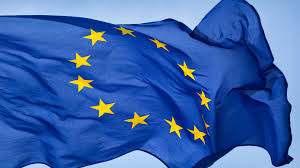
The European Union (EU) launched the Trans-Mediterranean Renewable Energy and Clean Tech Cooperation (T-MED) flagship initiative on June 9, aiming to mobilize up to €25 billion in total investment allocations by 2035, noted a press release by the EU.
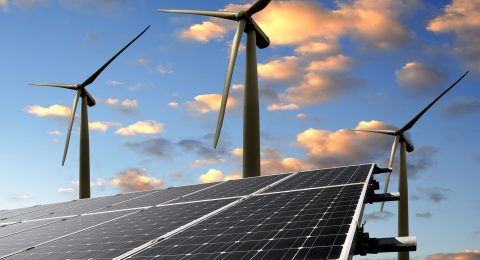
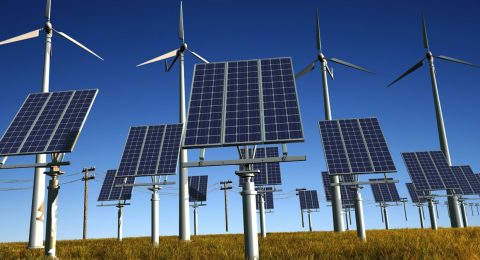
Unveiled during the European Sustainable Energy Week, the strategic framework seeks to accelerate the deployment of 15 gigawatts (GW) of new renewable energy capacity, clean technology manufacturing, and modernized cross-border electricity networks across the Mediterranean basin. To de-risk early-stage commercial financing, the European Commission allocated more than €5 billion in guarantee capacity under the European Fund for Sustainable Development Plus (EFSD+), which will serve as a financial instrument to unlock both public and private capital.
The initiative, introduced by EU Commissioner for the Mediterranean Dubravka Šuica and EU Commissioner for Energy and Housing Dan Jørgensen, functions as a core component of the broader Pact for the Mediterranean. By integrating regional power structures, T-MED targets the generation of more than 100,000 jobs in clean energy sectors across Southern Mediterranean partner nations. The program addresses a substantial geographic opportunity, given that the Mediterranean region holds an estimated 2,300 GW of untapped renewable potential, more than twice the EU’s current operating capacity, with localized solar and wind production costs hovering 30% to 40% lower than European baselines.
This new energy framework builds upon the institutional foundation of the Pact for the Mediterranean, which was originally established on November 28, 2025, in Barcelona, Spain. The pact was designed to reinforce economic and diplomatic cooperation between the EU and nations throughout the Middle East and North Africa (MENA) region. By nesting T-MED within the pact’s economic integration pillar, the EU seeks to transition regional partners away from an over-reliance on fossil fuel imports, replacing volatile commodity supply chains with interconnected, electrified energy systems that secure long-term macroeconomic stability across the southern maritime border.