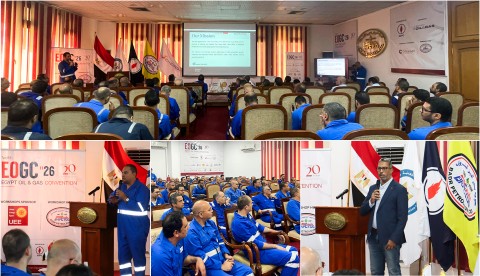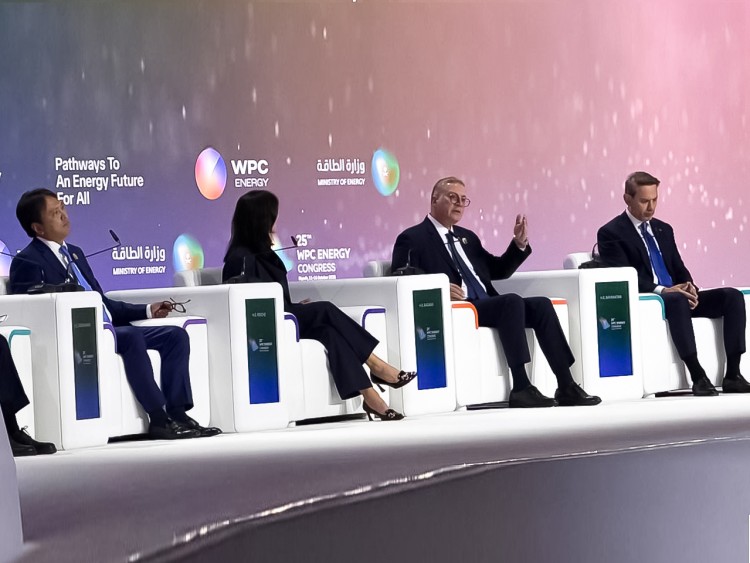
Addressing the opening ministerial session of the World Petroleum Congress (WPC) in Riyadh, Egypt’s Minister of Petroleum and Mineral Resources Karim Badawi said the country is prioritizing energy security by attracting investment to boost domestic output, accelerate exploration and development, and maximize existing infrastructure.
He stressed that Egypt has adopted a practical approach to tackling sector challenges by strengthening cooperation with international investors, improving the business climate, and turning opportunities into productive projects.
Delivering the keynote address in a session titled “The Future of Energy”, inaugurated by Saudi Energy Minister Prince Abdulaziz bin Salman Al Saud, Badawi joined energy ministers and industry leaders, including U.S. Secretary of Energy Chris Wright, who participated virtually.
Over the past two years, Egypt has settled outstanding dues to international partners, introduced incentives for mature fields and exploration, strengthened investor engagement, and digitized investment opportunities through the Egypt Upstream Gateway (EUG).
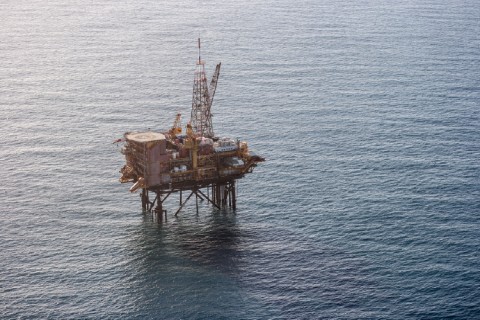
These reforms have supported new investment and operational activity. bp accelerated production from its Fayoum-4 well, Arcius Energy took an FID on the Harmattan field, and Shell approved investment in Phase 12A of its West Delta Deep Marine project. ExxonMobil and QatarEnergy are preparing to drill offshore, Chevron has resumed drilling at Nargis, and TotalEnergies has returned to exploration in the West Mediterranean.
Badawi said these efforts aim to boost domestic production, accelerate exploration and field development, and create a more stable environment for investment.
Badawi said Egypt aims to develop an integrated mining industry that extends beyond exploration to processing, manufacturing, and value addition, capturing greater economic benefits from its mineral resources amid rising demand for energy-transition minerals.
He concluded that Egypt’s energy strategy focuses on balancing security of supply, affordability, and sustainability through investment, technology, infrastructure optimization, and regional cooperation.
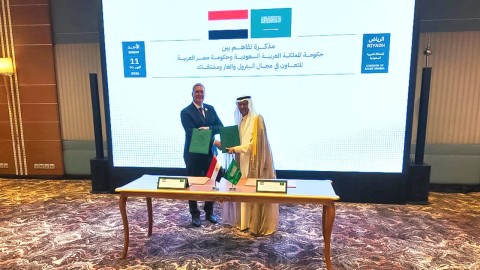
Cooperation between Egypt and Saudi Arabia extends to mining: in September 2026, the two countries discussed expanding collaboration in mining training and expertise exchange, building on their shared geological potential within the Arabian-Nubian Shield. The two countries signed a memorandum of understanding on mineral resources in January 2024, covering exploration, geological information exchange, and skills development.