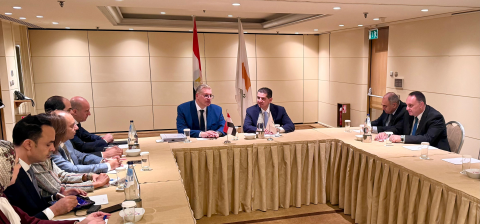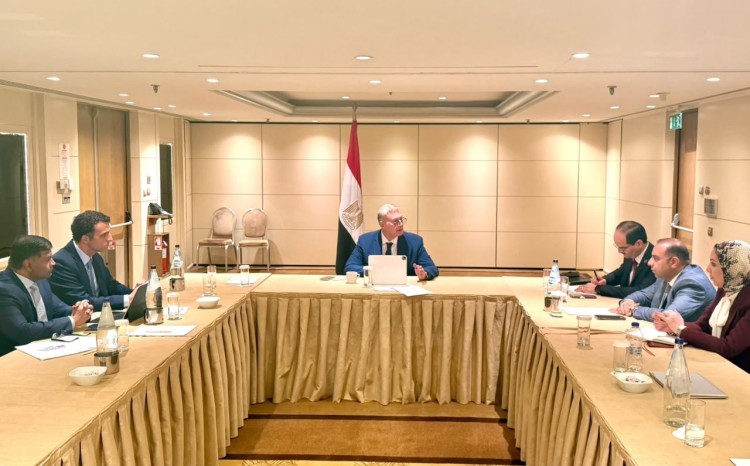
Karim Badawi, Minister of Petroleum and Mineral Resources, met with senior executives from Chevron to review the final steps required to connect Cyprus’ Aphrodite natural gas field to Egypt’s infrastructure, paving the way for a final investment decision (FID) and project implementation.
The meeting, held at the conclusion of Badawi’s visit to Athens, focused on completing the necessary procedures, agreements, and arrangements ahead of a decision on the Long-Lead Items (LLI) procurement and subsequently taking the FID to move the project forward as soon as possible, according to a statement by the Ministry of Petroleum and Mineral Resources (MoPMR).
The discussions covered progress made by joint working teams and the status of the project’s technical, commercial, and legal procedures. Badawi stressed the importance of accelerating the remaining steps and directed the provision of the necessary support and coordination to help the teams complete their work and advance the project to implementation.
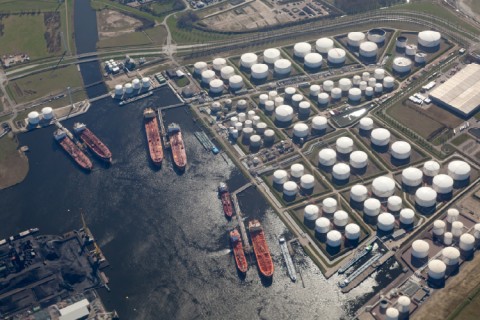
Badawi said the Aphrodite project would help maximize the use of Egypt’s infrastructure for receiving, processing, and handling natural gas, while strengthening regional energy integration and supporting Egypt’s position as a regional hub for gas trading.
He added that using Egypt’s infrastructure to transport and redirect Eastern Mediterranean gas to international markets would add value to regional resources and create opportunities for further cooperation and investment in the energy sector.
As the operator of the Aphrodite field with a 35% working interest, Chevron is leading the technical development and front-end engineering for the project alongside partners Shell and NewMed Energy. In this role, the US energy major is driving the commercial and infrastructure alignment required to execute the $4 billion project and build the 280-kilometer subsea pipeline linking Cypriot gas to Egypt.
Cyprus plans to connect Aphrodite to Egypt through a 280-kilometer subsea pipeline, transporting gas to Egypt’s infrastructure for processing and re-export through its LNG facilities to international markets. The project aims to maximize the use of Egypt’s existing gas infrastructure, generate economic benefits for the partners, and strengthen Egypt’s position as a regional gas trading hub.