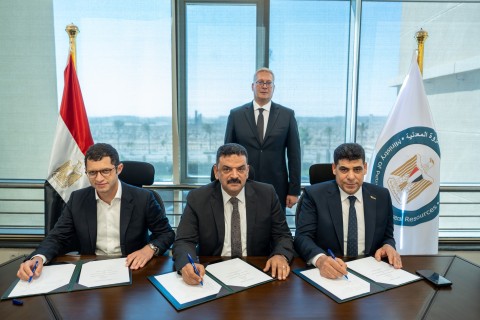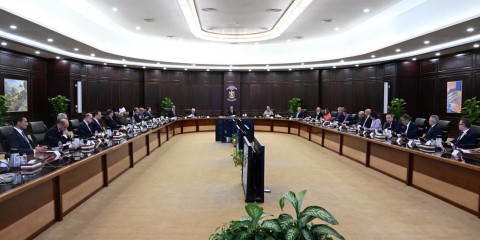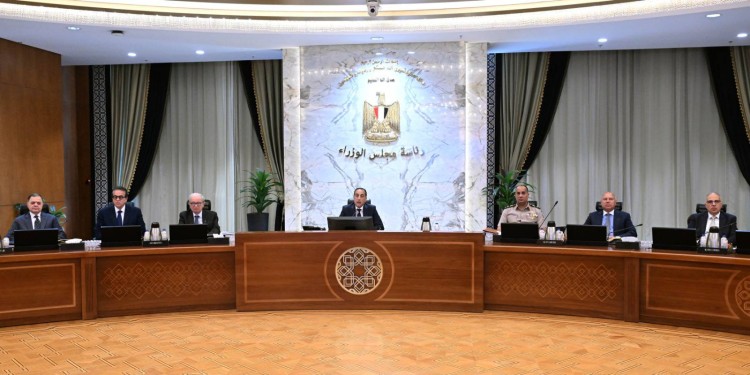
The Cabinet approved a series of amendments to the country’s mining regulations, tightening licensing procedures, setting new rules for state participation in mining ventures, and introducing oversight measures for geological testing laboratories.
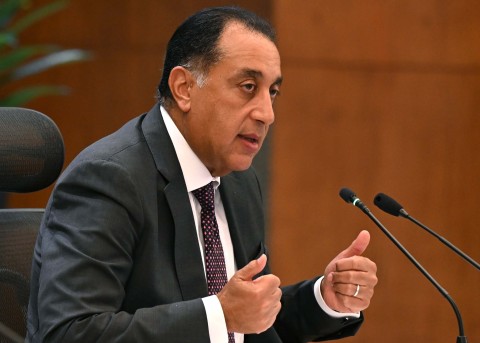
The decision, made during the Cabinet’s 90th meeting chaired by Prime Minister Moustafa Madbouly, amends parts of the executive regulations of the Mineral Resources Law, issued under Prime Ministerial Decree No. 108 of 2020.
The regulation applies to all licenses issued by the competent authority for the exploration and exploitation of raw materials from mines, quarries, and salt mines. Furthermore, the provisions govern the licensing of laboratories that analyze rocks and associated mineral raw materials to ensure compliance with national technical standards.
The amendment also included provisions on obtaining licensing, including a ban on issuing permits in areas like archaeological sites, nature reserves, urban lands, markets, utilities, places of worship, cemeteries, and lands adjacent to airports, highways, railways, pipelines, irrigation facilities, dams, and reservoirs unless prior approval is secured from the relevant authorities, which must respond within 30 days.
The amendments also grant registered landowners the right to apply for exploration or exploitation licenses on their property, exempting them from rental fees. Applications must be submitted to the Mineral Resources Authority with the required documents, approvals, and technical reports.
In a move to strengthen the sector, the amendment grants rights to the Mineral Resources and Mining Industries Authority (MRMIA) to establish or contribute to specialized companies for mining and exploration activities inside and outside Egypt, with public funds holding no less than 10% equity. These companies will remain subject to all technical and financial obligations under the law.
In addition, an advisory committee will be formed by ministerial decree, chaired by a representative of the Ministry of Petroleum and Mineral Resources (MoPMR), with members from relevant ministries and experts. Meeting at least four times annually, the committee will guide on sectoral issues.
According to the cabinet statement, the amendment entails that exploration license applications be filed manually or via the Egypt Mining Portal. Licenses for mines up to one square kilometer will be issued by the Authority’s board, limited to one mine per applicant, while larger projects require ministerial approval. The Cabinet noted that licenses are valid for two years, renewable twice, with a possible third renewal subject to technical justification. Annual exploration fees apply per square kilometer.
A new chapter was added to the regulations covering the licensing of rock analysis laboratories. It sets conditions for licensing, operating rules, and inspection requirements. These laboratories are authorized to prepare samples and conduct chemical, physical, mineral, geological, and research tests related to rocks and mineral raw materials.