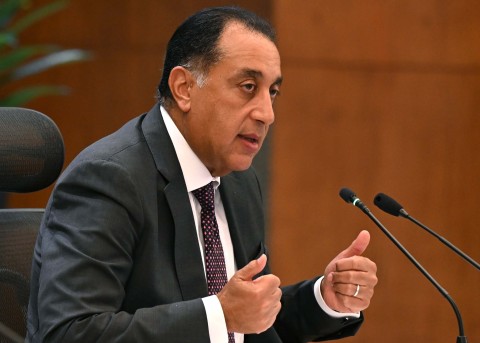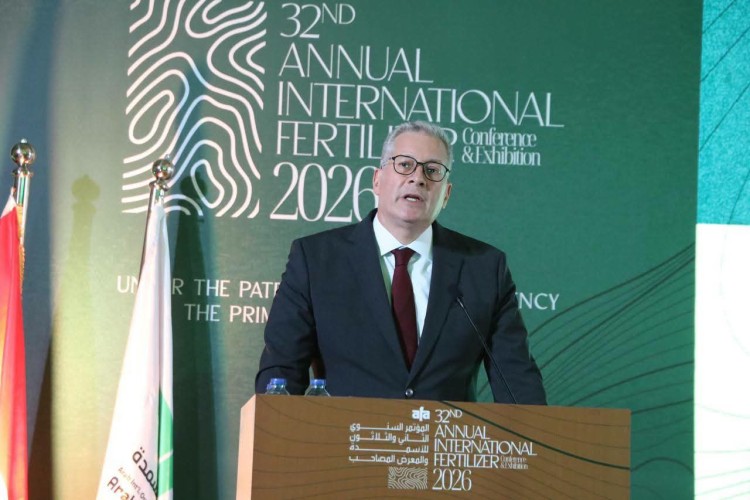
The fertilizer plants in Egypt operated at more than 90% of their capacity over the past year following the stabilization of natural gas supplies, while urea fertilizer exports reached approximately $9.4 billion in 2025, marking an annual growth rate of 7.4%, according to Karim Badawi, Minister of Petroleum and Mineral Resources.
Speaking at the opening of the Arab Fertilizer Association’s 32 Annual International Fertilizers Conference and Exhibition, Badawi said that the ministry had successfully overcome challenges related to natural gas supplies and secured the needs of the domestic market and various industrial sectors. This, he noted, helped restore production and operating rates across industries, particularly the fertilizer sector.
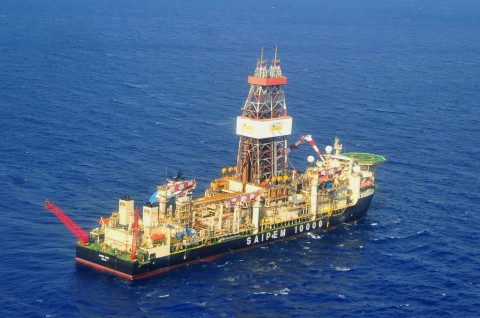
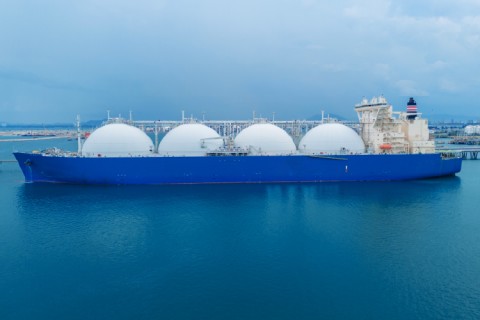
Badawi highlighted the ministry’s strategy to secure natural gas supplies through two pillars: increasing investments in exploration, development, and production activities as well as strengthening infrastructure through the deployment of regasification vessels to receive liquefied natural gas (LNG) imports.
Moreover, Badawi noted that Egypt is well-positioned to strengthen its role as a regional hub for fertilizer production and exports, particularly in phosphate fertilizers. The country holds more than 3 billion tons of phosphate rock reserves, ranking it third globally in terms of reserve size.
He added that the ministry is pursuing a strategy aimed at maximizing the value of Egypt’s mineral resources through downstream industries, including phosphate fertilizer and phosphoric acid production projects.
Among the key projects currently under development are the Abu Tartour Phosphoric Acid Complex in New Valley in addition to the Ain Sokhna Phosphate Fertilizer Complex. The ministry is also working with domestic private-sector players, including Poly Serve and El Sewedy Group, alongside international companies specializing in mining and industrial development.
Badawi also highlighted during the event ongoing coordination with the Ministry of Electricity and Renewable Energy to expand renewable energy projects, which he said would improve the efficiency of Egypt’s energy mix and free up additional natural gas volumes for value-added industries, particularly fertilizer manufacturing.
He concluded by emphasizing that securing energy supplies and maximizing the value of mineral resources remain central to supporting the fertilizer industry, a strategic sector closely linked to food security, sustainable economic development, export growth, and Egypt’s ambition to become a regional energy and industrial hub.
The event was attended by Minister of Agriculture and Land Reclamation Alaa Farouk and Minister of Industry Kamel El-Wazir.