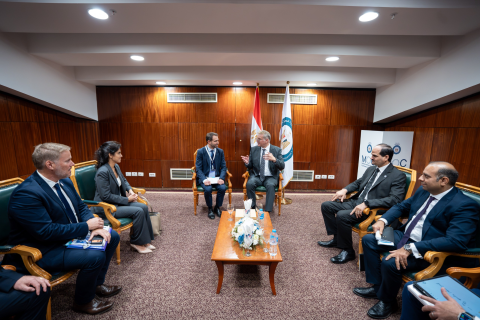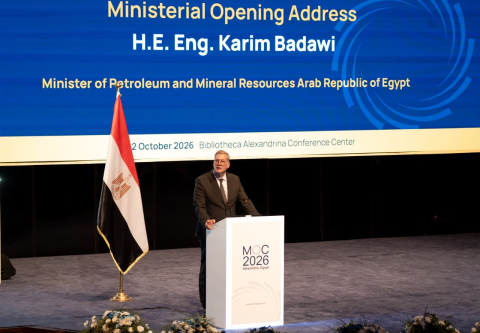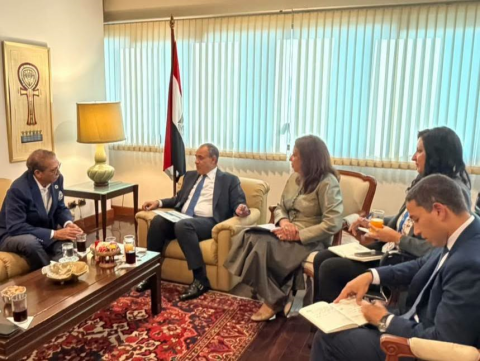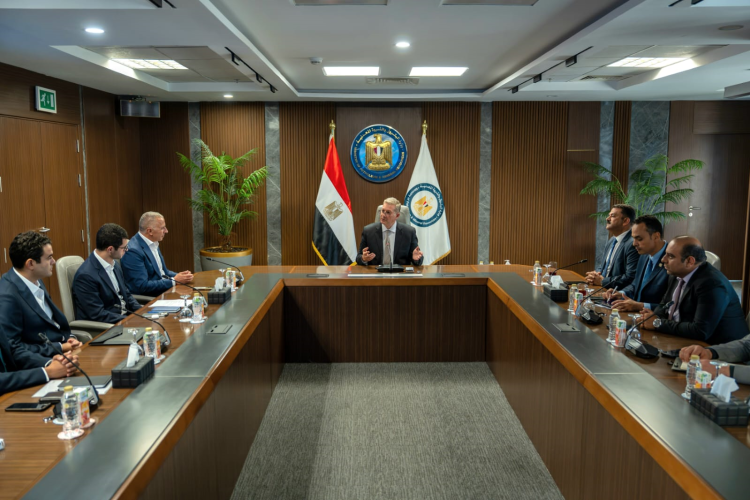
Karim Badawi, Minister of Petroleum and Mineral Resources, met with Ahmed Elsewedy, President and CEO of Elsewedy Electric, to discuss the final preparations for the first phase of the integrated phosphate industries complex in Ain Sokhna.
The complex, signed in November with total investments of $1 billion, contains three phases. The first phase focuses on the production of phosphoric acid and DAP/TSP fertilizers, each with a capacity of 300,000 tons per year (t/y). The second phase (2029-2031) aims to produce high-purity specialized phosphate chemicals. Meanwhile, in the third phase (2032-2034), the complex targets expanding to new energy materials for the production of electric battery components.
Elsewedy Electric, through its subsidiary Elsewedy Industrial Development, will provide the industrial land, engineering design, and infrastructure within its Sokhna 360 industrial hub, while working alongside government entities and China’s CJN, a global leader in the phosphate industries.
The project represents a strategic step towards maximising the economic value of mineral resources and a practical translation of the country’s vision to move from exporting raw materials to establishing integrated mining industries that deliver the highest added value and support the national economy, Badawi noted.
He said the project is among the first tangible outcomes of the government’s mining sector reforms, particularly the transformation of the Mineral Resources and Mining Industries Authority (MRMIA) into an economic authority and amendments to the executive regulations of the Mineral Resources Law. According to the minister, these reforms have helped create a more competitive and attractive investment environment while paving the way for stronger partnerships with the private sector on high-value mining projects.
The government has been pivoting away from exporting phosphate as a raw material this year in favor of manufacturing high-value fertilizers and chemical products.
Egypt is well positioned to pursue this strategy, holding an estimated 2.8 billion tons of phosphate reserves, ranking third globally after Morocco and China.