Across the global oil and gas industry, the demand for accurate emissions monitoring, enhanced operational safety, and improved inspection efficiency is surging. As operators navigate tightening regulatory requirements and ambitious environmental commitments, the need for innovative monitoring technology has become critical.
In Egypt, SMA is driving this transformation. By integrating advanced drone technology with proven ground-based inspection methods, SMA delivers high-precision emission monitoring and infrastructure services that set a new standard for the energy sector.
Maximizing Reach, Minimizing Risk
Oil and gas facilities are among the world’s most Logistically challenging industrial ecosystems , where high-pressure processing systems, volatile materials, and sprawling infrastructure intersect to create a high-stakes operational landscape.
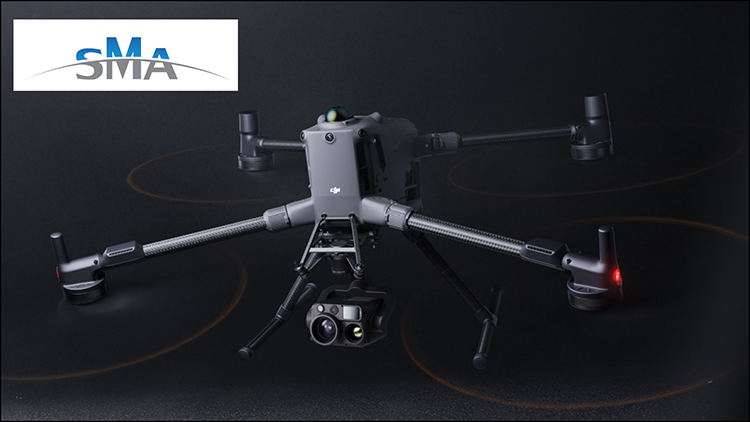
By deploying industrial drones equipped with thermal cameras, optical gas imaging systems, and high-resolution sensors, inspection teams can safely access difficult-to-reach areas while collecting precise data in a fraction of the time required by conventional methods. These aerial platforms enable operators to conduct inspections of critical infrastructure such as flare stacks, storage tanks, pipeline intersections, and processing units without interrupting ongoing operations.
The result is faster inspections, improved safety, and more frequent monitoring cycles that allow operators to detect potential issues before they escalate.
Transforming Methane Compliance
As companies align with global climate commitments and rigorous environmental reporting standards, methane emissions monitoring has emerged as a strategic priority for the oil and gas industry.
SMA addresses this challenge by integrating Optical Gas Imaging (OGI), high-flow sampling technologies, and drone-based sensing platforms. This multi-layered approach allows operators to detect and quantify methane leaks with exceptional accuracy. These advanced solutions facilitate comprehensive, facility-wide oversight and ensure seamless compliance with internationally recognized frameworks, including OGMP 2.0 Level 4 and Level 5 standards for emissions quantification.
Drone-mounted sensors provide the capability to rapidly identify emission sources across large operational areas, helping operators measure leak volumes, prioritize repairs, and improve environmental performance.
By combining aerial measurements with ground-based surveys, inspection teams gain a complete understanding of emission behavior across entire facilities.
Advantages for oil and gas operators:
- Personnel Safety First
Drones allow inspections in hazardous environments—such as flare stacks, elevated structures, and confined industrial areas—without exposing personnel to risk.
- Efficiency at scale
Large facilities that traditionally required days of manual inspection can now be surveyed within hours, reducing downtime and improving maintenance planning.
- Detailed data, Smarter reactions
Advanced sensors and imaging systems capture detailed thermal and visual data, enabling engineers to detect corrosion, structural damage, and equipment anomalies at an early stage.
- Real-Time Decisions
Real-time data analysis allows operators to quickly assess asset integrity and respond to potential issues before they impact product
These improvements are driving a shift toward more proactive asset management strategies within the oil and gas sector.
Powering Nationwide Safe Operations
SMA’s inspection and monitoring services are currently deployed across several major oil and gas regions in Egypt, supporting operators in maintaining safe and efficient operations. These activities include projects in the Alexandria and Cairo petroleum areas, the Zohr Field, Assiut, Abu Rudies in Sinai, and the Port Said region.
Through these operations, the company has demonstrated how integrated monitoring solutions can support both operational performance and environmental responsibility.
Looking Ahead: Digital Monitoring for Lower-Emissions
As the oil and gas industry moves toward more sustainable and digitally integrated operations, technologies such as drone-based inspection and emissions quantification are becoming essential tools.
By combining advanced aerial platforms, high-precision sensing technologies, and experienced engineering teams, companies like SMA are helping operators transition toward smarter monitoring systems that enhance safety, reduce emissions, and improve operational reliability.
The future of oil and gas inspection is increasingly data-driven, automated, and aerial—and drone technology is leading the way.