Novak: OPEC+ Set to Relax Oil Cuts As Planned
Russian Energy Minister Alexander Novak announced on 14 October that the OPEC+ group of leading oil producers will start easing output curbs as planned despite a global spike in coronavirus cases.

Russian Energy Minister Alexander Novak announced on 14 October that the OPEC+ group of leading oil producers will start easing output curbs as planned despite a global spike in coronavirus cases.

The United Arab Emirates (UAE) has reaffirmed its commitment to the Organization of Petroleum Countries and its allies (OPEC+) output deal despite rising domestic needs.
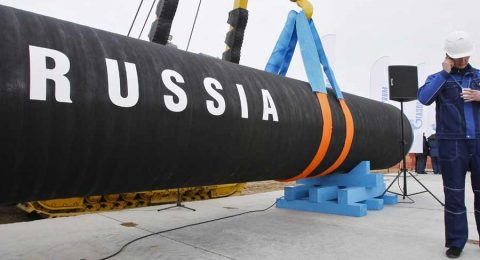
Russian oil and gas condensate production has edged to 9.93 mmbbl/d in September, slightly exceeding its Organization of Petroleum Exporting Countries’ (OPEC) quota.

The Organization of the Petroleum Exporting Countries (OPEC) has seen output rise for the third consecutive month after the resumption of Libyan oil production and higher Iranian export levels.

The Organization of Petroleum Exporting Countries (OPEC) has further reduced its forecast for global oil demand amid the weaker-than-expected recovery in India and other Asian countries.

Net oil and gas importer, Jordan, is set to resume crude imports from its Middle Eastern neighbor, Iraq, later on in September after shipments were suspended due to the pandemic.
Russia’s Energy Minister, Alexander Novak, has predicted that global oil demand could fall by 9-10 million barrels per day (mmbbl/d) this year due to the impact of the COVID-19 pandemic.

Iraq, the Organization of the Petroleum Exporting Countries’ fourth-largest producer of oil, is seeking a pardoning from the existing OPEC+ deal in Q1 of 2021 but insists it will adhere to cuts over the next 3 mon ...
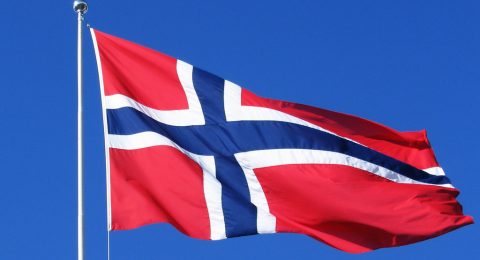
Norway’s government has released the official production figures for the Norwegian Continental Shelf in July, showing a 120,000 barrels of oil per day (bbl/d) reduction compared to the reference production.
Compliance with the Organization of the Petroleum Exporting Countries and allies’ (OPEC+) oil cuts has been assessed to be at a range of 95%-97% in July as demand shows signs of recovery.