OPEC | Egypt Oil & Gas - Part 39

Kuwait Bumped Oil Price to $44 a Barrel
Kuwait Petroleum Corporation (KPC) stated that the country increased oil prices increased by $0.13, late August, from $43.87 per barrel to reach $44 per barrel
Iraq to Boost Oil Production and Exports
Iraq's Prime Minister, Haider al-Abadi, said his country intends to boost crude oil production and will not restrain output as part of any possible agreement among member's of the Organization of the Petroleum Export ...
Russia,Saudi Arabia Talk Oil Market Stability
Russia is consulting with Saudi Arabia and other producers to achieve oil market stability, opening the door to further discussions on output freeze. Saudi Pumps Record Volume of Crude
Saudi Arabia boosted its output to a record high of 10.67mb/d in July, up from 10.55mb/d in June, according to figures Riyadh provided to the Organization of the Petroleum Exporting Countries (OPEC).
Algeria Expected to Push for Production Freeze
Algeria and other OPEC members are expected to push for a production freeze during an OPEC informal meeting scheduled for late September in Algiers.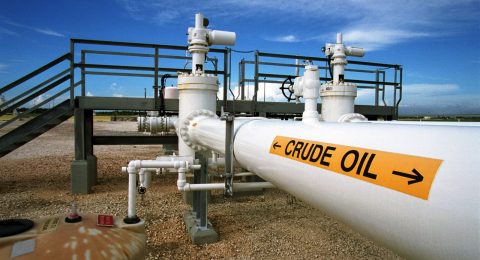
Kuwait’s Oil Field, Leakage But No Fire
Kuwait Oil Company reported it contained an oil leak during drilling at Al-Ahmadi oil Field, located in the rich OPEC member state.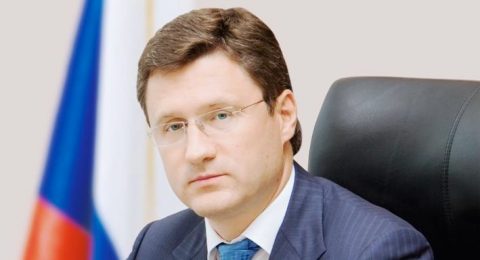
Russia Relunctant to Renew Output Freeze Talks
Russia sees no need for renewing discussion of an oil-output freeze at current crude prices, while leaving open the possibility for future talks with the Saudi counterparts.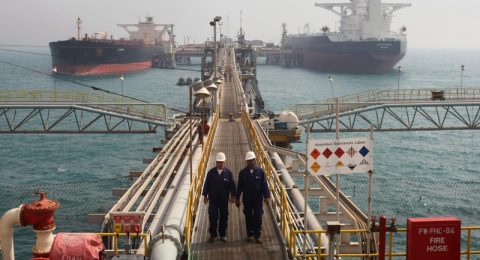
Iraqi Oil Export Increased in July
Iraq's oil exports from its southern ports rose to 3.2mb/d on average in July, up from 3.175mb/d in June, as the Arabic nation increased crude production to bring in a $3.744b in oil export revenues.