

Iraqi Oil Exports See Slight Rise in March
Iraq exported 3.453 million barrels per day (mb/d) of crude oil from its southern ports in March, a slight increase from the numbers for February, which marked the third month in a downward trend.
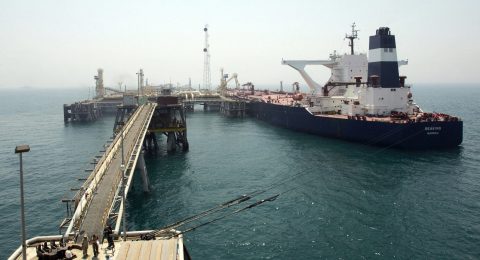
Iraq exported 3.453 million barrels per day (mb/d) of crude oil from its southern ports in March, a slight increase from the numbers for February, which marked the third month in a downward trend.
Bahrain announced on April 1st the discovery of a new tight oil and deep gas field off the west coast of the kingdom; the discovery is thought to dwarf the country's current reserves.

Iraq may have double the current estimated amount of oil reserves, the country’s oil minister Jabar Al-Luaibi said.

A number of oil exporting countries have suggested a six-month extension to the supply cut deal agreed by OPEC and non-OPEC nations.

A senior Iraqi energy official has said that oil could be sent from Kirkuk in the north of Iraq to Iran's Kermanshah refinery in the coming weeks.
Riyadh and Moscow are considering extending Russia’s current short-term alliance with OPEC to curb oil production that began in January 2017 after a crash in crude prices.

Saudi Aramco signed preliminary cooperation agreements worth $10 billion with numerous leading oil services companies during Crown Prince Mohammed bin Salman's visit to the US.

National Iran Oil Company (NIOC) has cut South Pars condensate production in Q2 2018 by 25%.
Iraqi President Fuad Masum stated on March 26 that Iraq supports OPEC’s agreement to cut oil output.

Kuwait Petroleum Corp (KPC) signed an agreement with an international firm securing the long-term supply of liquid natural gas (LNG).