Türkiye has rejected Iraq’s request to extend the existing agreement governing the Kirkuk-Ceyhan oil pipeline, signaling its preference to negotiate a new framework before the current accord expires on July 27, Reuters reported.
Baghdad has formally requested a one-year extension of the existing Kirkuk-Ceyhan oil pipeline agreement as it continues talks with Ankara on a replacement accord.
According to a senior Turkish official, Ankara sees little value in extending the decades-old agreement, which has been at the center of international arbitration disputes between the two countries. Iraq had requested at least a one-year extension to allow additional time for negotiations on a replacement deal.
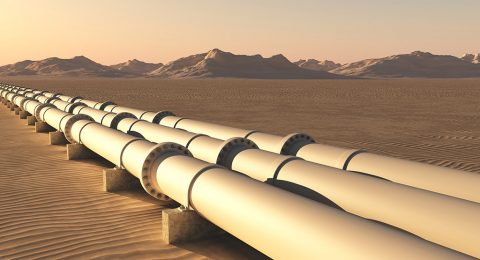
The Kirkuk-Ceyhan pipeline remains a key export route for Iraqi crude, particularly as exports from the country’s southern terminals have faced challenges following disruptions to shipping through the Strait of Hormuz. Baghdad and Ankara are currently discussing a draft agreement that would replace the existing framework.
Türkiye announced last year that it intended to terminate the current pipeline accord and seek new terms. Ankara’s proposal reportedly includes measures to maximize utilization of the pipeline’s capacity and options to expand the infrastructure further into southern Iraq.
The pipeline was shut down for nearly two and a half years after an international arbitration court ordered Turkey to pay $1.5 billion in damages related to unauthorized Iraqi oil exports conducted between 2014 and 2018. Operations resumed late last year, although additional legal proceedings covering exports from 2018 onwards remain ongoing.
With a nameplate capacity of nearly 1.5 million barrels per day (mmbbl/d), the pipeline has operated significantly below its potential due to security and operational constraints. According to shipping data, crude exports from Kirkuk to Türkiye averaged approximately 177,000 bbl/d in April.
The outcome of the ongoing negotiations is expected to play a key role in determining the future of northern Iraqi crude exports and the long-term utilization of one of the region’s most important oil transportation routes.