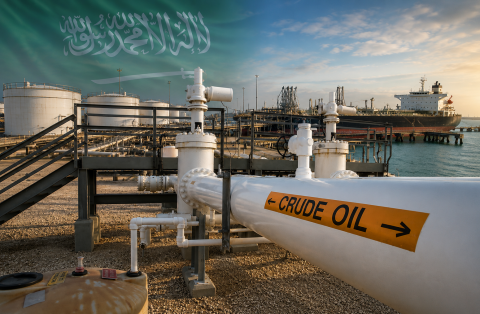
International oil prices climbed above $100 per barrel on September 9 for the first time since July as escalating military confrontations involving Iran, the US, and Houthi forces intensified concerns over global oil supplies.
Brent crude rose 2.1% to above $100 per barrel after the latest escalation in the conflict, including US strikes on Iranian tankers and Houthi attacks on Saudi Arabian cities and energy infrastructure.
Brent has surged more than 60% since the start of 2026, breaching the $100 mark three times this year and underscoring global markets’ vulnerability to Middle East turmoil. The latest spike reflects mounting anxiety over the security of oil transit routes, particularly the Strait of Hormuz, through which a significant share of world crude normally flows.
In its August Oil Market Report, the International Energy Agency (IEA) projected global oil supply to decline by 4.3 million barrels per day (bbl/d) on average in 2026, before rebounding by 8.3 million bbl/d in 2027. It also said that renewed hostilities and maritime disruptions had reduced its third-quarter 2026 supply forecast by 1.7 million bbl/d from the previous month’s estimate.