ExxonMobil reported its strongest quarterly profit in four years during the second quarter (Q2) of 2026, driven by stronger crude prices and improved refining margins following geopolitical tensions in the Middle East. However, the US oil major narrowly missed Wall Street expectations as commodity price volatility and regional supply disruptions weighed on results, according to the company.
The company’s adjusted earnings climbed 67% quarter-on-quarter to $14.7 billion, or $3.52 per share, more than doubling from the same period last year. Nevertheless, the figure fell short of analysts’ consensus estimate of $3.60 per share.
Chief Financial Officer Neil Hansen attributed the earnings miss to “extreme swings” in commodity prices and refining margins that proved difficult to model, while emphasizing that the company’s underlying operational performance remained strong. ExxonMobil shares closed 1% lower at $155.44 following the results.
The quarter was marked by continued uncertainty in the Middle East despite a ceasefire agreement between the United States and Iran in April.
Production declined slightly during the quarter, easing to 4.5 million barrels of oil equivalent per day (boepd) from 4.6 million boepd in the previous quarter.
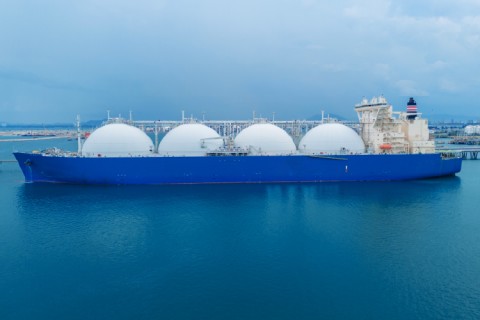
According to the company, around 450,000 boepd of lost production was linked to reduced liquefied natural gas (LNG) output in Qatar following Iranian attacks on energy infrastructure earlier this year. Hansen said LNG production in Qatar remains largely shut in, while domestic gas production continues at around 150,000 boepd. In the United Arab Emirates, an oilfield is producing approximately 250,000 barrels per day, with another 50,000 barrels per day still offline.
Hansen added that ExxonMobil will not be able to recognize revenue from some of that production until shipping routes reopen and exports resume.
The company also strengthened its financial position by reducing net debt by $7 billion during the quarter. Hansen said ExxonMobil remains focused on further improving its balance sheet before considering additional increases in dividends and share repurchases.