Al-Hamra Oil Port in Al-Alamein city received and handled 74 million barrels (mmbbl) of oil during fiscal year (FY) 2024/2025, said Ibrahim Massoud, chairman of the port’s operator, West Desert Petroleum Company (WEPCO).
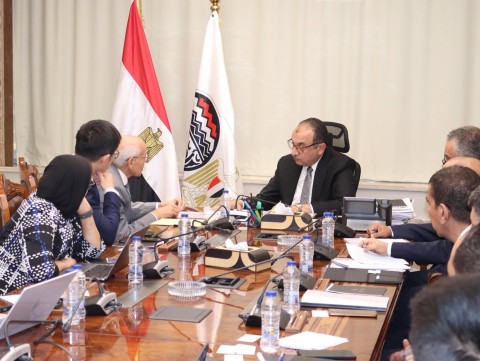
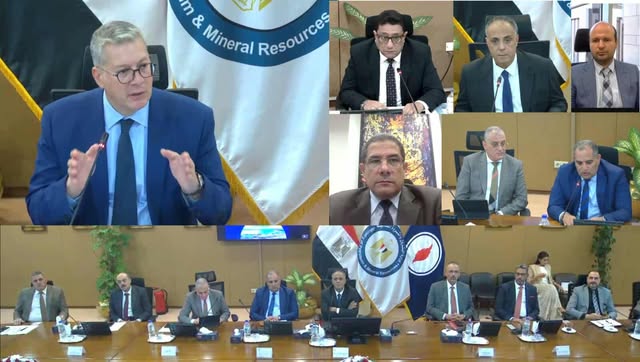
Speaking at the company’s general assembly meeting, headed by Karim Badawi, Minister of Petroleum and Mineral Resources, Massoud further shed light on the progress made on the port’s northern expansions, carried out by Petrojet, the engineering and construction giant specializing in large-scale petroleum and energy infrastructure projects. He also underlined the ongoing southern expansion works, noting that the developments aim to establish Al-Hamra Oil Port as a distribution hub for petroleum products, with a storage capacity of 130,000 tons, serving Al Alamein and Egypt’s northwestern Mediterranean coast.
The northern expansion of Al Hamra Port involves the construction of two storage tanks, each with a capacity of 630,000 barrels of crude oil, bringing total northern storage to approximately 4 mmbbl. The southern expansion is being executed in two phases: the first phase includes two diesel storage tanks of 20,000 tons each, while the second phase adds three diesel tanks of 10,000 tons each, two jet fuel tanks of 20,000 tons each, and an additional diesel tank of 20,000 tons.
For his part, Minister Badawi described Al-Hamra Port as “one of the most strategic pillars of Egypt’s petroleum infrastructure.” He noted that the port has grown beyond a crude oil handling hub to become a regional platform for attracting foreign investment, supported by its strategic location and expanding storage capacity.
He urged that port development be accelerated in coordination with counterparts at Fujairah Port in the UAE, whose expertise can help elevate Al-Hamra into a world-class energy hub. He also stressed that proactive environmental measures should remain a top priority within the petroleum sector’s operational framework.
Al-Hamra Port is located at a distance of 15 km from Al-Alamein traffic station and about 120 km west of Alexandria near the oil wells of the Western Desert. It is part of the Egyptian state’s broader strategy to become a regional center for energy storage, trading, and logistics.