Features / Overview

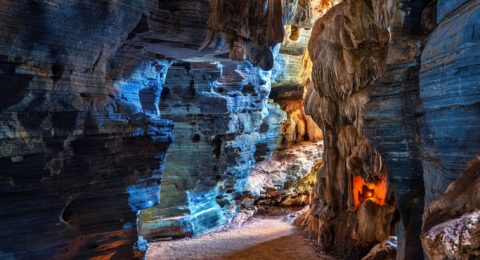
Digging Deeper for Egypt’s Rich Rocks

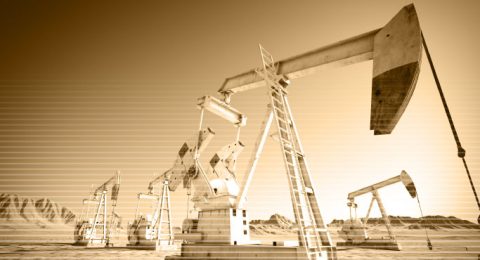
Egypt is blessed with featured geological nature that has allowed it to have different compositions that host various minerals and petroleum resources. The geology of Egypt consists of three layers, according to report issued by University College London. Most of the surface of modern Egypt is covered by a layer of limestone; under this, lies a bed of sandstone. While this sandstone layer is the surface rock in Nubia and southern Upper Egypt. The oldest layer includes outcrops of metamorphic and igneous rocks. The Nile River passes through sandstones and limestones from Sudan to the North of Egypt. These sandstones and limestones are forming the sedimentary rocks from which oil and gas are produced.

Egypt’s CNG Initiative Dawns A Bright Future

Egypt has taken prominent measures to convert vehicles into compressed natural gas (CNG) ones. These steps include the timely presidential initiative launched in January 2021 to increase the number of vehicles using CNG as fuel. The country provides CNG through compressing natural gas to be lower than its standard atmosphere volume pressure by less than 1%. Afterward, the produced CNG is stored at a pressure of 24,821 Kilopascals (kPa), according to the Alternative Fuels Data Center (AFDC). Through the pressuring process, Egypt provides its people with an alternative fuel that will enhance the economy and surrounding environment.

Renewable Resources Empower Egypt Energy Hub Endeavor

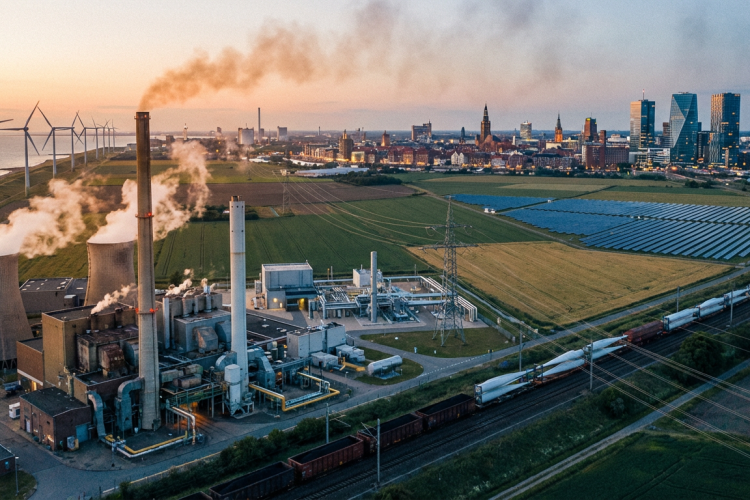
Over the past few years, Egypt has taken proactive constant steps to become a hub for trading and exporting energy. In 2016, a high committee was formed to implement this strategy as a part of Egypt’s vision 2030 for sustainable development. Egypt’s plan to become an energy hub will secure the domestic needs of energy, support economic development, provide more foreign currency and perfectly exploit Egyptian infrastructure. In addition, this strategy will provide more opportunities for investments.

Unleashing Treasures in Egypt’s Western Desert

There is an undeniable growing tendency from the government, international companies, and geoscientists to the Western Desert in Egypt. Accelerating trends of Western Desert represent an unprecedented global consensus in the oil and gas industry. This is actually quite typical as conventional oil and gas fields in the Gulf of Suez are nearing maturity and becoming brownfields. Consequently, market players in oil and gas industry have shifted their focus toward the potential of the Western Desert due to its favorable geographical location which covers two-thirds of Egypt.

HR Golden Roles: The Response to The New Normal

The world has passed through an unprecedented challenging time as a result of Covid-19. It had a negative impact on most of the industrial sectors, particularly the oil and gas sector. This pushed many companies to rethink about how to improve their performance to keep their long-term sustainability as well as manage their workforce. The Human Resources (HR) department is the key player in this regard.

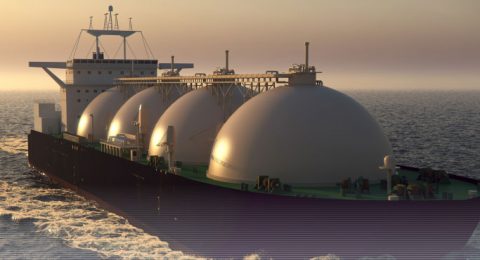
The Burgeoning of Egypt’s LNG Hubs

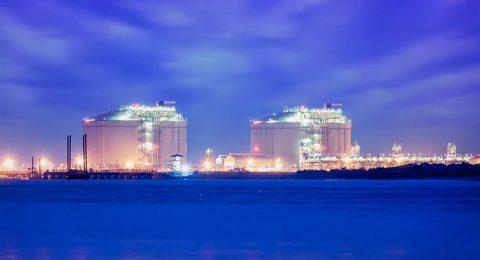
The liquefied natural gas (LNG) scene has witnessed a remarkable change in 2020 and actually this change was inevitable and imperative due to the COVID-19 pandemic; the crisis that revealed how Egypt could be an active exporter of LNG despite any circumstances. It could even reach a huge milestone by restarting the long-awaited Damietta LNG Plant after eight years of hiatus. To review the ebb and flow of the market, it is important to look at how both plants, Idku and Damietta, performed in 2020.

A Glimpse into our Journey: Raising Awareness, Fostering a PSM Culture

Methanex, in collaboration with the Egyptian Petrochemicals Holding Company (ECHEM), started a partnership in 2018 to raise awareness about Process Safety Management (PSM) within the petrochemical sector. In doing so, they hosted two conferences in 2018 and 2019 bringing together more than 800 representatives from various companies of the oil and gas industry. The success which the conferences brought highlighted the importance of PSM systems and started a dialogue on PSM best practices.

Keeping the Economy Afloat Amid COVID-19

The past year, 2020, has been undeniably one of the most challenging years for the whole world, not just Egypt. It has severed a deep cut across myriad aspects of our lives especially on the economic level. Almost the majority of global economies’ gross domestic product (GDP) has been slashed losing at least 2.4% of the value of their GDP in 2020. However, Egypt kept its GDP growth rate at 3.6% during the previous fiscal year (FY) 2019/20, withstanding the economic challenges presented by the coronavirus (COVID-19) pandemic.

Egypt’s Oil and Gas Partnerships: A Silver Lining Amid Industry Crisis

2020 was dominated by coronavirus which affected most of the industries worldwide, but the Egyptian petroleum sector has a different story to tell. Despite the economic recession and lockdowns in most countries, the Egyptian oil and gas sector managed to keep adequate performance at many levels. However, cooperation and partnership agreements, conducted through our the year, can be seen as a cornerstone that reinforced the industry’s structure amid the pandemic crisis.

Revitalizing Egypt’s Refining Market

Oil brownfields are the backbone of the oil industry. According to a report from IHS Cambridge Energy Research Associates, two-thirds of the world’s daily oil production hails from mature fields. This figure is even greater in Egypt, and according to empirical data at Egypt Oil & Gas’ (EOG) “Future of Egypt’s Brownfield Development” roundtable, crude production from brownfields in Egypt makes up a resounding 77%.With the expansion and development of the Egyptian economy, the domestic demand for refined petroleum products has increased significantly. Having the means to satiate demand through local refineries is crucial to help ensure Egypt’s future development.

Page 7 of 14

Login

Welcome! Login in to your account

Remember me Lost your password?

Lost Password