

Features / Overview

Egypt’s Energy Pivot: Upstream Growth in the Mediterranean and Nile Delta

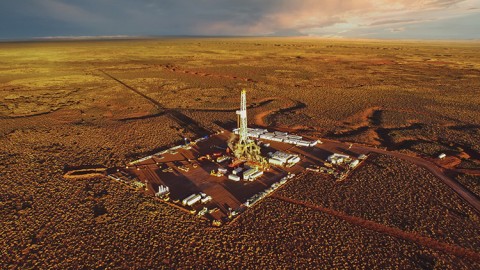
Egypt is embarking on a defining new chapter in its energy sector, placing the vast, gas-rich potential of the Mediterranean Sea and Nile Delta at the forefront of a national upstream revitalization. The government's recently unveiled five-year exploration master plan will channel $5.7 billion in investments to drill 480 new wells by 2030, a strategic pivot designed to reverse production declines and cement Egypt's status as a premier regional energy hub. While the plan spans Egypt’s key hydrocarbon provinces, its center of gravity lies in the deep waters and complex geologies of the Mediterranean and Delta, regions that hold the key to the country's next wave of energy security and export growth.

From Resources to Resilience: Egypt’s Energy Transformation Story

At the crossroads of continents, where trade routes meet and civilizations have risen for thousands of years, Egypt stands at the heart of a global transformation, a powerhouse shaping the future of energy. This is the story of a sector rising with purpose, a nation transforming its resources into momentum, and a region finding in Egypt not just a partner but a gateway.

Western Desert’s Next ACT: Oil-Rich, Gas-Driven, Tech-Powered

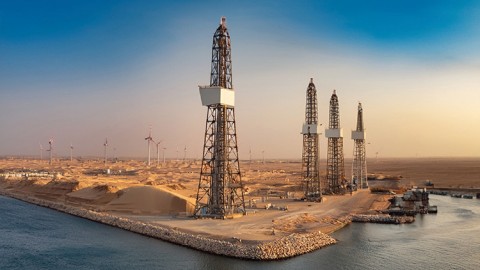
Spanning nearly two-thirds of Egypt’s landmass, the Western Desert remains one of the country’s most productive and technically challenging hydrocarbon provinces. Once defined mainly by oil production, the region has steadily evolved into a key source of natural gas and a testing ground for advanced exploration and recovery technologies. In 2025, a new wave of discoveries, reinvestment, and contract renewals is reaffirming the basin’s strategic importance to Egypt’s energy future.

Egypt’s Petrochemical Push: A New Era of Industrial Growth

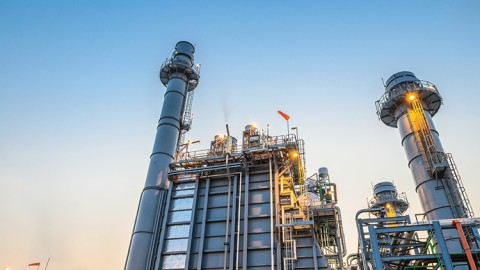
Egypt is actively reshaping its petrochemical industry into a high-value, globally competitive manufacturing hub. This transformation is guided by the National Petrochemical Plan, a strategic blueprint designed to localize production, diversify the economy, reduce dependence on imports, and significantly boost exports. At its core, the plan is driven by the goal to utilize  Egypt’s abundant natural gas and oil reserves, turning it to  value-added products.

Gas Supply Challenges: Egypt’s Path to Energy Stability

Egypt, once a net exporter of natural gas, is now grappling with a significant energy challenge caused by natural gas shortage. This situation has put immense pressure on the nation's electricity grid, particularly during the peak summer months when demand for air conditioning soars. To address this critical issue and ensure a stable power supply for its citizens and industrial sector, the Egyptian government is pursuing a multi-faceted strategy.

Egypt’s Mining Renaissance: From Untapped Reserves to Harnessing Potential

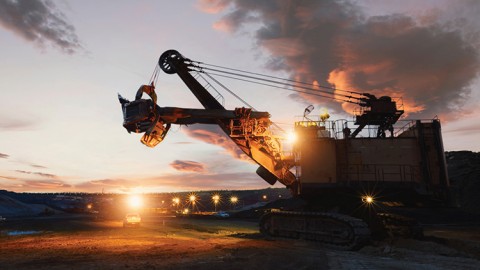
Overlooked for years, Egypt’s mining sector is now drawing strong interest from both the government and investors. In the last 4–5 years, it has undergone sweeping legal and organizational reforms, including regulatory amendments and the emergence of economically viable minerals. Investor appetite intensified since 2020 following changes to the 2014 mining law, which eliminated the requirement for companies to enter into 50–50 joint ventures with the government. Egypt also replaced its production-sharing model with a royalty and tax-based system — a shift long advocated by global mining players.

Egypt’s Hydrogen Vision: Towards A Low-Carbon Energy Hub

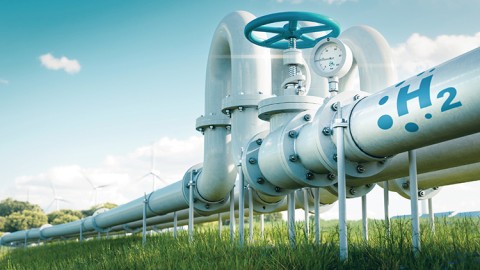
As the global energy landscape undergoes a profound transformation, driven by the urgent need for decarbonization and enhanced energy security, hydrogen has emerged as a versatile and promising solution. For Egypt, a nation with a rich history in energy production and a strategic geographical position, this burgeoning hydrogen revolution presents a unique opportunity. Recognizing this potential, Egypt has boldly charted its course with the unveiling of its National Low-Carbon Hydrogen Strategy.

The Path Forward: Capacity Building in Egypt’s Energy Sector

The Egyptian oil and gas sector stands at the crossroads of opportunity and challenge, driven by the increasing demand for energy and the rapid adoption of advanced technologies. At the heart of this transformation lies the need for a highly skilled workforce—an essential pillar for ensuring sustainable growth and global competitiveness. A skilled workforce promises a brighter future for the sector, enabling innovation, operational excellence, and resilience in the face of evolving industry demands.

Flying Green: The Role of Sustainable Aviation Fuel in Emission Reduction

The aviation sector plays a significant role in global greenhouse gas emissions, accounting for a notable portion of the transportation industry’s carbon footprint. As the world strives to meet the ambitious targets set by the Paris Agreement, it becomes increasingly clear that transformative changes are essential within this challenging sector. One of the most promising developments in this arena is the establishment of the Sustainable Aviation Fuel Company (ESAF) in Egypt.

Powering The Future: Women at The Forefront of Egypt’s Energy Sector

The energy sector is undergoing a significant transformation, and the role of women is becoming increasingly critical to its future. Increasing women’s and girls’ educational attainment contributes to women’s economic empowerment and more inclusive, environmentally sustainable economic growth. To support women in the energy sector and realize future ambitions, strategic partnerships between educational institutions and energy companies are essential.

Page 1 of 14

Login

Welcome! Login in to your account

Remember me Lost your password?

Lost Password