
Features / Energy Transition

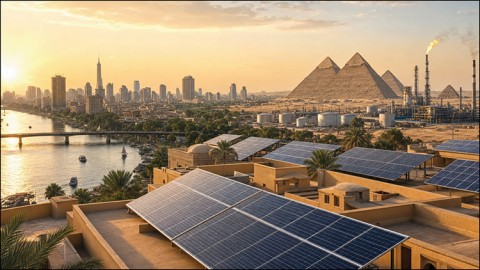
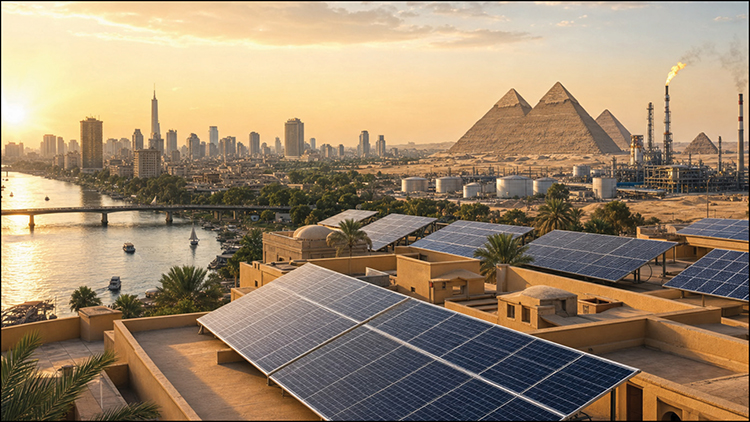
Rooftop Revolution: Solar Energy Is Reshaping Egypt’s Oil and Gas Future

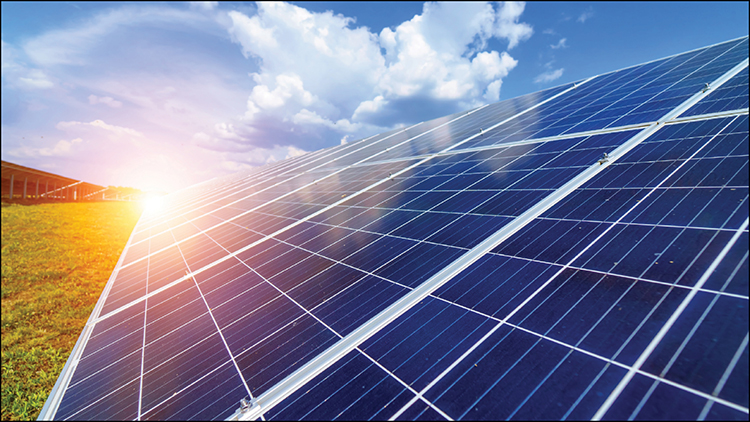
As climate pressures intensify and global energy markets shift toward lower-carbon systems, arid countries like Egypt are finding themselves at the center of a new energy equation. With abundant sunlight, expanding industrial zones, and growing electricity demand, Egypt is increasingly positioning solar energy as a key pillar of its economic and energy future.

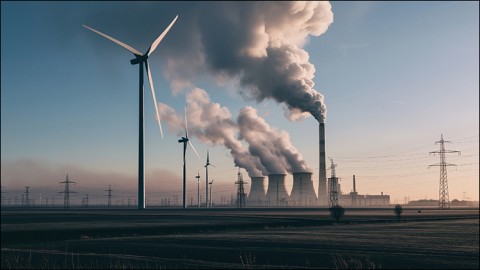
The Energy Transition Reality Check: Why Fossil Fuels Still Dominate Beyond Power

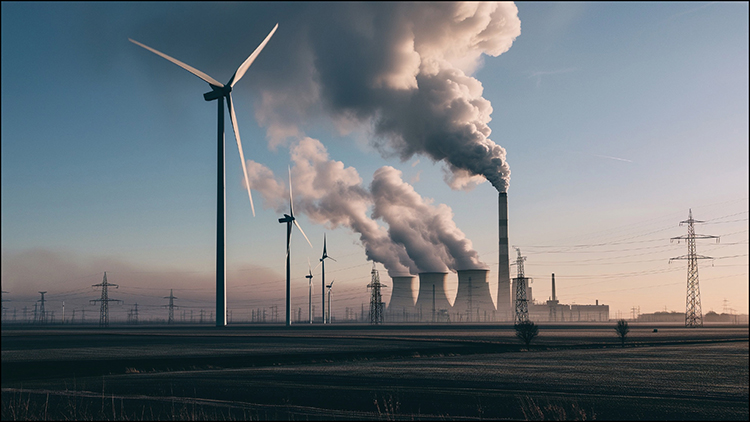
The global energy transition is advancing at a pace that would have seemed improbable just a decade ago. Solar and wind capacity additions continue to break records year after year, and clean energy is now the primary driver of growth in electricity generation worldwide. Yet this progress coexists with a less visible but critical reality: fossil fuels remain dominant across the broader energy system. In 2024, global energy demand grew by approximately 2.2%, with oil, gas, and coal all increasing in absolute terms. Thus, fossil fuels still account for roughly 80–81% of total primary energy consumption. This persistent dominance highlights a structural imbalance; renewables are scaling rapidly, but not  fast enough to displace fossil fuels across all sectors.

Critical Minerals: A Strategic Opportunity For Egypt In The Energy Transition

As the global energy transition accelerates, critical minerals are becoming increasingly central to the development of clean energy technologies. Minerals such as lithium, cobalt, nickel, copper, rare earth elements, and titanium-bearing minerals are essential for manufacturing solar panels, wind turbines, electric vehicles, and energy storage systems.

The Hybrid Pivot: Engineering A New Era of Grid Reliability in Egypt

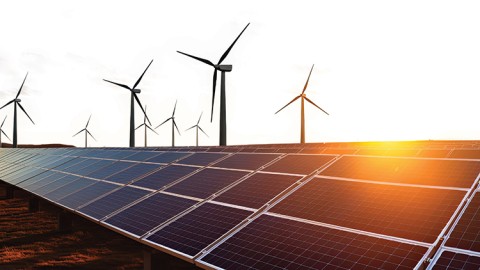
Egypt’s renewable energy ambitions have accelerated significantly over the past decade, driven by rising electricity demand, fuel price volatility, and a national strategy to diversify the energy mix. With a target to increase the share of renewables in electricity generation to 42% by 2030, Egypt has positioned itself as a regional leader in large-scale solar and wind deployment.

Carbon Markets, CCUS, and Egypt’s Role in Regional Emissions Management

As global climate action moves beyond ambition and into implementation, Egypt is increasingly confronted with the challenge of reconciling economic development, energy security, and emissions reduction. While renewable energy remains the cornerstone of Egypt’s long-term climate strategy, the structure of the national energy system means that fossil fuels (particularly natural gas) will continue to play a dominant role for decades. In this context, carbon markets and carbon capture, utilization, and storage (CCUS) are emerging as complementary tools that could help Egypt manage emissions while sustaining industrial growth.

Powering The Future: How Egypt Scaled Up Renewables in 2025

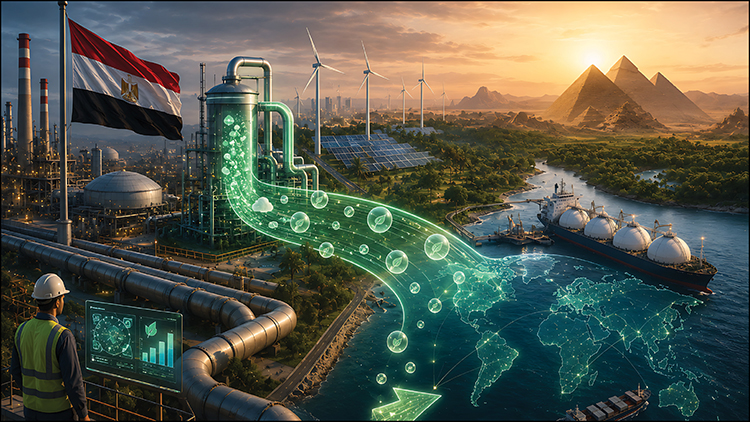
Egypt’s renewable energy journey reached a defining phase in 2025. This past year has witnessed the country’s efforts to consolidate capacity, scale production, and re-calibrate strategy. While green hydrogen initially was represented as a solution for energy decline, real progress during the year came from solar and wind deployment, institutional reform, and a national expansion strategy that increasingly prioritizes domestic integration.

Page 1 of 1

Login

Welcome! Login in to your account

Remember me Lost your password?

Lost Password