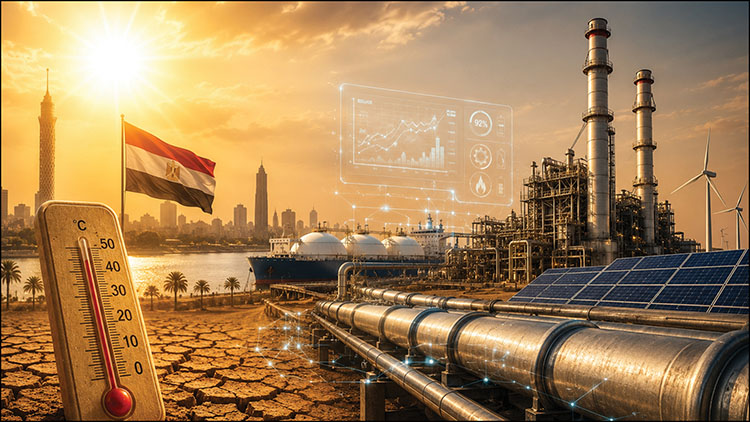
Egypt’s intensifying summer heat is no longer a seasonal inconvenience; it is emerging as a defining challenge for the nation’s energy system. Rising temperatures are straining pipelines, regasification units, and gas‑fired power plants at the very moment electricity demand surges, creating a costly cycle of higher fuel consumption, accelerated asset wear, and heightened risk of outages. Consequently, the country’s resilience now hinges on a dual response: deploying advanced digital tools to safeguard oil and gas operations, while expanding renewable energy to ease dependence on fossil fuels and strengthen long‑term energy security.
Heating Up Demand
Egypt is expected to continue to warm at a pace above the global average. Relative to pre‑industrial levels, temperatures between 2081 and 2100 are projected to rise by about 2.5°C under a low‑emissions pathway and nearly 6°C under a high‑emissions scenario. This intensifying heat, compounded by rapid urbanization and population growth, is expected to drive a sharp increase in extreme heat events and electricity demand for cooling, according to the International Energy Agency (IEA).
Across much of North Africa, seasonal temperatures have risen at twice the global average, driven by human‑induced climate change, with heat extremes and warm-season conditions becoming more frequent and more severe—conditions that directly translate into higher cooling needs for homes, offices, and public services, according to the Sixth Assessment Report issued by the Intergovernmental Panel on Climate Change (IPCC), which is a United Nations (UN) body that provides nations with scientific climate change assessment.
In addition, this warming, combined with significant population growth, has created a ‘feedback loop’ of rising electricity demand in Egypt. Because residential and commercial buildings are often thermally inefficient, they rely heavily on mechanical cooling, forcing the energy sector to ramp up production to meet peak summer loads, according to a journal published by MDPI Open Scientific Publisher, a leading open-access publisher of peer-reviewed scientific journals, in May 2026.
Egypt’s electricity demand during the Summer of 2026 alone is expected to increase by 8% compared to Summer of 2025, as revealed by Mahmoud Esmat, Minister of Electricity and Renewable Resources, in June.
As a result, Egypt remains highly dependent on fossil fuels for electricity generation, which places intense pressure on oil and gas infrastructure to deliver reliably under the same conditions that reduce efficiency and elevate operational risk.
Strained Energy Infrastructure
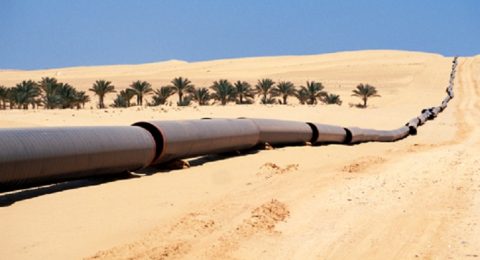
The operational strain of extreme heat impacts oil and gas pipelines leading the hydrocarbon to expand and to increase pressure according to Forbes. This challenge does not stop at pipelines; it extends across Egypt’s wider energy infrastructure, from turbines to digital control systems, amplifying vulnerabilities during peak demand.
Mohamed Ali, Energy Digital Transformation Manager at the Egyptian General Petroleum Corporation (EGPC), explains that “rising temperatures are not only an operational challenge but also a data and asset management challenge. Higher temperatures can reduce the efficiency of critical equipment, increase cooling requirements, accelerate asset degradation, and raise the likelihood of unplanned outages. As energy demand typically increases during extreme heat events, infrastructure operators must maintain reliable operations under greater stress.” Ali emphasizes that resilience now depends on the ability to collect, analyze, and act upon operational data in real time, with digitalization—through IoT sensors, predictive analytics, and digital twins—emerging as a key enabler for anticipating failures before they occur.
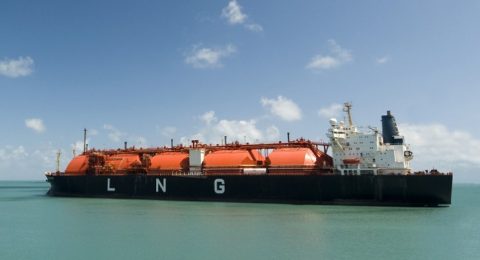
Complementing these digital resilience measures, the Ministry of Petroleum and Mineral Resources (MoPMR), in close coordination with the Ministry of Electricity and Renewable Energy (MoERE), are advancing the state’s summer energy security plan to guarantee sufficient fuel supplies for power generation and industrial operations. Egypt’s liquefied natural gas (LNG) import system continues to function efficiently through regasification vessels that receive cargoes and channel natural gas into the national grid. At the same time, the Damietta LNG plant serves as a strategic hub for storing imported volumes and re‑injecting them when required, ensuring reliable energy availability alongside domestic gas production. This dual approach—digital innovation and fuel security—illustrates how Egypt is working to stabilize its energy system under intensifying heat stress.
Sherif Salah, Energy Regulation and Market Design Expert, highlights the direct impact on power generation by stating that, “High temperatures cut gas‑plant efficiency because turbines perform best with cooler intake air. In heatwaves, hot air is less dense, so turbines generate less electricity from the same fuel. The challenge in Egypt is that this happens at exactly the same time electricity demand is at its highest because of air conditioning.” He also notes that while combined‑cycle plants and inlet air cooling systems can reduce losses, they also increase the needed investment and operating costs.
Also, renewables are not immune to heat stress. For example, solar panels lose efficiency as their temperature rises, and high temperatures can alter wind conditions, reducing output from wind farms. Nevertheless, despite the challenges of heat‑induced efficiency losses in solar panels and altered wind conditions, Salah stresses that Egypt’s renewable projects remain highly competitive. “Egypt still has excellent solar and wind resources, so these projects remain highly competitive. Developers already account for local weather conditions when estimating how much electricity a project will generate over its lifetime,” Salah notes.
Accordingly, Egypt is steadily diversifying its power generation portfolio by scaling up renewable energy projects and advancing energy storage technologies. These efforts aim to strengthen grid stability during peak demand periods while elevating the quality and efficiency of electricity services across the country.
Leveraging AI for Energy Resilience in Egypt
The combined effect of reduced efficiency and higher demand translates into escalating costs. Specifically, fuel consumption rises, maintenance cycles shorten, and the risk of outages grows. Consequently, Egypt’s reliance on natural gas for power generation means that every megawatt lost to heat inefficiency requires additional fuel, tightening the balance between domestic consumption and export potential.
To address this, digitalization and predictive maintenance, as Ali underscores, are essential to shift from reactive to proactive asset management. “Artificial intelligence can analyze large volumes of historical and real-time data to identify patterns associated with heat-related degradation, enabling predictive maintenance strategies that reduce downtime and improve asset reliability. Furthermore, digital platforms can provide early warning indicators, risk-based maintenance recommendations, and operational optimization insights, helping organizations transition from reactive maintenance to proactive asset management,” Ali points out.
“Looking ahead, as transport and other sectors become more electrified, renewable energy can also reduce the country’s dependence on oil products. This improves energy security and reduces pressure on foreign currency by lowering fuel imports and allowing more natural gas to be exported instead of consumed domestically,” Salah explains, underscoring the broader strategic benefits of clean energy expansion.
In Egypt, the intensifying summer heat is reshaping energy reliability from a manageable seasonal issue into a national systems challenge. As temperatures rise, they simultaneously drive higher electricity demand and undermine the performance of both fossil-fuel infrastructure and electricity generation capacity—compressing margins for operators and increasing the likelihood of outages. This creates a difficult, compounding cycle: inefficiencies raise fuel consumption, accelerating wear and maintenance needs while amplifying operational risk at the very moment loads peak.
Accordingly, the strategy for success is twofold: utilizing digital innovation to predict and manage climate risks, while rapidly scaling up renewable energy to reduce reliance on traditional fuels. By integrating predictive analytics with a robust expansion of solar and wind capacity, Egypt can protect its power systems against extreme weather, bolster long-term energy security, and enhance its ability to export power. Ultimately, these environmental pressures offer a strategic opportunity to upgrade infrastructure, diversify the energy mix, and secure a more resilient and sustainable future.