OPEC Cuts Necessary for High Oil Prices: Qatar
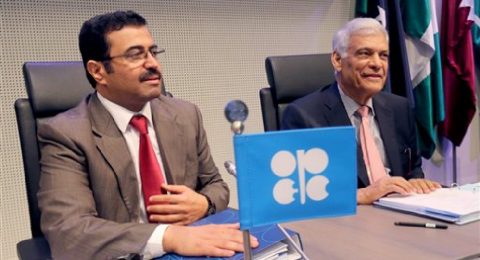
Qater has affirmed the need to maintain current oil supply curbs over the long-term to ensure the market continues to stabilise and guarantee that prices fully recover from the 2014 crash.
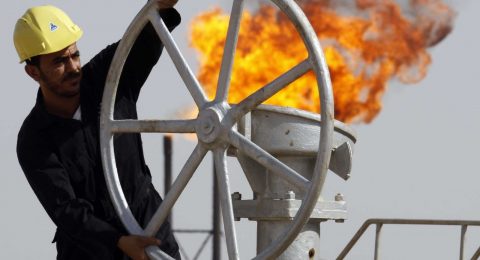
In accordance with the OPEC, non-OPEC agreement, spearheaded by Russia and agreed in early 2017 to cut supply and boost prices, Iraq is currently producing 4.4 million barrels per day (mb/d).
Iraq may have double the current estimated amount of oil reserves, the country’s oil minister Jabar Al-Luaibi said.
A number of oil exporting countries have suggested a six-month extension to the supply cut deal agreed by OPEC and non-OPEC nations.
Riyadh and Moscow are considering extending Russia’s current short-term alliance with OPEC to curb oil production that began in January 2017 after a crash in crude prices.
Saudi Aramco signed preliminary cooperation agreements worth $10 billion with numerous leading oil services companies during Crown Prince Mohammed bin Salman's visit to the US.
Saudi Aramco affirmed that their plants and facilities in the Najran province are fully operational, after reports of a short-range ballistic missile being fired towards an Aramco facility.
American imports of Saudi crude oil dropped to 943 b/d in 2017, a 14% decrease from 2016, according to US government statistics.
Saudi Arabia exported a record amount of gasoline and diesel in January 2018, helping the kingdom to offset the crude production cuts mandated by OPEC.
The Saudi Arabian Ministry of Energy has announced that crude exports will remain below 7 million barrels per day (mb/d) and crude production will stay under 10 mb/d during April 2018.