OPEC-led Group Able to Cover Supply Shortage: Russian Energy Minister
Russian energy minister Alexander Novak has expressed confidence that the OPEC-led group of crude exporters are capable of covering potential supply shortages.

Russian energy minister Alexander Novak has expressed confidence that the OPEC-led group of crude exporters are capable of covering potential supply shortages.
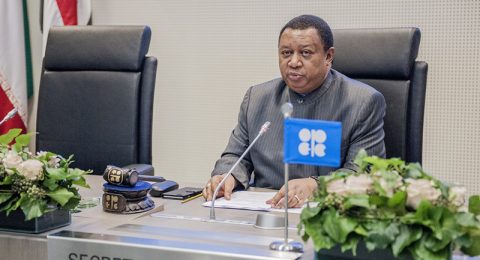
Global oil demand is expected to reach 100 million barrels per day (b/d) later this year, much earlier than previously expected, OPEC Secretary-General Mohammad Barkindo stated on September 5.
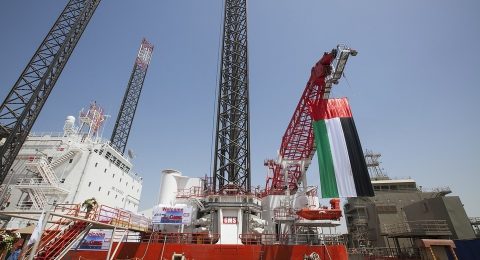
The UAE is raising its crude production to almost 3 million barrels per day (b/d) by increasing output from its offshore Umm Lulu oilfield.

Signatories to the OPEC non-OPEC supply cut agreement reduced production in July by 9% more than agreed, according to an official committee.
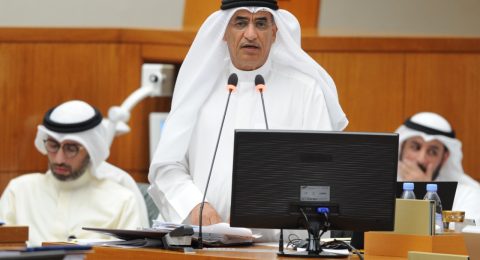
OPEC and non-OPEC petroleum producing countries will agree to introduce a mechanism for monitoring crude oil production before the end of 2018, Kuwaiti Oil Minister Bakheet Al-Rashidi stated.

Saudi Arabia was forced to cut oil production by more than 200,000 barrels per day (b/d) last month after OPEC’s forecasted demand figures were lower than expected, raising concerns about oversupply.
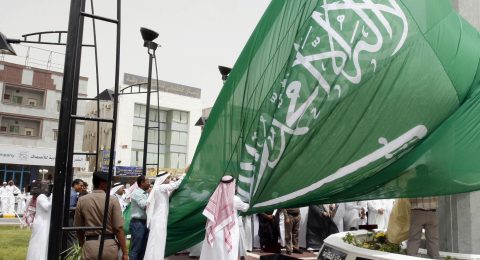
Saudi Arabian crude exports are expected to drop by roughly 100,000 barrels per day (b/d) in August as the country refrains from oversuppling the market, the kingdom's OPEC governor stated on July 19.

Saudi Arabia is looking to increase its oil exports to Asia, according to anonymous sources.
Abu Dhabi National Oil Company (ADNOC) revealed on July 3 that it has the ability to increase oil production by several hundred thousand barrels per day (b/d).
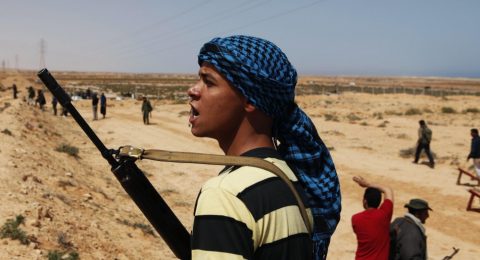
Libya has declared a force majeure on significant ammounts of its supply, pushing oil prices to highs not seen since 2014.