
New Bahrain Oilfield to Produce 200,000 b/d
Bahrain expects to produce 200,000 b/d from its newly-discovered oilfield, according to the head of the financial and economic committee in Bahrain's parliament, Abdulrahman Bu Ali,
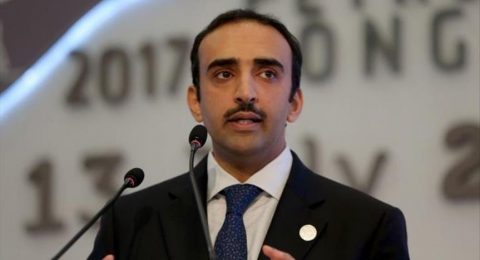
Bahrain expects to produce 200,000 b/d from its newly-discovered oilfield, according to the head of the financial and economic committee in Bahrain's parliament, Abdulrahman Bu Ali,
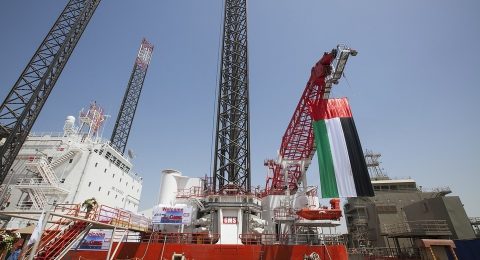
UAE emirate Ras al-Khaimah (RAK) launched its first petroleum licensing round on April 2 for exploration and development contracts in seven areas.
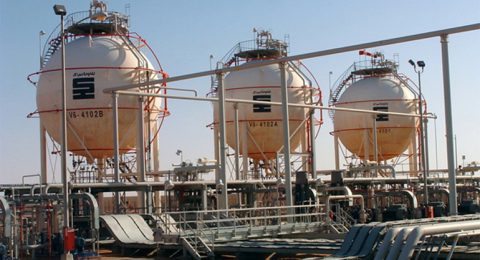
Total, Algerian state-owned Sonatrach, and Cespa have started production from the Timimoun natural gas project in Wilaya de Adrar in southwestern Algeria.
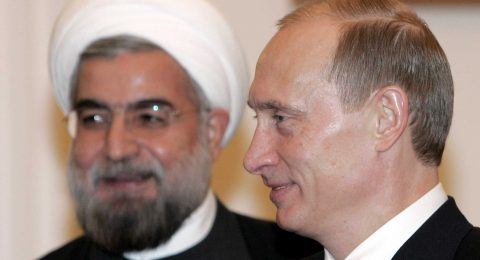
Russian presidential aide Yuri Ushakov announced on April 2 that Russia could invest more than $50 billion in Iranian oil and gas fields.
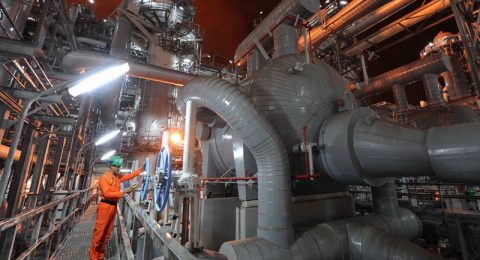
Qatargas announced signing a memorandum of understanding (MoU) with the Electricity Generating Authority of Thailand (EGAT) for Liquid Natural Gas (LNG) cooperation.
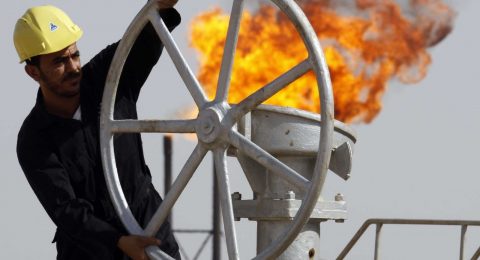
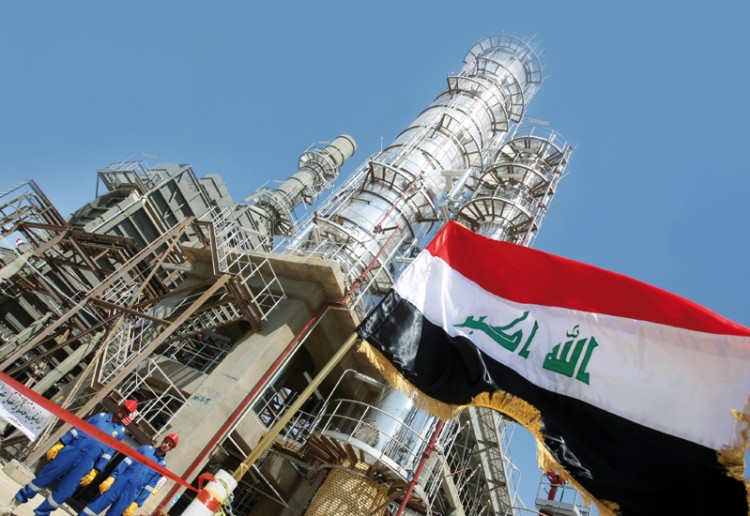
In accordance with the OPEC, non-OPEC agreement, spearheaded by Russia and agreed in early 2017 to cut supply and boost prices, Iraq is currently producing 4.4 million barrels per day (mb/d).
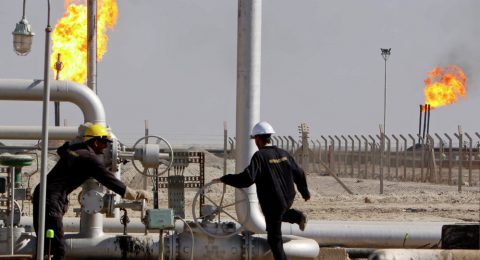
Some 16 companies, including Exxon, Chevron, and Total, have expressed interest in 11 Iraqi oil and gas fields, the bidding for which takes place on April 15.
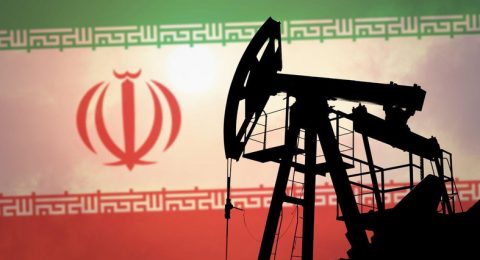
China, India, Japan, and South Korea imported a total of 1.63 million barrels per day (mb/d) in February, the lowest levels since December and a 20% decline from February 2017.
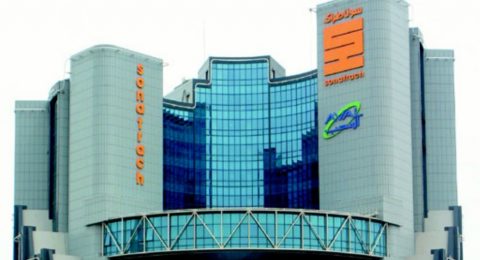
Anadarko, Total, Eni, and Statoil are interested in joining the Algerian state oil company Sonatrach to develop offshore drilling in the North African country.
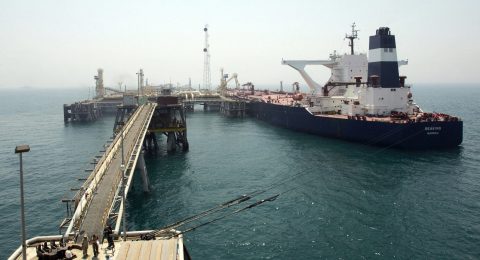
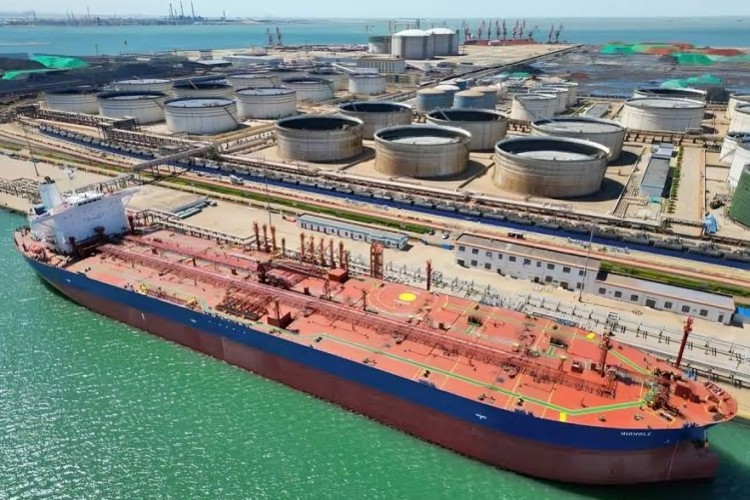
Iraq exported 3.453 million barrels per day (mb/d) of crude oil from its southern ports in March, a slight increase from the numbers for February, which marked the third month in a downward trend.