The United States (US) is set to import around 600,000 barrels per day (bbl/d) of crude oil from the Middle East in August, marking the highest level since the Iran war began, as a temporary reopening of the Strait of Hormuz and alternative shipping routes push regional barrels toward US refiners, Reuters reported.
Ship-tracking data showed that nearly a dozen tankers carrying Middle Eastern crude were heading toward US ports, while American refiners and traders moved to secure supplies that became available during a brief easing of restrictions on shipping through the Strait of Hormuz.
The increase follows a memorandum of understanding (MoU) between the US and Iran in June that temporarily allowed vessels to exit the strategic waterway. The reopening enabled additional Middle Eastern crude to reach global markets after months of disruptions caused by the conflict.
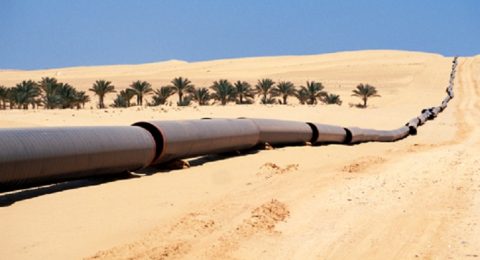
Saudi Arabia has also redirected some crude from its eastern fields to the Red Sea port of Yanbu through a domestic pipeline, allowing shipments to bypass the Strait of Hormuz. From Yanbu, some cargoes have been routed through the Suez Canal as security risks around the Bab el-Mandeb Strait have made southern routes less attractive.
The shift has made the US a more competitive destination for some Middle Eastern crude cargoes because of shorter shipping times compared with Asian markets, according to the Reuters report.
The US had received little or no crude from Saudi Arabia and Iraq for several weeks before the recent shipments. At the same time, around two dozen very large crude carriers (VLCCs) were reportedly heading toward the US, reflecting efforts by refiners and traders to secure available barrels amid tighter Middle Eastern supplies.
Earlier in August, Gulf crude oil and condensate exports remained around 40% below pre-war levels in July despite holding relatively steady at about 10.7 million bbl/d. Shipping activity through the Strait of Hormuz and Bab el-Mandeb remained well below normal, while attacks on vessels increased. Saudi Arabia and the UAE also experienced lower exports, whereas Iraq’s exports increased significantly during the month.