The reopening of the Strait of Hormuz has eased immediate concerns over global energy supplies. Still, the economic fallout from more than three months of shipping disruptions is likely to persist across vulnerable economies, particularly those dependent on imported oil and food, according to a new United Nations Conference on Trade and Development (UNCTAD) report on June 30.
UNCTAD said the reopening of the maritime corridor marks the beginning of a gradual recovery for global energy markets and international trade. However, supply chains, shipping networks, and inflationary pressures will take longer to normalize than crude oil prices, leaving many developing economies exposed to higher import costs and weaker economic resilience.
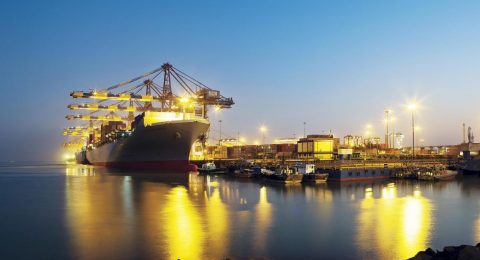
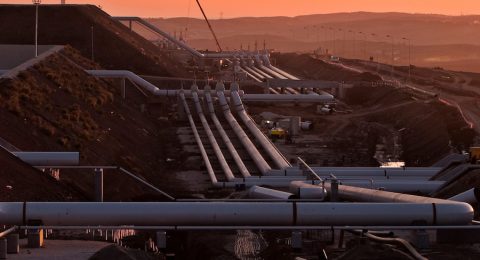
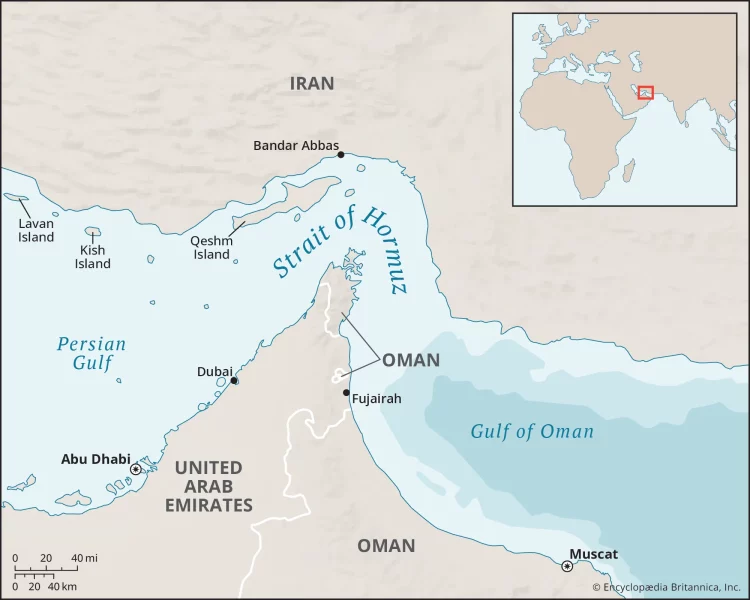
The Strait of Hormuz, a vital energy chokepoint that carries around one-fifth of the world’s oil and liquefied natural gas (LNG) trade, experienced severe disruptions during the conflict that followed joint US-Israeli strikes on Iran in late February. According to UNCTAD, daily vessel transits through the strait fell sharply during the crisis before beginning to recover following the announcement of a ceasefire and the reopening agreement.
While Brent crude prices have retreated to nearly pre-conflict levels (around $73 per barrel), UNCTAD noted that transport costs respond more slowly to market shocks.
Higher oil and natural gas prices increased the cost of nitrogen-based fertilizers, raising agricultural production expenses while also driving up transport and logistics costs.
The report identified 61 vulnerable economies facing simultaneous exposure to higher energy and food import costs. Small Island Developing States (SIDS) are among the most at risk because many rely heavily on imported petroleum products to meet domestic energy demand.
Cabo Verde, for example, imports oil products equivalent to 24.6% of its Gross Domestic Product (GDP), making it particularly vulnerable to fuel price volatility. Countries with dependence on imported staple foods, including Yemen, also face heightened risks as higher fuel prices increase grain transportation costs while fragile public finances limit governments’ ability to shield consumers from inflation.