Prime Minister Mostafa Madbouly reaffirmed the government’s full support for the petroleum and petrochemical refining sectors, emphasizing that achieving self-sufficiency in products such as gasoline and diesel is a national priority to reduce the import bill.
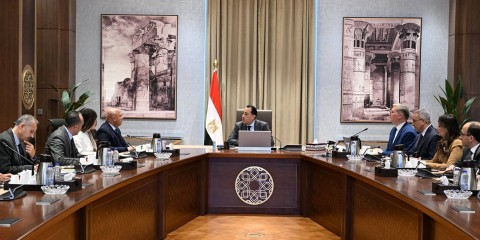
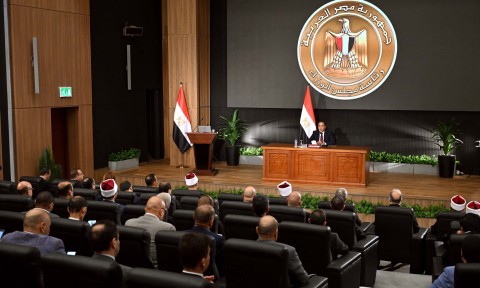
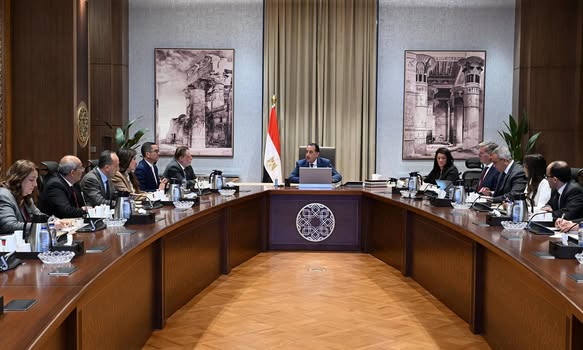
This came during the Prime Minister’s high-level meeting at the New Administrative Capital on with state officials to review mechanisms to encourage investment and secure the necessary financing for refining projects, according to a statement by the Cabinet.
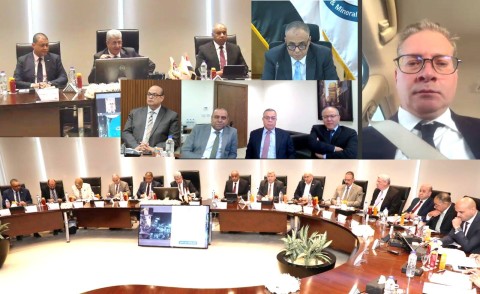
The meeting was attended by Hassan Abdalla, Governor of the Central Bank of Egypt (CBE); Rania Al-Mashat, Minister of Planning, Economic Development, and International Cooperation; Hassan El-Khatib, Minister of Investment and Foreign Trade; and Karim Badawi, Minister of Petroleum and Mineral Resources.
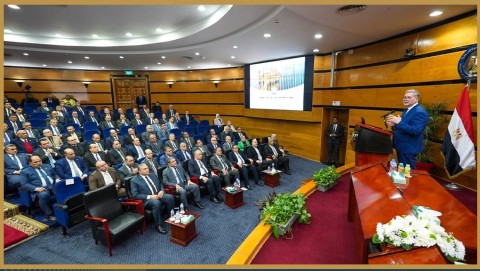
Badawi outlined the Ministry of Petroleum and Mineral Resources’ (MoPMR) current strategy, which focuses on several key pillars including meeting domestic demand through intensified exploration and production (E&P), maximizing value through refining and petrochemicals, and revitalizing the mining sector.
As part of the drive to maximize the economic yield of petroleum resources, Badawi presented a comprehensive plan for gasoline and diesel refining. This included a review of crude oil production figures from July 2021 through December 2025, alongside the design capacities and geographical distribution of national refineries in Cairo, Alexandria, Tanta, Suez, and Assiut.
Furthermore, Badawi detailed the specific crude oil volumes required to reach total self-sufficiency for gasoline and diesel, presenting a clear timeline to phase out imports. He highlighted ongoing refinery projects and the necessary financing to bring these facilities to their full operational capacities.
To secure this capital, Badawi announced that an upcoming meeting will be held with several investment banks to showcase opportunities within the petroleum and mineral resources sectors. He noted that the Ministry regularly reviews refining investment opportunities with both Arab and foreign investors to foster an attractive investment climate.
The MoPMR underscored the projected investment returns from these solar and gasoline projects, reiterating that state institutions are working as an integrated team to promote these opportunities.
This collaborative effort aims to provide a comprehensive reference for international banks and investors, highlighting the strategic importance of Egypt’s refining infrastructure in reducing fiscal pressure and ensuring energy security.
The shift toward “Refining Locally” has already yielded measurable economic gains. The petroleum refining sub-sector witnessed exceptional growth of approximately 44% in fiscal year 2024/25, reaching a value of EGP 0.522 trillion. This surge in downstream value helped offset declines in raw crude exports, demonstrating the success of the government’s strategy to capture higher profit margins by processing local feedstock into high-demand fuels.