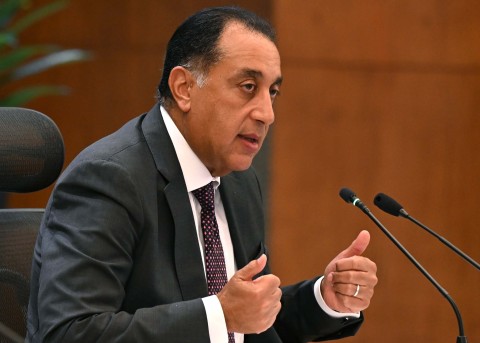
Egypt’s fuel prices are not solely determined by Brent crude benchmarks, but rather by a complex set of factors—including local production costs and arrears owed to and paid by the government to International Oil Companies (IOCs), according to Prime Minister Mostafa Madbouly.
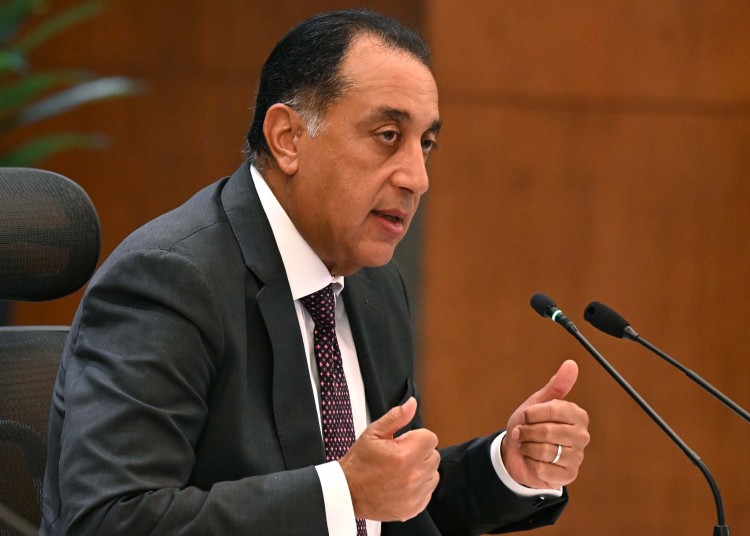
Speaking in a press Conference, Madbouly explained that during both the COVID-19 pandemic and the Russia–Ukraine crisis, the government deliberately refrained from raising fuel prices to avoid placing additional pressure on citizens.
To do this, the state shouldered huge financial burdens in the form of heavy subsidies, which it paid for through borrowing in the hope that the crisis would be short-lived.
These loans, according to the Prime Minister, created mounting pressure on the Egyptian General Petroleum Corporation (EGPC), which ended up carrying massive financial liabilities. “Therefore, we had to start adjusting fuel prices gradually to help EGPC regain part of its balance and sustainability so it can continue operating effectively,” he added.
The Prime Minister noted that the government has adopted a gradual increase in pricing approach, to reach the full cost recovery point by the end of 2025 rather than applying multiple smaller hikes that would prolong the duration of inflationary pressures.
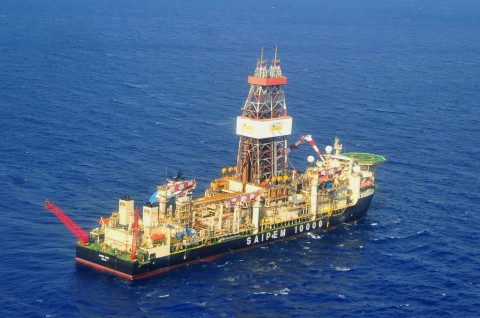
This approach enables EGPC to continue paying arrears to international partners, encourage further investment in exploration and production, and reduce reliance on imported fuels.
The government raised fuel prices for the second time this year in October in order to reduce subsidy burdens and settle outstanding IOCs debts. The rate of increase in different kinds of fuel ranged between 10.5-12.9% on a wide range of petroleum products, following a hike of nearly 15% in April.
While Market observers believe the move would push up inflation on the short term, Madbouly expected the inflation to drop 8-8.5% by the second half of 2026. He further noted that there will be no need for any additional fuel price increases for another year. “We have now reached a relative balance, with only slight price changes expected. Any future changes will be very minimal, and prices could even drop.”
In August 2025, Egypt’s annual headline inflation rate eased to 11.2%, down from 13.1% in July and 14.4% in June.