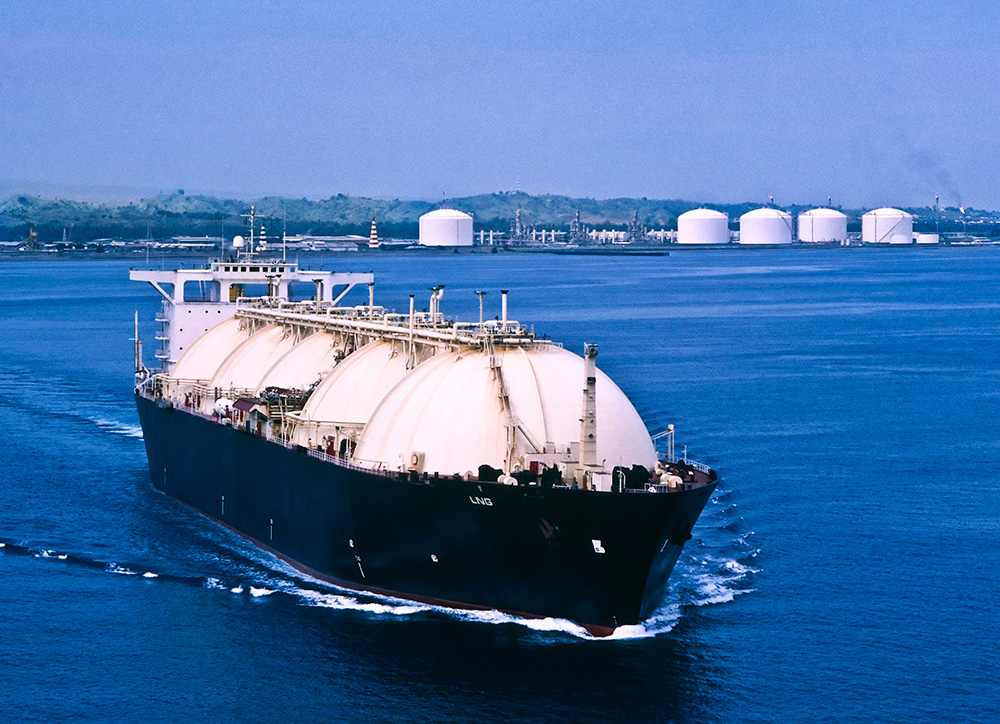
Liquefied natural gas (LNG) tanker traffic through the Strait of Hormuz rose to 31 laden vessels in October, the highest monthly volume since the US-Iran conflict disrupted shipping in February 2026, according to vessel-tracking data Reuters cited.
Data from S&P Global Energy, the global market intelligence company, showed that 23 of the tankers were loaded at Qatar’s Ras Laffan export terminal, while eight departed from the UAE’s Das Island. The October figure compares with 23 LNG tankers recorded exiting the strategic waterway in September, indicating a gradual recovery in regional LNG shipments.
Separately, ship-tracking data from Kpler, a global data and analytics company, showed 42 LNG cargoes loaded in October, up from 27 in September. Loadings at Qatar’s Ras Laffan terminal reached 35 cargoes, exceeding 2.7 million tons (mt), the highest level since the conflict began. However, this remained below Qatar’s February exports of nearly 6.2 mt.
“We are looking at UAE back to pre-war transit levels and Qatar at over 30% of pre-war Hormuz transits,” Eric Yep, senior principal analyst at S&P Global Energy, told Reuters.
The data also highlighted the use of ship-to-ship (STS) transfers to facilitate LNG deliveries. Two vessels carrying Qatari LNG that exited the strait subsequently transferred their cargoes off Oman’s Sohar anchorage. The SC Prestige transferred its shipment to the BW ENN Crystal Sky, which was heading to South Korea, while the Al Mafyar transferred its cargo to the Shandong Redwood and Ejnan, which delivered the shipments to Pakistan.
Meanwhile, LNG exports from the UAE’s Das Island remained broadly stable, with seven loadings in October, unchanged from September.
The Strait of Hormuz is a major shipping route connecting the Persian Gulf with international markets through the Gulf of Oman. It is particularly important for global LNG trade because Qatar, one of the world’s largest LNG exporters, relies on the waterway to transport its shipments to customers in Asia and Europe.
The disruption began following the outbreak of the US-Israeli war with Iran on February 28, which severely restricted maritime traffic and affected regional energy exports. Attacks on shipping and infrastructure, alongside security concerns, complicated the movement of oil and gas cargoes through the strait.
Qatar’s exposure is significant because its LNG exports depend on maritime access through Hormuz, leaving the country’s shipments vulnerable to prolonged disruptions. The conflict also damaged two LNG production units at Ras Laffan, reducing Qatar’s production capacity by around 17%, according to previous reporting by Euronews.
The October recovery therefore represents an improvement in shipping activity rather than a full restoration of regional LNG supply, with security conditions and infrastructure recovery remaining important factors shaping export volumes.