Global oil prices climbed sharply as escalating tensions in the Middle East and disruptions to shipping through the Strait of Hormuz heightened fears of supply shortages, pushing crude benchmarks to their highest levels in several months, according to the Egyptian General Petroleum Corporation (EGPC).
Brent crude oil rose to $78.13 per barrel (a major global price benchmark sourced from the North Sea that is used to price two-thirds of the world’s internationally traded oil), marking an increase of more than $7.53 compared with March 1, while West Texas Intermediate crude oil climbed to $71.64 per barrel, up over $6.43 during the same period. Meanwhile, the OPEC Basket stood at $69.64 per barrel (a weighted average price of various crude oil blends produced by OPEC member countries, serving as a key indicator of the group’s collective market value), unchanged from March 1.
The price rally follows a US–Israeli attack on Iran, which intensified geopolitical risks in the region and raised concerns about potential disruptions to global oil flows.
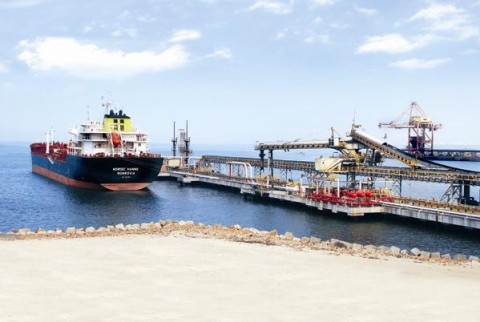
The Strait of Hormuz is the world’s most critical oil transit chokepoint, linking major Gulf producers including Saudi Arabia, Iran, Iraq, and the United Arab Emirates (UAE), and Oman with China, India, and other countries.
Oil, gas, and other shipments from the Middle East via the Strait of Hormuz have come to a halt since March 1 after shipowners received a warning from Iran saying the area was closed for navigation.
In response to the growing uncertainty, Barclays Investment Bank, through its market analyst and forecaster, raised its forecast for Brent crude to $100 per barrel, citing heightened risks to global supply chains and the vulnerability of energy transport routes in the Gulf region.
The surge in prices comes as eight members of OPEC+, including Saudi Arabia, Russia, Iraq, United Arab Emirates, Kuwait, Kazakhstan, Algeria, and Oman, agreed during a virtual meeting on March 1 to begin gradually unwinding their voluntary production cuts starting in April 2026.
The group plans to increase output by 206,000 barrels per day (bbl/d) as the first step in restoring 1.65 million barrels per day (mmbbl/d) of additional voluntary cuts originally implemented in April 2023. The alliance said the phased production increase is intended to balance market stability with evolving global demand.
Notably, the eight members raised production quotas by about 2.9 mmbbl/d from April through December 2025, roughly 3% of global demand, before pausing increases for January to March 2026 due to seasonal weakness.