No Extension Needed on OPEC Cuts if Prices Continue to Rise: Iran
An extension to the oil production cuts will not be necessary if crude prices continue to rise, Iranian Oil Minister Bijan Zanganeh has said.
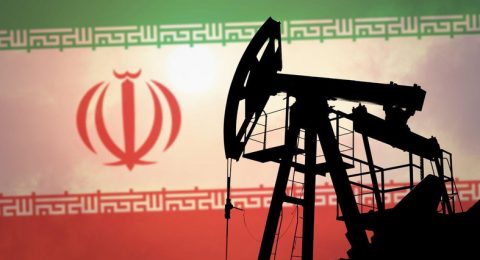
An extension to the oil production cuts will not be necessary if crude prices continue to rise, Iranian Oil Minister Bijan Zanganeh has said.
Kuwait affirms the country’s commitment to the OPEC-led oil production cuts put in place to increase prices.
Saudi Aramco and Gazprom have agreed to increase their cooperation in the gas sector by setting up a joint coordinating committee.
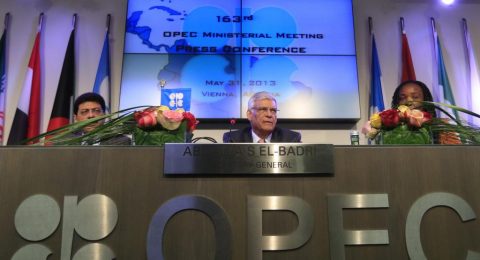
The majority of OPEC and independent oil producing countries support turning the OPEC non-OPEC agreement into a long-term producers’ alliance.
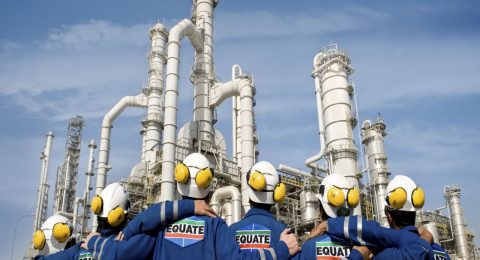
Kuwait Oil Minister Bakhit Al-Rashidi said on April 16 that market conditions would determine whether OPEC's agreement with non-OPEC countries to cut oil production will extend beyond the end of 2018.
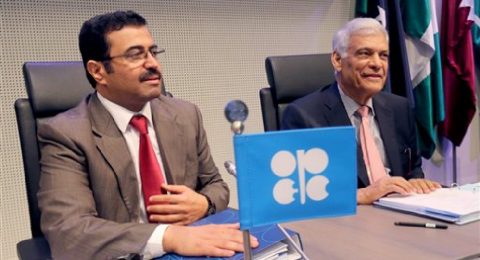
Qater has affirmed the need to maintain current oil supply curbs over the long-term to ensure the market continues to stabilise and guarantee that prices fully recover from the 2014 crash.
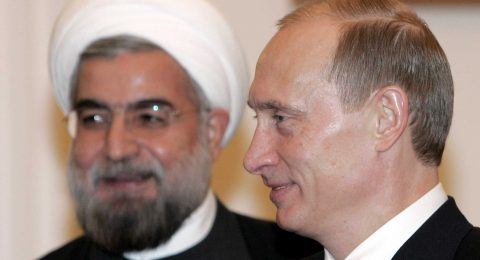
Russian presidential aide Yuri Ushakov announced on April 2 that Russia could invest more than $50 billion in Iranian oil and gas fields.
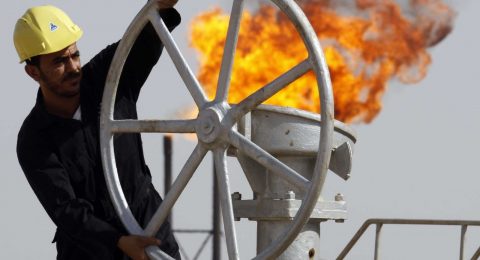
In accordance with the OPEC, non-OPEC agreement, spearheaded by Russia and agreed in early 2017 to cut supply and boost prices, Iraq is currently producing 4.4 million barrels per day (mb/d).

Iraq may have double the current estimated amount of oil reserves, the country’s oil minister Jabar Al-Luaibi said.

A number of oil exporting countries have suggested a six-month extension to the supply cut deal agreed by OPEC and non-OPEC nations.