OPEC Oil Output Hikes in January
The Organization of the Petroleum Exporting Countries (OPEC)'s oil production increased in January 2018, following an eight-month low, due to higher output from Saudi Arabia and Nigeria.

The Organization of the Petroleum Exporting Countries (OPEC)'s oil production increased in January 2018, following an eight-month low, due to higher output from Saudi Arabia and Nigeria.
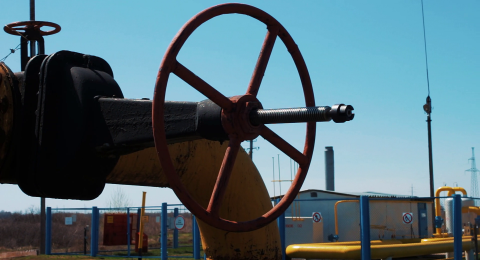
Russia will withdraw from the production cut agreement with the Organization of the Petroleum Exporting Countries (OPEC) if oil prices remain at $70 per barrel for six months.
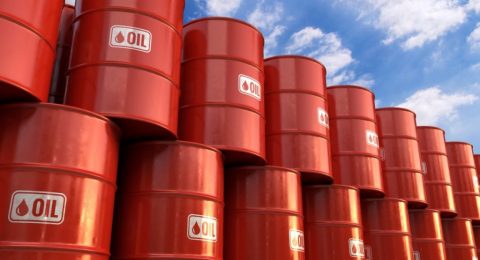
Iraq’s oil output capacity is coming close to 5 million b/d. Yet, the OPEC member will comply with the global supply cut pact.
OPEC oil production fell by 300,000 barrels per day (b/d) in November.

OPEC and its oil-producing allies will announce in June their plans for exiting the production-cut agreement.
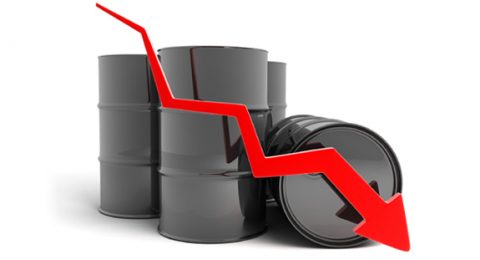
Oil production of the Organization of the Petroleum Exporting Countries (OPEC) dropped in November 2017, by 300,000 barrels per day (b/d) to reach its lowest output since May 2017.
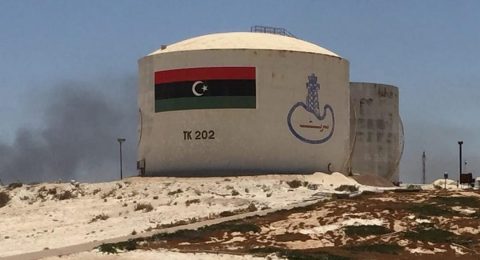
Libya and Nigeria’s exemptions from the production-cut agreement could be questioned at tomorrow’s meeting between OPEC and some non-OPEC oil producers.
OPEC and its oil-producing allies are considering a modification of the proposed nine-month extension of the production-cut agreement.
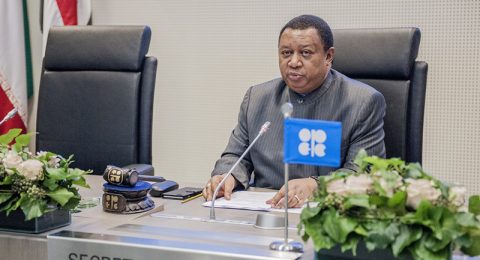
OECD commercial oil inventories fell to 140 million barrels over their five-year average in October.
Russia and Saudi Arabia have agreed to a basic framework for extending the production-cut agreement.