News / International

Chevron, Shell Near First Major Oil Deals in Venezuela After Maduro Capture

International oil majors, Chevron and Shell, are nearing agreements to expand oil and gas production in Venezuela, marking the first major deals since the US capture of President Nicolás Maduro in January, five sources familiar with the negotiations said to Reuters.
The potential agreements are part of a broader plan backed by US President Donald Trump to rebuild Venezuela’s oil sector through an estimated $100 billion investment effort after years of underinvestment and mismanagement under Maduro and his predecessor, Hugo Chávez.


Aramco Cuts Output Amid Strait of Hormuz Crisis

Saudi Arabia’s Aramco has begun reducing production at two of its oilfields, sources said Monday, as disruptions in the Strait of Hormuz escalate due to the US -Israeli conflict with Iran. The company did not specify which fields or the scale of the cuts.

G7, IEA Urge Coordinated Release of Oil Reserves Amid Rising Prices

The International Energy Agency (IEA) has urged countries to coordinate a release of emergency oil reserves during an online meeting with finance ministers from the Group of Seven (G7), according to Japan’s Finance Minister Satsuki Katayama.

Katayama said the agency had called on member countries to undertake a coordinated drawdown of oil stockpiles in response to current market conditions. She added that G7 countries agreed to continue closely monitoring developments in global energy markets and to take necessary steps to support global supply, including the possible release of strategic reserves.

Bapco Energies Declares Force Majeure After Attack on Refinery Complex

Bapco Energies, a Bahraini energy firm, declared force majeure on its group operations following a recent attack on its refinery complex, the company said in a statement, reported by Reuters. The company said it had activated contingency measures to manage the situation after the incident affected its facilities. Despite the disruption, the company said domestic market requirements remain fully secured and that supplies will continue without interruption, supported by contingency plans already in place.

Iraq’s Southern Oil Output Drops 70% as Hormuz Disruption Halts Exports

Iraq’s oil production from its main southern fields has dropped by around 70% to about 1.3 million barrels per day (mmbbl/d) as the country struggles to export crude through the Strait of Hormuz amid the ongoing Iran war, three industry sources told Reuters.

Kuwait declares force majeure as Strait of Hormuz disruptions persist

Kuwait Petroleum Corporation (KPC) has begun cutting crude oil production and declared force majeure amid ongoing disruptions to energy shipments through the Strait of Hormuz as the conflict between US and Iran enters its eighth day.

QatarEnergy Markets LNG Tankers for Charter Amid Ongoing Production Shutdown

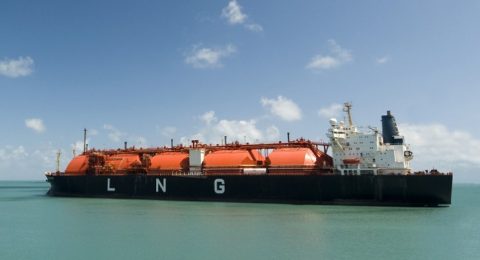
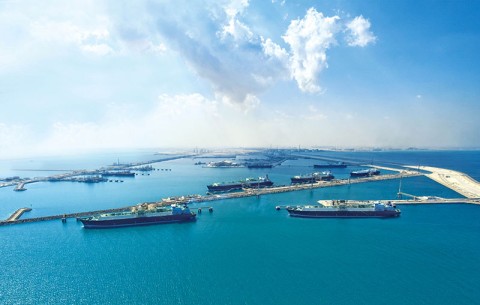
QatarEnergy is offering ten liquefied natural gas (LNG) tankers for lease that are currently positioned outside the Strait of Hormuz, according to industry sources, as the company deals with a production halt at its 77 million tons per year (mmt/y) facility after the escalation of the U.S.–Israel war with Iran disrupted shipping through the Strait of Hormuz.

Putin Warns Russia Could Halt Gas Supplies to Europe Amid Iran Crisis

President Vladimir Putin warned that Russia may halt gas supplies to Europe as energy prices surge following the escalating crisis involving Iran. Speaking on March 4, Putin said the possibility was being considered as the European Union moves toward banning purchases of Russian pipeline gas by 2027 and restricting new short-term contracts for Russian liquefied natural gas (LNG) from April 2026.

QatarEnergy Declares Force Majeure After Halting LNG Production

QatarEnergy has declared force majeure to several buyers after announcing a halt in the production of liquefied natural gas (LNG) and related products, according to a press release by the company.

Force majeure is a legal clause that allows a company to temporarily suspend or cancel its contractual obligations when extraordinary events beyond its control prevent it from fulfilling them. Such events can include wars, natural disasters, government actions, or major supply disruptions. In these situations, the company is not held liable for failing to deliver under the contract.

Page 2 of 1134

Login

Welcome! Login in to your account

Remember me Lost your password?

Lost Password