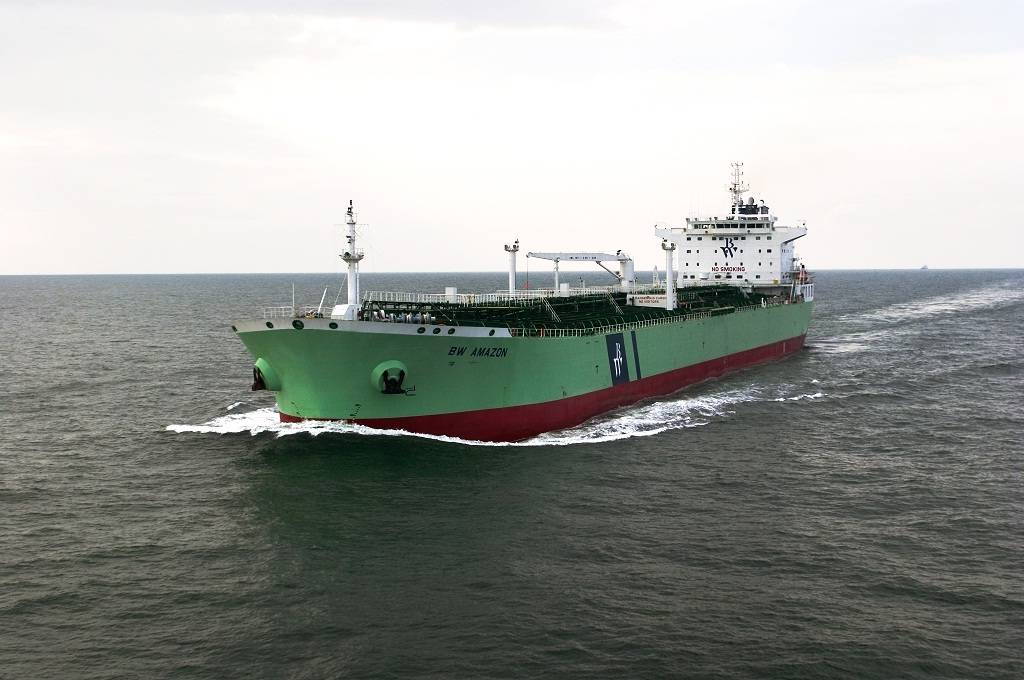
Global oil and gas transport costs have surged sharply, with supertanker rates in the Middle East climbing to unprecedented levels amid escalating hostilities between the United States and Iran, according to Reuters.
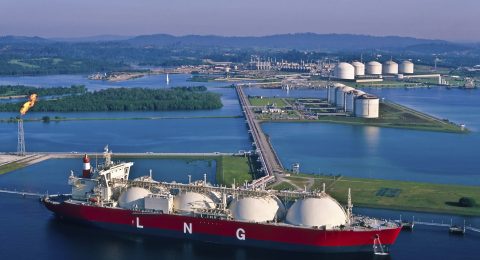
Shipping data showed that freight charges for very large crude carriers (VLCCs), vessels capable of carrying up to 2 million barrels (mmbl) of oil, spiked dramatically as security concerns mounted around the Strait of Hormuz. The waterway, located between Iran and Oman, transports roughly 20% of the world’s oil supply, along with substantial volumes of liquefied natural gas.
Maritime traffic through the strategic chokepoint has slowed significantly following reports of vessels being struck in what Tehran described as retaliation for recent US and Israeli military actions. Industry sources indicated that many shipowners are either delaying voyages or demanding steep risk premiums to operate in the area.
The benchmark TD3 freight rate (a standardized industry metric used to calculate the cost of transporting 270,000 tons of crude oil on a Very Large Crude Carrier (VLCC) from the Middle East Gulf to Ningbo, China) climbed to a historic high of Worldscale 419 on March 2. This is equivalent to approximately $423,736 per day, according to LSEG shipping data. The rate has more than doubled since February 27, extending the gains from last week when prices had already surged to a six-year high.
Energy markets reacted swiftly to the disruption. Brent crude futures have risen nearly 10% this week. At the same time, European natural gas prices have also advanced amid concerns that prolonged instability could lead to further supply interruptions and regional production shutdowns.
An Iranian Revolutionary Guards official was cited by local media as saying the Strait of Hormuz had been closed and warning that any vessel attempting to pass would be targeted. However, the US military’s Central Command later stated that the waterway remains open, contradicting Tehran’s claims.
Market participants continue to monitor developments closely, warning that any sustained disruption to Hormuz, one of the world’s most critical energy corridors, could have far-reaching consequences for global energy supply and freight markets.