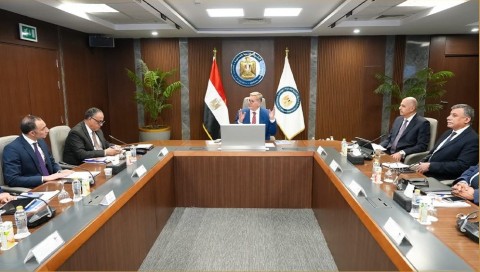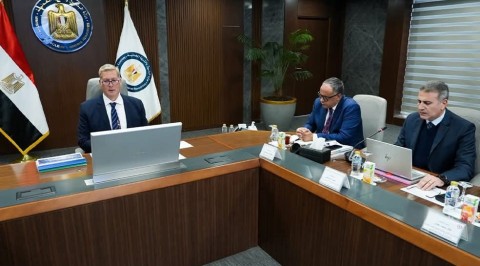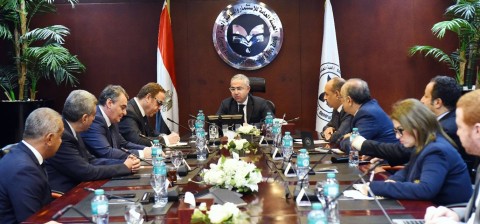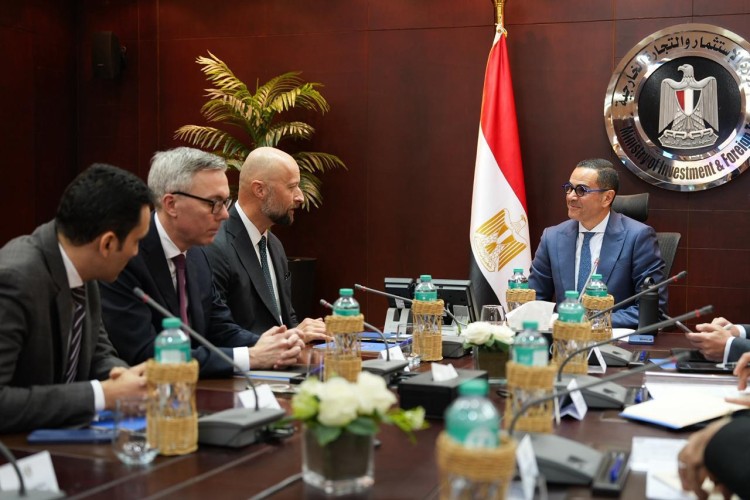
Expanding investments of Norway’s renewable energy giant Scatec in Egypt was thoroughly discussed during a meeting between Hassan El Khatib, Investment and Foreign Trade Minister, Norwegian Ambassador to Cairo Erik Husem, Scatec CEO Terje Pilskog, and European Investment Bank (EIB) Vice President, Gelsomina Vigliotti.
The meeting also reviewed Scatec’s plans to diversify its investments in solar energy, renewable-powered desalination projects, and green data centres in Egypt. Mohamed El Gawsaky, the newly appointed CEO of the General Authority for Investment and Free Zones (GAFI), also attended the meeting.
El Khatib emphasized the government’s focus on sustainable projects, positioning renewables as a key growth driver given Egypt’s rich natural resources and well-developed infrastructure. He noted that the ministry supports global investors like Scatec by streamlining land allocation, procedures, and regulations to ensure long-term project viability and digital transformation goals, including reduced carbon emissions.
Scatec CEO Pilskog noted that Egypt represents a strategic market for the company’s investments in the Middle East and Africa, given the clarity of the government’s vision and the promising opportunities in renewable energy and green solutions.
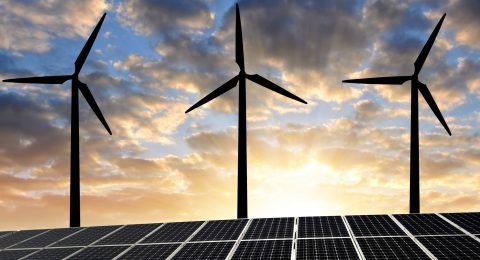
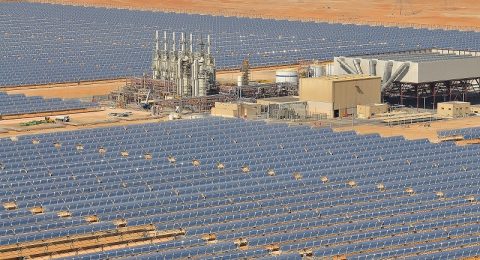
Scatec, a leading Norwegian renewables developer, operates six solar plants in Egypt’s Benban Solar Park with a total capacity of 400 megawatts direct current(MWdc), a standard measure of solar photovoltaic capacity, as well as advancing the 1.1 GW Obelisk hybrid solar-plus-storage project in Nagaa Hammadi, backed by $479 million of investments from institutions including the EBRD and AfDB.
Scatec recently signed a power purchase agreement (PPA) with the Egyptian Electricity Transmission Company (EETC) to develop a solar power plant with a total capacity of 1.95 gigawatts (GW) and a Battery Energy Storage System (BESS) to store the generated power with a capacity of 3.9 gigawatt-hours (GWh). These efforts support Egypt’s target of 42% renewables in its electricity mix by 2030.