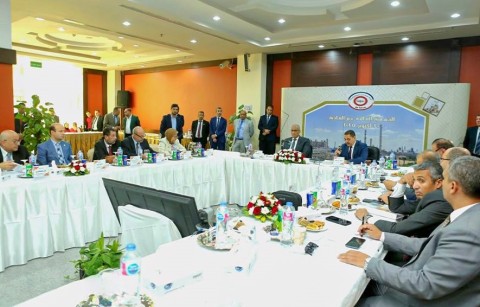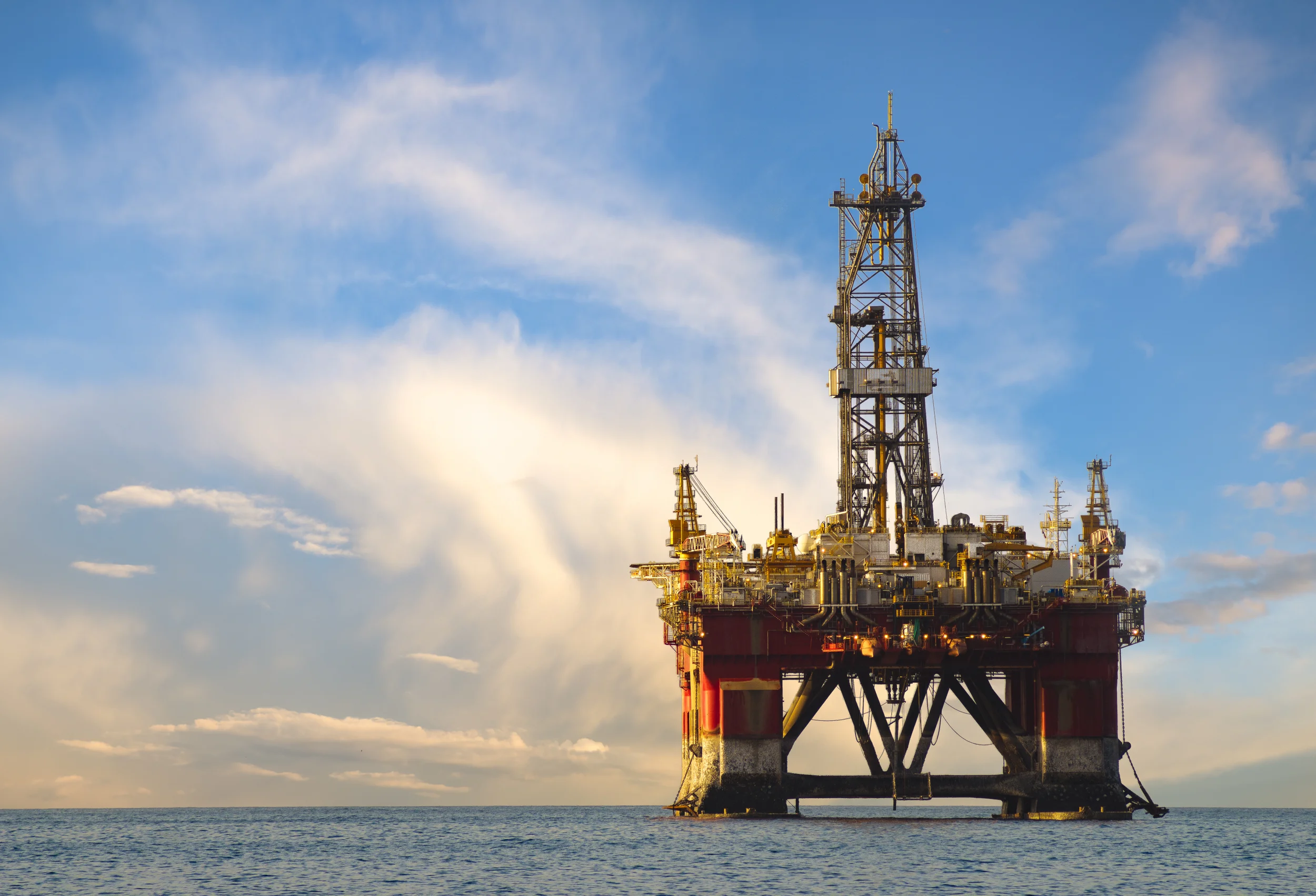
The Pharaonic Petroleum Company (PhPC) recorded an average output of 76,100 barrels of oil equivalent per day (boe/d), exceeding its approved production plan by 119% for fiscal year (FY) 2024/2025, said chairman Hossam Zaki in the company’s general assembly meeting to review its key performance results.
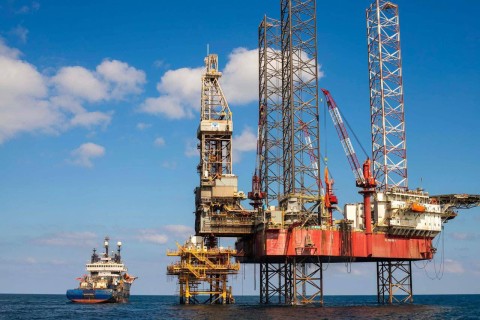
Zaki stated that the company increased production from the Atoll gas field offshore East Nile Delta region through maintenance and cleaning operations, which raised the operational efficiency of its production facilities to 99%. He added that the overall production cost per barrel of oil equivalent dropped by 25% below the planned level, and condensates by 29%.
PhPC plans to resume the drilling of the Taurt-6 well, and drill the Osiris-3 development well offshore the Nile Delta region, and bring both onto the production map.The company expects a major production boost from these wells, estimated at around 100 million cubic feet per day (mmcf/d) of gas and 3,900 barrels per day (bbl/d) of condensates, to be pumped into the national grid, he noted.
During the meeting, Karim Badawi, the Minister of Petroleum and Mineral Resources praised the company’s efforts in energy efficiency, highlighting its recognition as one of the top five companies in the field of occupational safety and health, alongside PetroBakr, Rashid Petroleum (Rashpetco), Petrobel, and PetroSafe.
. He also emphasized the need to accelerate ongoing projects, particularly the promising Osiris and Atoll gas fields, and integrate their production into the national grid.
On his end, Chairman Zaki has previously revealed some of PhPC’s financial results until March. The company had completed 3D seismic data processing using the Ocean Bottom Node (OBN) technology, an advanced seismic data acquisition method, over 250 square kilometers, identifying potential reserves of up to 1.5 trillion cubic feet (tcf) of natural gas in the Oligocene formations (O85 and O83).
The company also reduced gas flaring by recovering 200 million cubic feet (mmcf) of natural gas annually, leading to cutting carbon emissions by 19,000 tons per year (tpa). Furthermore, it installed solar panels at its headquarters, generating 65 megawatt-hours annually, reducing diesel consumption by 6,000 liters per year, and cutting carbon emissions by 40 tons annually.