Egypt has been implementing a package of proactive measures designed to secure domestic natural gas and petroleum product supplies, according to a statement by the Ministry of Petroleum and Mineral Resources(MoPMR) released after the Israeli strikes on Iran.
This comes as part of an integrated Cabinet-led effort, in coordination with relevant ministries and state institutions, to enhance readiness for emerging developments as energy security remains a fundamental pillar of Egypt’s national security, according to the statement.
The Ministry is closely monitoring current developments resulting from recent military strikes and the subsequent repercussions, including the suspension of piped gas supplies from the Eastern Mediterranean. The Ministry reassured citizens of the diversity of gas supply sources and the availability of ready alternative capacities.
Following joint US and Israeli military strikes on Iran on February 28, the Israeli Energy Ministry has ordered a temporary shutdown of several natural gas reservoirs, including the Chevron-operated Leviathan gas field, which is a main source of gas exported to Egypt.
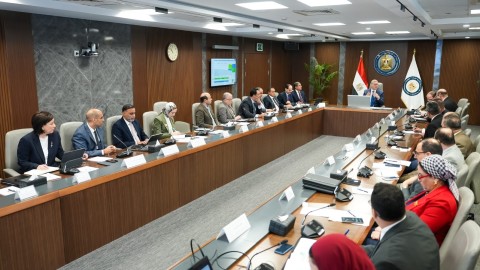
In light of this, Mostafa Madbouly, Prime Minister, held a meeting with Karim Badawi, Minister of Petroleum and Mineral Resources; Mahmoud Esmat, Minister of Electricity and Renewable Energy; and Ahmed Kouchouk, Minister of Finance, to follow up on the energy sector’s preparedness in light of the military escalation in the region.
Through proactive measures taken throughout 2025, the Ministry worked to secure additional capacities and quantities of Liquefied Natural Gas (LNG) for extended periods to meet the needs of the electricity sector, industry, and citizens. This was achieved by diversifying supply sources alongside domestic production, contracting LNG shipments from various origins, and entering into long-term agreements and supply contracts with international companies. Furthermore, an integrated infrastructure was established and equipped to receive LNG imports, including the procurement and operation of regasification ships (FSRUs), serving as a primary pillar for national energy security.
These efforts run in parallel with continued support for increasing domestic production by ensuring the regular payment of dues to partners, thereby boosting exploration and production activities.
MoPMR emphasized that the above mentioned efforts were developed through continuous coordination and integrated efforts with the Ministry of Electricity and Renewable Energy to ensure full readiness, operational manoeuvrability, and rapid response to any variables. This strategy aims to secure the necessary gas supplies for the electricity sector in the required quantities.
Regarding petroleum products, MoPMR explained that it has worked to increase available quantities and build up safe strategic stocks and reserves of gasoline, diesel, butane, and other products. The ministry increased refined product output at Egyptian refineries to boost domestic production and implemented periodic maintenance programs to ensure operations run at maximum efficiency. Furthermore, the sector has optimized its extensive infrastructure, including a geographically distributed network of warehouses and storage tanks, and established strategic reserves of imported products. These measures are designed to bolster domestic market stability and ensure a continuous, reliable supply to meet any emergency requirements.

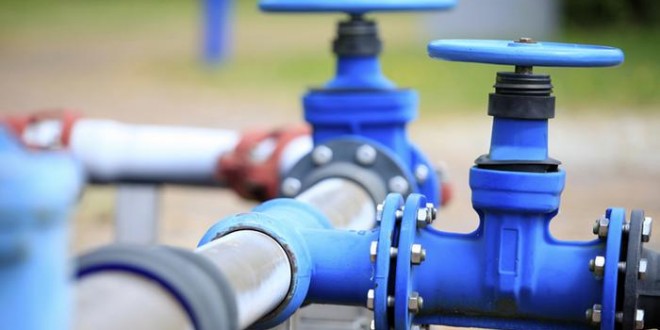
A few hours before the release of the statement, Badawi visited the National Gas Grid (NATA) at the headquarters of the Egyptian Natural Gas Company (GASCO), where he highlighted that recent efforts to diversify gas supplies and upgrade infrastructure have significantly boosted system efficiency. These strategic measures, including expanded receiving capacities and emergency safeguards, now ensure a more reliable and sustainable supply to the local market.
The regional hostilities have also prompted major oil companies and trading houses to suspend crude and fuel shipments through the Strait of Hormuz, through which 20% of global oil trade passes. In response to the heightened risk, Barclays hiked its Brent crude forecast from $80 to $100 per barrel, citing significant supply chain vulnerabilities, according to the Middle East News Agency (MENA).