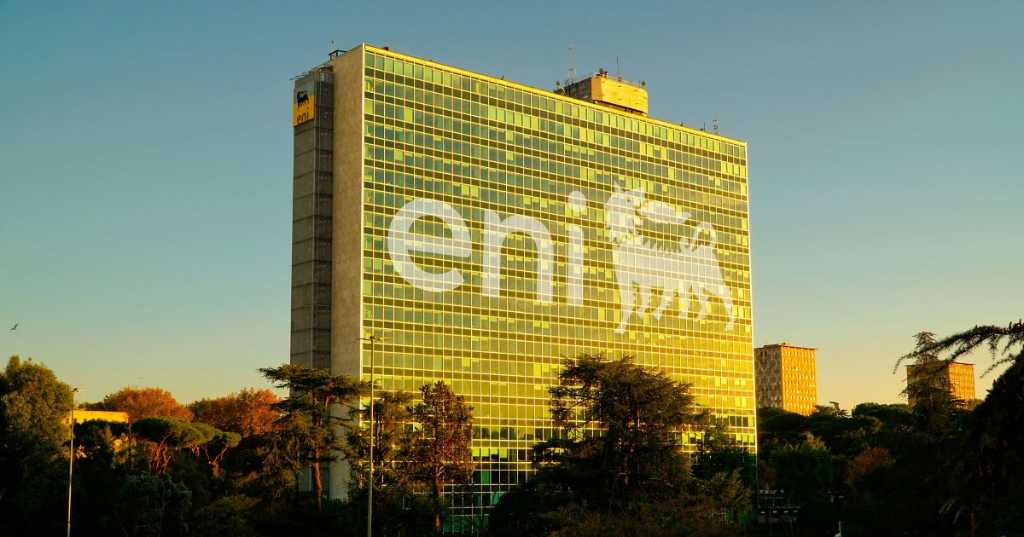
Eni signed an agreement with Global Infrastructure Partners (GIP), a leading global infrastructure investor and a part of BlackRock, for selling a share of 49.99% in Eni CCUS Holding, a leading global player in the CCUS sector (Carbon Capture, Utilization and Storage).
Eni created Eni CCUS Holding to fully leverage the industrial opportunities and increase the value of its carbon capture, utilization, and storage (CCUS) projects.
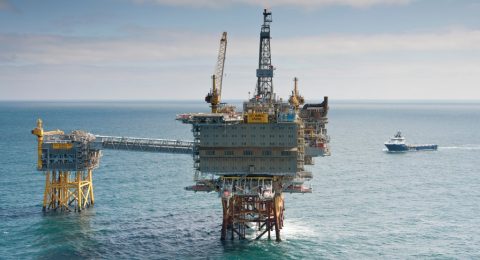
Through its subsidiaries, Eni CCUS, is involved in the Liverpool Bay and Bacton projects in the UK as well as the L10-CCS project in the Netherlands.
In addition, the company holds the option to acquire Eni’s 50% stake in the Ravenna CCS project in Italy and has the opportunity to integrate other potential projects into a wider CCUS platform over the medium to long term
“The decision to consolidate our CCUS global portfolio into a dedicated entity, and the entry of GIP as a strategic partner, will further enhance our ability to deliver large-scale, technically advanced decarbonization solutions. The development of our satellite model applied to our businesses related to the energy transition is therefore successfully continuing, confirming their significant attractiveness in terms of growth potential and value creation by attracting aligned capital, as well as their effectiveness in reducing emissions,” Eni’s CEO, Claudio Descalzi, commented.
“We are excited to partner with Eni, a global leader in CCUS,” said Bayo Ogunlesi, GIP’s Chairman and Chief Executive Officer. “GIP’s experience in midstream infrastructure, combined with Eni’s technical, operational and industrial capabilities, will help accelerate the deployment of CCUS solutions at a meaningful scale, furthering our commitment to serve growing market needs for affordable, decarbonized energy and products.”
Closing the transaction is pending legal approvals, Eni said. CCUS plays a crucial role in the energy transition, offering the most reliable and efficient means of decarbonization available today, particularly in helping hard-to-abate industries cut their emissions.