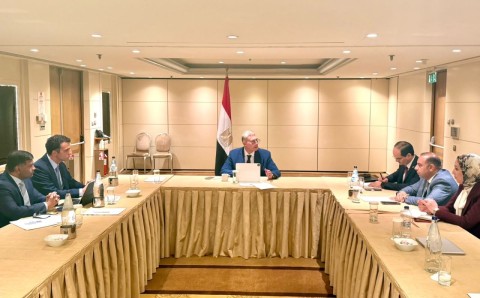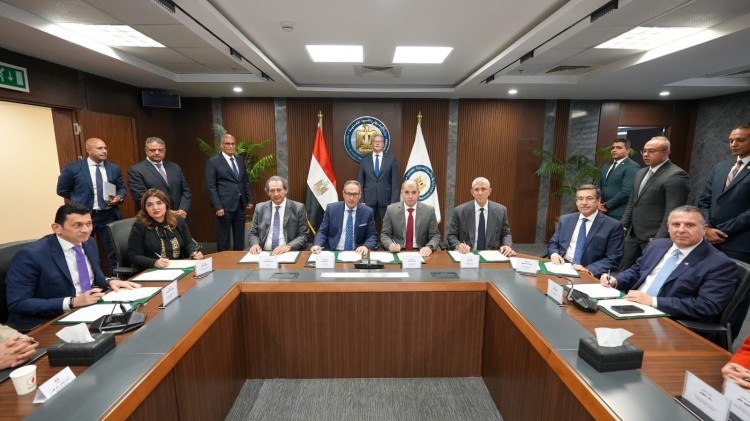
In a step toward expanding Egypt’s green energy portfolio, Minister of Petroleum and Mineral Resources Karim Badawi witnessed the signing of a $135 million long-term financing agreement for the Egyptian Bioethanol Company (EBIOL) project of the Egyptian Petrochemicals Holding Company (ECHEM) to be implemented in Damietta.
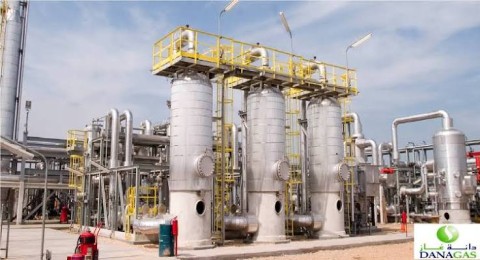
The project is designed to produce 100,000 tons of low-emission, high-value biofuel annually, using sugar beet molasses as the main feedstock. The bioethanol can be blended with gasoline or used in various industries such as textiles, paints, and chemicals. It is expected to generate economic value estimated $100 million annually, while significantly supporting Egypt’s goals for carbon reduction and environmental sustainability.
Signed in Cairo, the agreement brings together a consortium of leading banks, including the National Bank of Egypt (NBE), the Commercial International Bank (CIB), Banque du Caire, Qatar National Bank (QNB), the Arab African International Bank (AAIB), Al Baraka Bank Egypt, and the Housing and Development Bank (HDB).
Minister Badawi described the project as “a valuable addition to Egypt’s green energy initiatives,” noting that it will help reduce carbon emissions, enhance the competitiveness of Egypt’s low-carbon products in global markets, and pave the way for future expansion in the field of sustainable fuels. He praised the banking consortium for its continued support of petroleum and petrochemical projects, highlighting the importance of private sector collaboration in financing Egypt’s energy transition.
The signing ceremony was attended by Ibrahim Mekki, Chairman of ECHEM, and Rasha Ramadan, Vice Chairperson of Financial and Economic Affairs, along with senior representatives of the participating banks. The financing agreement was signed by Mohamed El-Rashidi, Chairman of EBIOL, who emphasized the project’s strategic importance for Egypt’s petrochemical sector.
For his part, Mekki affirmed that the project will localize biofuel production in Egypt and marks a pivotal step toward transforming the country into a regional hub for biofuel manufacturing. He added that the project aligns with ECHEM’s strategic direction to promote green production, sustainable energy, and economic growth.
Most notably, ECHEM contributed with 4 million tons per year in the total local production of petrochemicals during 2024/25. Recently, it engaged with the Ministry of Environment and Ministry of Civil Aviation for production of sustainable aviation fuel (SAF) as part of the green strategy.